King Charles III Knights Idris Elba, Ice Dancing Icons at Windsor Castle

King Charles III Knights Idris Elba, Ice Dancing Icons at Windsor Castle
Actor Idris Elba was knighted by King Charles III at Windsor Castle on June 2, 2026, receiving the title of Knight Bachelor in recognition of his contributions to drama and charitable work. The ceremony also saw the elevation of Olympic ice dancing champions Jayne Torvill and Christopher Dean, who received Dame Commander and Knight Bachelor honors respectively for their services to ice skating and voluntary service.
The investiture ceremony continued the tradition of recognizing excellence across entertainment, sport, and public service through the honors system. BBC News reported that Elba was accompanied by his wife Sabrina Dhowre Elba to the ceremony at the royal residence.
Recognition Patterns in the 2026 New Year's List
The knighthoods form part of a broader pattern visible in King Charles III's New Year's honors list, which recognized achievement across age groups and disciplines. AP News reported that the list included both Elba and Cynthia Erivo, marking significant recognition for actors who have achieved international prominence while maintaining strong ties to British cultural institutions.
The honors list notably spanned generations, including a 102-year-old judo instructor among its recipients. This breadth reflects the palace's effort under Charles III to balance traditional recognition of establishment figures with acknowledgment of contemporary cultural influence and grassroots community service.
Strategic Timing of Entertainment Industry Recognition
Elba's knighthood arrives at a moment when the British entertainment industry faces questions about its global competitiveness and cultural soft power projection. The actor's career trajectory—from British television through Hollywood blockbusters to his current status as a producer and director—represents the kind of transnational success story the monarchy increasingly seeks to associate with British cultural achievement.
The recognition also comes as streaming platforms have altered the landscape for British talent, creating new pathways to international recognition outside traditional theatrical and television structures. Elba's work spans traditional drama, action franchises, and digital-first projects, positioning him as a bridge figure between entertainment industry eras.
Torvill and Dean's Legacy Institutionalization
The simultaneous recognition of Jayne Torvill and Christopher Dean serves a different strategic function within the honors framework. Their elevation to Dame Commander and Knight Bachelor respectively formalizes their transition from competitive athletes to cultural ambassadors, reflecting their decades of voluntary service since their 1984 Olympic triumph.
Ice dancing occupies a unique position in British sport—internationally successful but domestically niche, requiring sustained institutional support to maintain competitive programs. The honors recognize not just past achievement but ongoing coaching and development work that has produced subsequent generations of British competitors.
The timing connects to broader questions about Olympic sport funding and the role of retired champions in maintaining competitive infrastructure. Torvill and Dean's voluntary service model offers a template for leveraging past success into systemic development work, particularly relevant as Britain prepares for future Olympic cycles.
Constitutional Mechanics and Palace Messaging
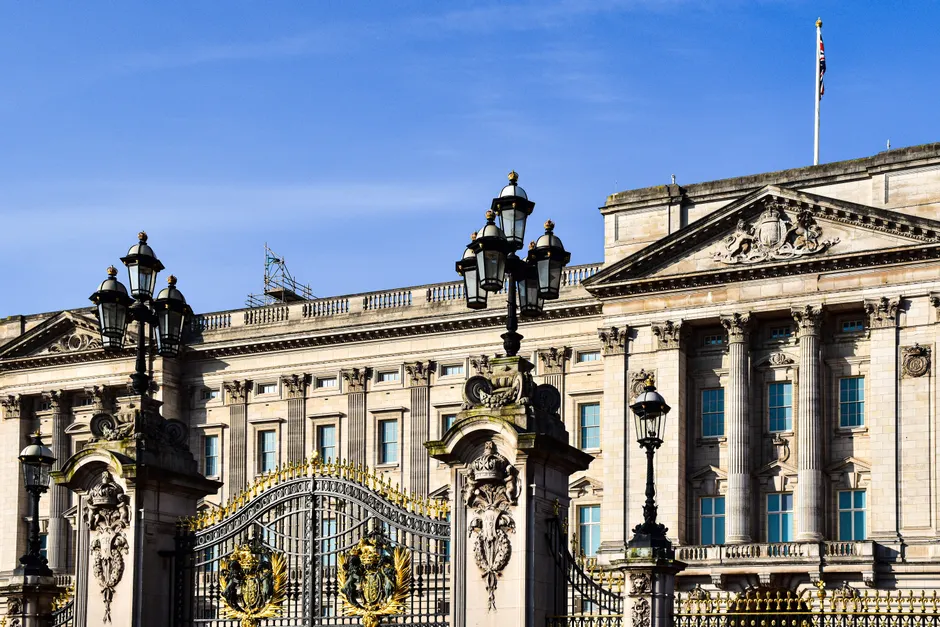
The investiture ceremony at Windsor Castle rather than Buckingham Palace signals the more intimate scale Charles III has adopted for certain honors presentations. This venue choice reflects both practical considerations around the ongoing Buckingham Palace renovations and a deliberate preference for the more personal setting Windsor provides.
The inclusion of spouses at the ceremony—notably Sabrina Dhowre Elba's presence—indicates the palace's recognition of the family dimension of public service recognition. This approach acknowledges that modern public figures' charitable and cultural work often involves spousal partnership, particularly in international contexts where both personal and professional relationships contribute to diplomatic and cultural outcomes.
Looking at the broader constitutional context, these honors demonstrate Charles III's approach to balancing inherited traditions with contemporary relevance. The entertainment industry recognition serves multiple functions: acknowledging cultural achievement, projecting British soft power, and maintaining the honors system's credibility with younger demographics who may view traditional establishment recognition with skepticism.
Historical Pattern Recognition
We have seen this pattern before, when previous monarchs used honors to navigate changing cultural landscapes. Elizabeth II's knighthood of Paul McCartney in 1997 faced similar questions about the intersection of popular culture and traditional recognition. The key difference lies in today's globalized entertainment industry, where British talent increasingly builds careers across multiple markets and platforms rather than within primarily domestic structures.
The entertainment honors also reflect institutional learning from past controversies around celebrity recognition. The palace appears to have developed more systematic criteria for assessing cultural contribution beyond pure commercial success, emphasizing charitable work and cultural diplomacy alongside artistic achievement.
Implications for Future Recognition Frameworks
These ceremonies establish precedents for how the monarchy will navigate recognition in an era of platform-driven fame and global cultural production. The balance between entertainment figures and community service recipients suggests a deliberate effort to maintain the honors system's credibility across different constituencies and age groups.
The international dimension of Elba's career—spanning British, American, and African projects—positions his knighthood as part of Britain's broader effort to maintain cultural relevance in a multipolar entertainment landscape. This approach may influence future recognition patterns as the palace seeks to balance domestic achievement with international cultural projection.
The timing and composition of these honors will likely be studied by other constitutional monarchies grappling with similar questions about modernizing recognition systems while preserving institutional authority and tradition.