OpenAI's Ring-Shaped Smart Speaker Reported at $300–$400, Launching 2027
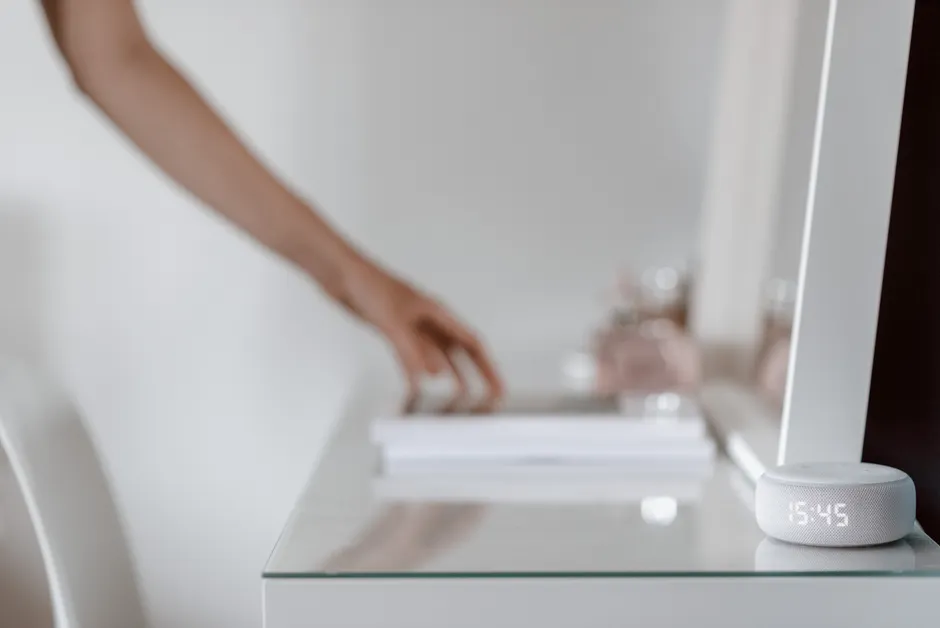
OpenAI's planned smart speaker will retail for $300 to $400 when it launches in 2027, according to reporting by Bloomberg's Mark Gurman on August 6, 2026 (Engadget). The figure marks an upward revision from earlier reporting: in February 2026, The Information cited two people with knowledge of the matter saying the device would be priced between $200 and $300 (The Information).
The device is described as ring-shaped, roughly the size of a hockey puck, with a battery-powered portable design intended for users to carry around. It includes a camera system and sensors for environmental monitoring, facial recognition capabilities, and components that can move on their own to create a more lifelike, engaging interaction. It has no screen (Engadget; The Decoder; CNET).
The speaker is also reported to offer proactive AI suggestions, such as advising users when to go to bed, pointing toward an ambient, always-on assistant paradigm rather than a voice-commanded query-response model (The Decoder).
The smart speaker is one of several device form factors under consideration at OpenAI, a list that also includes smart glasses (The Information). The hardware effort gained momentum with OpenAI's $6.5 billion acquisition of io, the startup helmed by former Apple design chief Jony Ive, which catalyzed the company's pivot into consumer hardware (Engadget).
OpenAI has been preparing the underlying audio AI models for the device. The Information reported in January 2026 that the company was taking steps to improve its audio AI models ahead of the eventual release of an AI-powered personal device (The Information). A subsequent report noted that OpenAI had developed a bidirectional audio model intended to boost voice assistant capabilities, contextualized against the company having passed $25 billion in annualized revenue, up 17% from the $21.4 billion it was generating at the end of the prior year (The Information).
The pricing revision and feature set land against a modest but instructive hardware track record. OpenAI's first consumer hardware device, the Micro Codex keyboard, debuted at $230 and sold out within 12 hours. Resale prices on eBay have since reached approximately $1,850 (Fortune).
Several details warrant attention for what they signal about OpenAI's hardware strategy. The price band, even at the revised $300–$400 range, sits above mainstream smart speakers from Amazon and Google, which typically retail well under $200. That positioning suggests OpenAI is not chasing the commodity voice-assistant market but is instead targeting a premium tier where the device's ambient intelligence and interactive design justify the cost. The hockey-puck form factor with self-moving components is a deliberate bet that physical expressiveness, not just audio quality or conversational ability, differentiates an AI-native device from existing smart-home hardware.
The camera and facial recognition system raises immediate privacy questions that OpenAI will need to address before launch. A portable device that moves through a home, recognizes faces, and proactively offers lifestyle suggestions is collecting data at a scope and intimacy that exceeds what a stationary smart speaker captures. How OpenAI handles on-device processing, data retention, and user consent for that data will likely shape reception as much as the industrial design.
The earlier pricing report from The Information, authored by Stephanie Palazzolo and Qianer Liu, framed the $200–$300 band as part of an effort to make the device accessible while the AI device team was still taking shape (The Information). The upward shift to $300–$400, reported roughly six months later by Bloomberg and surfaced via Engadget, could reflect component costs, added sensor systems, or a strategic decision to position the product at a higher tier. The reporting does not specify which.
The 2027 launch timeline gives OpenAI a runway to refine both the hardware and the audio AI models that will power it. It also places the device's arrival well into a competitive landscape where Meta's AI glasses and other ambient AI hardware will have had time to establish market positions. For a company whose revenue is overwhelmingly software- and API-driven, a consumer hardware launch at this price point is a test of whether OpenAI's brand equity in AI can extend into physical products at premium margins.


