OpenAI's First Hardware Device Takes Shape: A $300–$400 Smart Speaker Designed by Jony Ive's LoveFrom

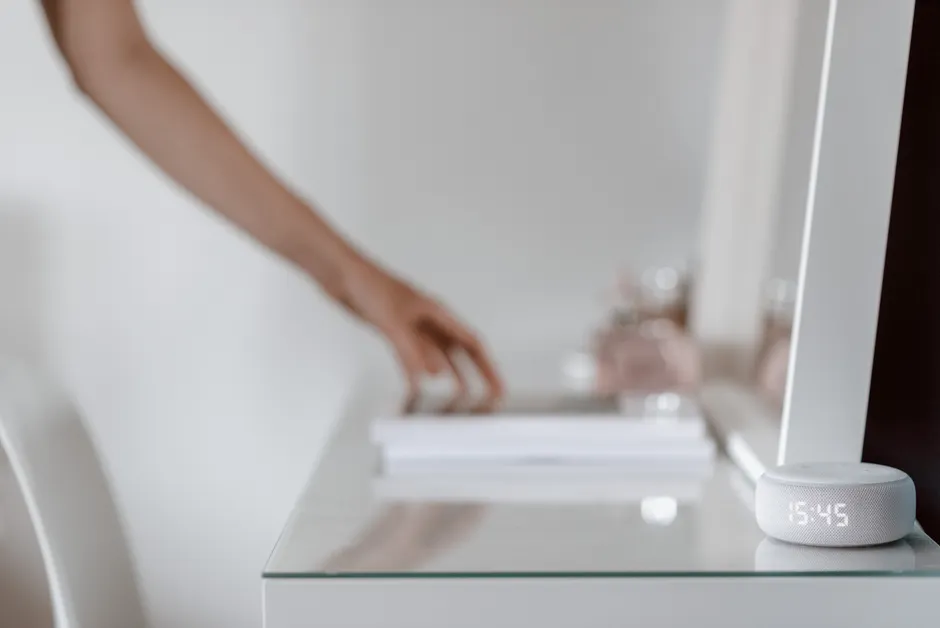
OpenAI's first consumer hardware device will be a donut-shaped smart speaker priced between $300 and $400, Bloomberg reported on August 6, 2026. The device is designed to be carried around the home and placed on surfaces like a bedside table or kitchen counter. It will be constructed from "high-quality metal," have a "premium look," and feature distinct "moving parts."
The speaker is being developed in partnership with LoveFrom, the design studio founded by former Apple chief design officer Jony Ive. Bloomberg's Mark Gurman authored the report, which builds on his earlier July 14, 2026 article describing the device as a "movable, screenless speaker built as AI companion." The new details clarify the form factor, materials, and price point that earlier reporting had only approximated.
Bloomberg reports the device will likely ship at some point in 2027. That timeline is consistent with earlier coverage: Forbes placed the release in 2027 on July 14, and Fast Company reported on July 15 that the screenless speaker could arrive "commercially as soon as 2027."
The August 6 Bloomberg report supersedes earlier pricing figures. The Information reported in February that OpenAI planned to price the device between $200 and $300, a range echoed by 9to5Google and Mashable. Bloomberg's $300–$400 figure, published six months later, now stands as the most recent and authoritative pricing estimate.
The device's component stack has been described across multiple Bloomberg reports. It includes a camera, speakers, microphones, and lights. Earlier reporting from The Information and 9to5Google had flagged the camera inclusion as early as February. The screenless design differentiates the device from smart displays like Amazon's Echo Show or Google's Nest Hub, positioning it closer to a voice-first, ambient AI companion than a tabletop information terminal.
The camera's presence on a screenless device raises questions about its function. Mashable previously suggested the camera could support facial recognition, pricing that camera-equipped version between $200 and $300. Whether the camera in the final Bloomberg-described device serves the same purpose remains unconfirmed.
OpenAI has been building the technical foundation for a voice-first device across several months. The company announced GPT-Live on July 8, 2026, describing it as a new generation of voice models designed to make conversation with AI feel more natural. The Information reported in January that OpenAI had unified teams to enhance audio AI models ahead of the device, with a new audio model architecture offering more natural, accurate, and emotive output. In March, The Information further reported that OpenAI was developing a "bidirectional" audio model to boost voice assistant capabilities, an architecture that would support real-time, full-duplex conversation rather than the turn-based interaction model that has defined most voice assistants to date.
The hardware effort is not small. The Information reported in February that OpenAI has a roughly 200-person team working on smart speakers and glasses, according to an interview with AI reporter Stephanie Palazzolo.
OpenAI has also retained two law firms, Cooley and Wachtell Lipton Rosen & Katz, The Information reported in March. Those hires take on added weight given the litigation landscape: Apple sued OpenAI accusing the AI lab of stealing trade secrets, and OpenAI denied wrongdoing, TechCrunch reported. The LoveFrom partnership is relevant here. Jony Ive spent nearly three decades at Apple, where he led the design of the iPhone, iPad, and much of the company's industrial design language. Apple's trade secret lawsuit against OpenAI creates a situation where the design studio founded by Apple's former design chief is collaborating with a company Apple is actively suing.
MacRumors reported the August 6 details on August 6, describing the device as hockey puck-sized and citing Bloomberg's pricing range.
Looking at the competitive landscape, a $300–$400 voice-first AI companion enters a market that Amazon and Google have dominated at lower price points. Echo and Nest audio devices typically retail well below $200. OpenAI's premium positioning, metal construction, and LoveFrom design pedigree suggest the company is not competing on price but on the quality of the conversational AI experience. GPT-Live's promise of natural, real-time conversation, combined with the bidirectional audio model, could make the difference between a device that feels like talking to a speaker and one that feels like talking to someone in the room.
The moving parts Bloomberg references are unspecified. They could be as simple as a tilting camera mechanism or as complex as a morphing form factor. The detail is intriguing precisely because a traditional smart speaker has no moving parts at all.
The 2027 release window gives OpenAI roughly 18 months to finalize hardware, software, and presumably a developer ecosystem. For a company that has never shipped a consumer hardware product, that is a compressed timeline, though not an unprecedented one. The question is whether conversational AI has reached the point where a voice-only, screenless device can deliver an experience compelling enough to justify a premium price in a category where consumers have been conditioned to expect far less.