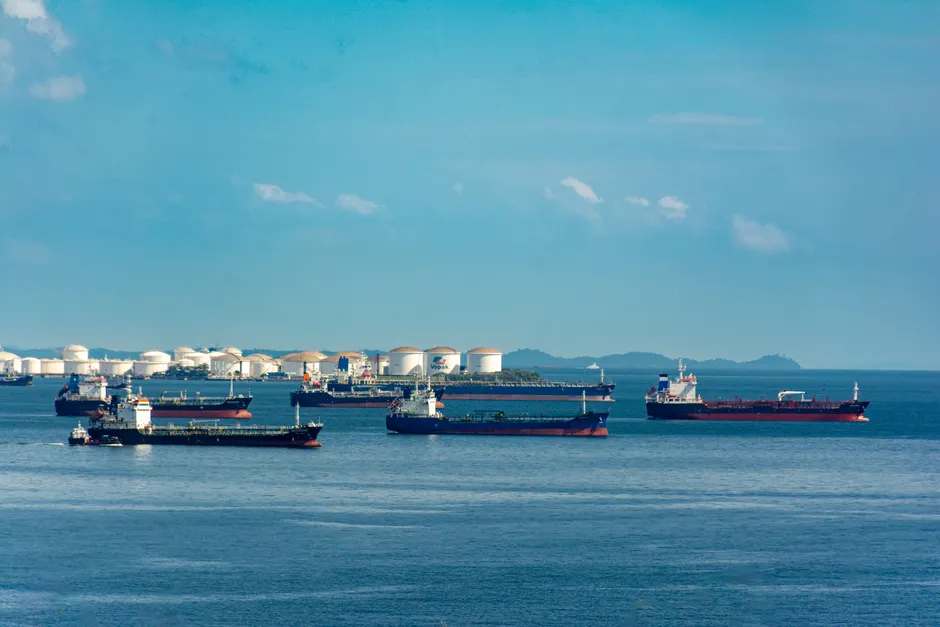
Iran Issues Demands for Hormuz Reopening as US Adds Sanctions Amid Near-Miss Deal

Iran's Islamic Revolutionary Guard Corps declared in early August 2026 that the Strait of Hormuz would not reopen until the United States met a list of Iranian demands, including lifting the US naval blockade on Iranian ports, ending sanctions, releasing frozen assets, and providing compensation France 24. The demand list, published as the two sides' June ceasefire memorandum continues to fray, outlines the full scope of Tehran's conditions for restoring one of the world's most critical energy transit chokepoints.
The terms under discussion by August 2026 centered on ending the US naval blockade on Iranian ports and addressing sanctions reimposed when the truce collapsed CNN. The US president stated on April 22, 2026, that the blockade was costing Iran $500 million a day Iran International. That economic pressure is the backdrop against which Iran's demands for compensation now sit.
Simultaneously, the United States imposed new sanctions on Iran even as officials said a Strait of Hormuz deal was near Iran International. Washington also warned shipping firms over Iran's Strait of Hormuz "toll" payments as the sanctions threat escalated the maritime standoff Institute for the Study of War. The dual track of negotiating while tightening pressure reflects the contradictory incentives driving both parties.
The current standoff has its roots in a sequence of agreements and violations stretching back to May 2026. Iran was working on finalizing a memorandum of understanding with the US focused on ending US naval aggression and securing the release of frozen Iranian assets, according to state media reports from late May IRNA. A US official said on June 12 that a deal was very close and that the Strait of Hormuz was set to open under its terms Reuters. The draft agreement included the release of $25 billion in Iran's frozen assets, including via direct cash transfers, along with an oil sanctions waiver and nuclear limits Reuters.
On June 15, the United States and Iran signed a ceasefire agreement allowing Iran to regain billions in frozen assets, and US officials said Strait of Hormuz traffic would rise significantly Reuters; Reuters. Tehran later published the "Islamabad Memorandum of Understanding," under which the United States undertakes to make fully available for use the frozen or restricted funds and assets of the Islamic Republic of Iran IRNA. Article 11 of the ceasefire memorandum specifies that the US "undertakes to make fully available for use the frozen or restricted funds and assets" of Iran Reuters.
The ceasefire held for less than a week. On June 21, Iran's Armed Forces command center declared the Strait of Hormuz closed again, citing MoU violations IRNA. Iran's top security official said the strait would remain closed until the US changed course IRNA.
The pattern that emerges is one of serial agreement and serial breakdown. The June 15 ceasefire was the high-water mark of a negotiation process that began taking shape in May, produced a detailed MoU covering asset release, sanctions relief, and a naval blockade lift, and then collapsed within days over mutual accusations of noncompliance. The reimposition of sanctions and the renewed closure of Hormuz returned both sides to a position close to where they started, albeit with the Islamabad MoU still technically in existence and its terms, including the Article 11 asset-release provision, still on the table as a reference point for any future negotiations.
Looking at what this means for the trajectory of the conflict, the IRGC's August demand list and the concurrent US sanctions escalation suggest both sides are maneuvering for leverage rather than abandoning diplomacy. Iran's demands, expansive as they are, map closely onto the terms already negotiated in the Islamabad MoU. The new element is compensation, which was not part of the June framework. The US decision to impose fresh sanctions while signaling an imminent deal is harder to read: it may be designed to pressure Tehran into compliance with the existing MoU's terms rather than to scupper negotiations outright. The shipping-firm warnings over Iranian "toll" payments add a commercial dimension that could further complicate any reopening, as international maritime insurers and operators will need clarity on the legal status of transit fees before resuming normal traffic volumes.
What remains unresolved is whether the parties will return to the framework they already built or let it erode further. The Islamabad MoU exists as a negotiated text with specific obligations on both sides. Whether either party has the political will or institutional cohesion to implement it is the open question.