What Happened in the Russian City of Nizhnekamsk, and Why It Matters in the Ukraine War

At least 13 people, including a child, were killed and 39 wounded when Ukrainian drones struck the Russian city of Nizhnekamsk on August 10, 2026. It was the deadliest strike in months on this industrial city, which lies about 800 kilometers east of Moscow.
The death toll rose from 12 to 13, according to Rustam Minnikhanov, the head of the Tatarstan region where Nizhnekamsk is located. He declared a day of mourning and called the attack "barbaric," saying civilian infrastructure was hit. A spokesperson for Russia's Investigative Committee, Svetlana Petrenko, confirmed that a child was among the dead. Russia opened a criminal investigation and called the strike a "terrorist attack" (Al Jazeera).
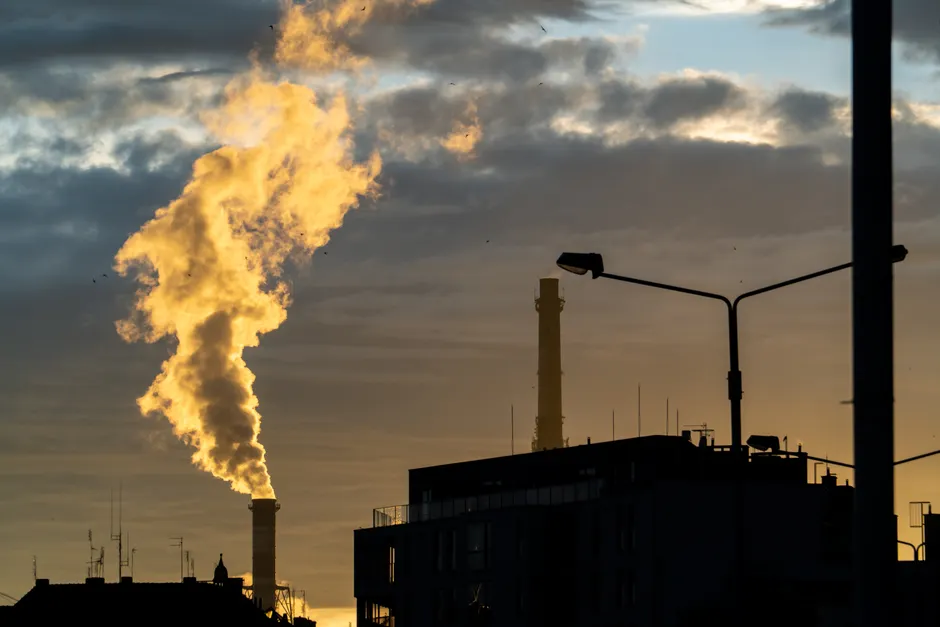
Ukraine's military said it had attacked an oil facility in the area. Nizhnekamsk is home to one of Russia's largest oil refineries. A refinery is a facility that turns crude oil into products like gasoline and diesel, which are essential for running vehicles, machinery, and military equipment. The August 10 strike followed earlier attacks on the same industrial zone in June and July 2026, showing that Ukraine has been repeatedly targeting this site (Al Jazeera).
The overnight assault was much larger than a single-city attack. Russia's defence ministry said it intercepted more than 450 Ukrainian drones overnight, meaning drones were flying toward multiple locations across the country. Ukrainian President Volodymyr Zelenskyy said strikes on Russian oil refineries would continue and that Moscow was "beginning to feel" the consequences (Al Jazeera).
On the same day, at least five people were killed in Ukraine's eastern Kharkiv region. Local authorities said Russian forces carried out a "massive artillery attack" on a residential area in the Chuhuiv district. The fact that both sides launched major attacks on the same day shows how intense the war remains (Al Jazeera; Reuters).
Russia says civilian infrastructure was struck, while Ukraine says it was targeting an oil facility. With 13 dead and 39 wounded, this is among the highest death tolls from any single Ukrainian drone strike on Russian territory since the war began.
The 450-drone figure, if accurate, suggests an operation on a scale not seen before. It also raises the question of how many drones got through Russian defenses to reach Nizhnekamsk. Russia has not said how many drones were shot down over Tatarstan specifically versus other regions.
The broader context here is that both Russia and Ukraine seem to believe that attacking targets far behind the front lines can change the course of the war without needing to win territory on the battlefield. The Nizhnekamsk refinery matters for two reasons: it produces fuel that Russia's military needs, and it generates revenue from oil exports. Damaging it repeatedly puts pressure on both fronts. For Ukraine, this strategy is a way to impose costs on Russia's economy at a time when the front lines are not moving much and neither side has been able to break through.
The central question going forward is whether these long-range strikes will actually shift the war's direction, or whether they will mainly lead to more civilian deaths on both sides without changing where the conflict is headed.