Ukraine Attacked a Russian Oil Refinery Far From the Front Lines. Here's the Story.
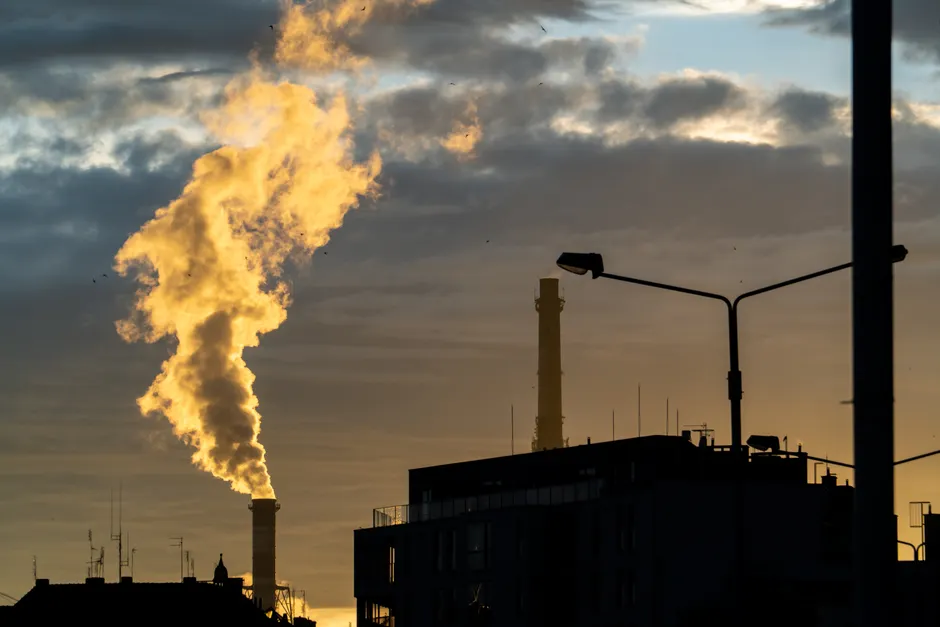
A Ukrainian drone strike on the Russian city of Nizhnekamsk killed at least 13 people, including a child, and wounded dozens more on Monday, according to Russian authorities. The attack targeted the Taneco oil refinery, one of Russia's largest facilities for turning crude oil into usable fuel like gasoline and diesel. The refinery is located about 750 miles (1,200 km) from the Ukrainian border, deep inside Russian territory.
Kyiv confirmed the operation. Ukraine's military said the strike was part of a broader effort to weaken Russia's military power. The Taneco refinery, owned by the company Tatneft, is the center of Nizhnekamsk's industrial zone, which also includes factories making rubber and chemical products. Ukraine had bombed the same area in June, showing a continued push to damage fuel supplies far behind the front lines.
Casualty numbers varied across different news reports in the hours after the strike. Russian authorities in the Tatarstan region said 13 people died and 75 were wounded. Reuters reported 13 killed and 39 wounded, noting that the dead included people from Central Asia and a child. CBC cited 13 killed and 48 wounded. The local mayor, Radmir Belyayev, said that both industrial and civilian areas had been hit.
The head of the Tatarstan region, Rustam Minnikhanov, said a Ukrainian drone struck a hostel, a type of shared housing, in Nizhnekamsk, killing nine people. Minnikhanov declared a day of mourning. Russian prosecutors opened a criminal case calling the attack an act of terrorism.
The victims were not only Russian. The Uzbek consulate said on Telegram that seven of those killed were citizens of Uzbekistan. Many people from Central Asian countries work as laborers in Russia's industrial areas. Their deaths show how this war now affects people from countries that are not directly involved in the fighting.
Russia's defence ministry said it intercepted 456 Ukrainian drones over Russian territory and the annexed Crimean peninsula. It was not clear whether that number covered one night or a longer period. But the figure points to a major increase in drone activity as Ukraine builds more long-range drones and expands the area it can reach.
The Nizhnekamsk strike fits a pattern. Ukraine has repeatedly attacked Russian energy infrastructure deep inside the country, targeting refineries and fuel depots that supply the Russian military. Think of it like targeting the gas stations and fuel trucks an army depends on, not just the soldiers on the battlefield. Tatarstan is in the Volga region, far from the fighting, and has been hit before, including the June strike on the same industrial zone. The fact that Ukraine can hit the same area again suggests its forces have improved their ability to reach distant targets and that Russia's air defenses, the systems meant to stop incoming threats, still have gaps when facing large groups of drones.
The Taneco facility matters as a target because it is one of Russia's most advanced refineries. It processes large amounts of crude oil into products that supply both everyday Russian consumers and military supply chains. Each strike, even if the damage can be repaired over weeks or months, adds to the overall pressure on Russia's fuel supply.
In an address on Sunday, Ukrainian President Volodymyr Zelenskyy said sanctions, which are economic penalties meant to pressure a country into changing its behavior, against Russia would continue. His statement showed that Kyiv sees economic pressure and military strikes on Russian infrastructure as two parts of the same plan.
The broader context here is that Ukraine's campaign of deep strikes has grown from occasional attempts into a regular, organized effort to impose costs on Russia's energy and military systems at distances that make traditional defense difficult. The Central Asian victims in Nizhnekamsk are a reminder that the war's impact now reaches people far beyond Ukrainians and Russians. And the terrorism case opened by Russian prosecutors, while a standard legal step, reinforces Moscow's view of these strikes as terrorist acts rather than regular military operations. Ukraine rejects that label, arguing it is acting to weaken an aggressor's ability to wage war.
The different casualty numbers reported by various outlets, ranging from 39 to 75 wounded, reflect how difficult it is to get accurate information right after a major attack. Russian local authorities have tended to report higher numbers, while international news agencies have reported lower figures that may rise as hospitals treat more patients. What every source agrees on is that 13 people died and that a child was among them.