What Mark Zuckerberg's Big AI Plan Means for You

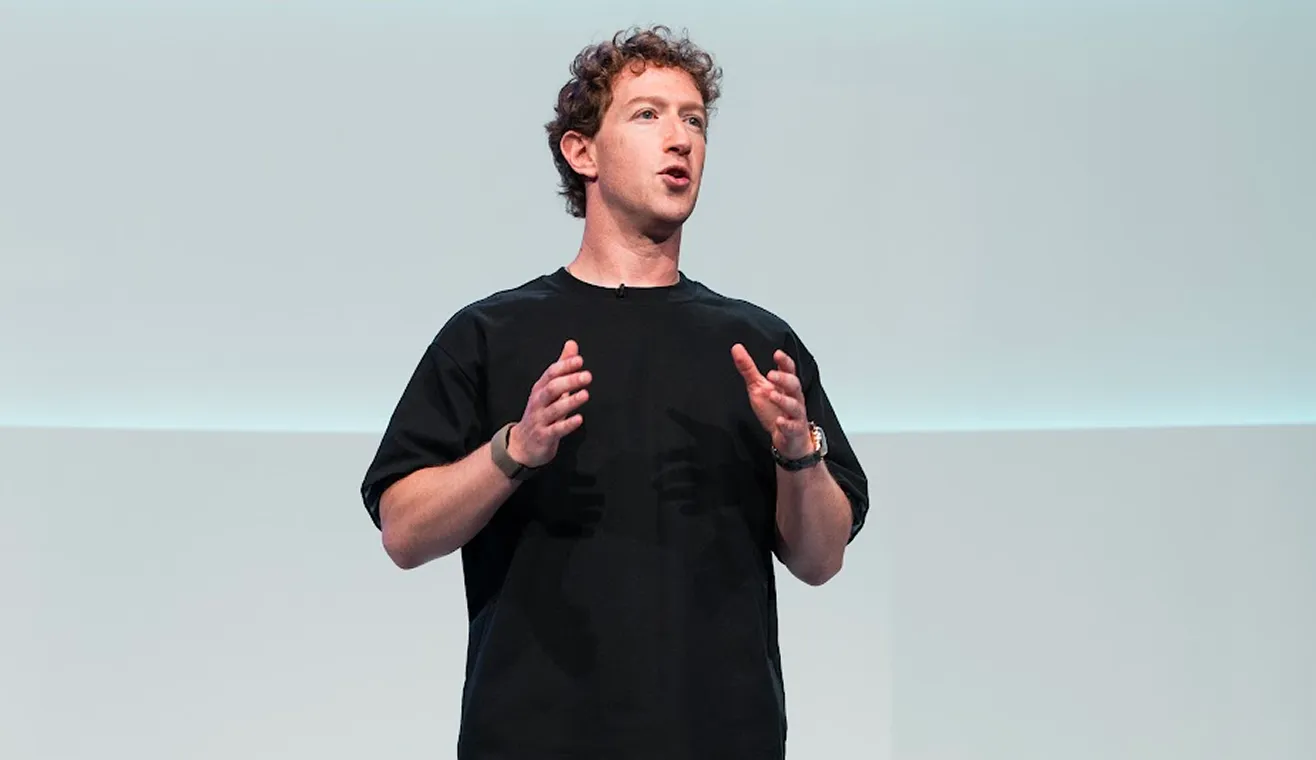
On August 10, 2026, Mark Zuckerberg published a 6,500-plus-word essay called 'The Future is for Everyone: The Path to a Positive AI Future.' It explains Meta's plans for developing AI, building the computers to run it, and how the company thinks AI should be regulated The Verge. The essay came with a video on his Facebook account. It expands on ideas from a shorter letter he wrote the year before The Verge.
The main idea is that Zuckerberg wants to give 'personal superintelligence to billions of people and small businesses.' Superintelligence refers to AI that is smarter than humans at most tasks. He wants to offer it 'for free or as affordably as possible' by releasing more open source AI models — meaning the software is made public so anyone can use and build on it The Verge. Zuckerberg says the US needs to lead in open source AI, warning that competing models from other countries have an advantage because those countries place fewer limits on what data companies can use to train their AI The Verge.
On policy, Zuckerberg says the US should rethink its rules around how AI models are built and what data they can learn from. He does not think blocking access to foreign open source models is a good solution The Verge.
The essay also covers Meta's plans for physical infrastructure. Zuckerberg describes massive new computers, including one called 'Prometheus' that uses about one gigawatt of power — roughly the output of a large nuclear reactor Meta Newsroom. Meta pledged to build energy-generating facilities wherever it builds AI infrastructure, which could provide low-cost energy to nearby communities. Zuckerberg wrote that 'Sustainable infrastructure development means that communities must benefit significantly from each project' The Verge. The company also committed to 'restore more water than we use in the watersheds where we operate by 2030' The Verge.
To support communities near its data centers, Meta is launching a 'Future Is For Everyone Fund' The Verge. Zuckerberg also announced America's Workforce Academy, a program created with academic and workforce partners to give free training to skilled tradespeople like electricians and welders Facebook. Zuckerberg said these tradespeople will get 'guaranteed high-paying jobs' in areas where Meta is building data centers The Verge.
Running advanced AI takes enormous amounts of computing power, electricity, and water for cooling. By tying data center development to local energy generation and workforce training, Meta is trying to change the story around its facilities from one of resource consumption to one of economic contribution.
Zuckerberg's push for open source models also raises technical and regulatory questions. His argument against restricting foreign models and for rethinking data rules targets ongoing debates among US policymakers and labs about how to handle the underlying components of AI models and where their training data comes from.
Meta is positioning open source as the default way to distribute AI globally. The promise to make superintelligence free or affordable, combined with the infrastructure plans, adds up to a strategy where the company controls the computing power, the energy, the workforce, and the way AI models are distributed.
Framing all of this under the banner of universal access and local benefit is a clear effort to align Meta's business expansion with public good arguments. Building massive supercomputers and local energy grids means clearing significant engineering, regulatory, and logistical hurdles. The path to 'personal superintelligence' runs directly through local municipal utility boards and skilled labor markets.