Meta's New AI Helper Muse: What It Does
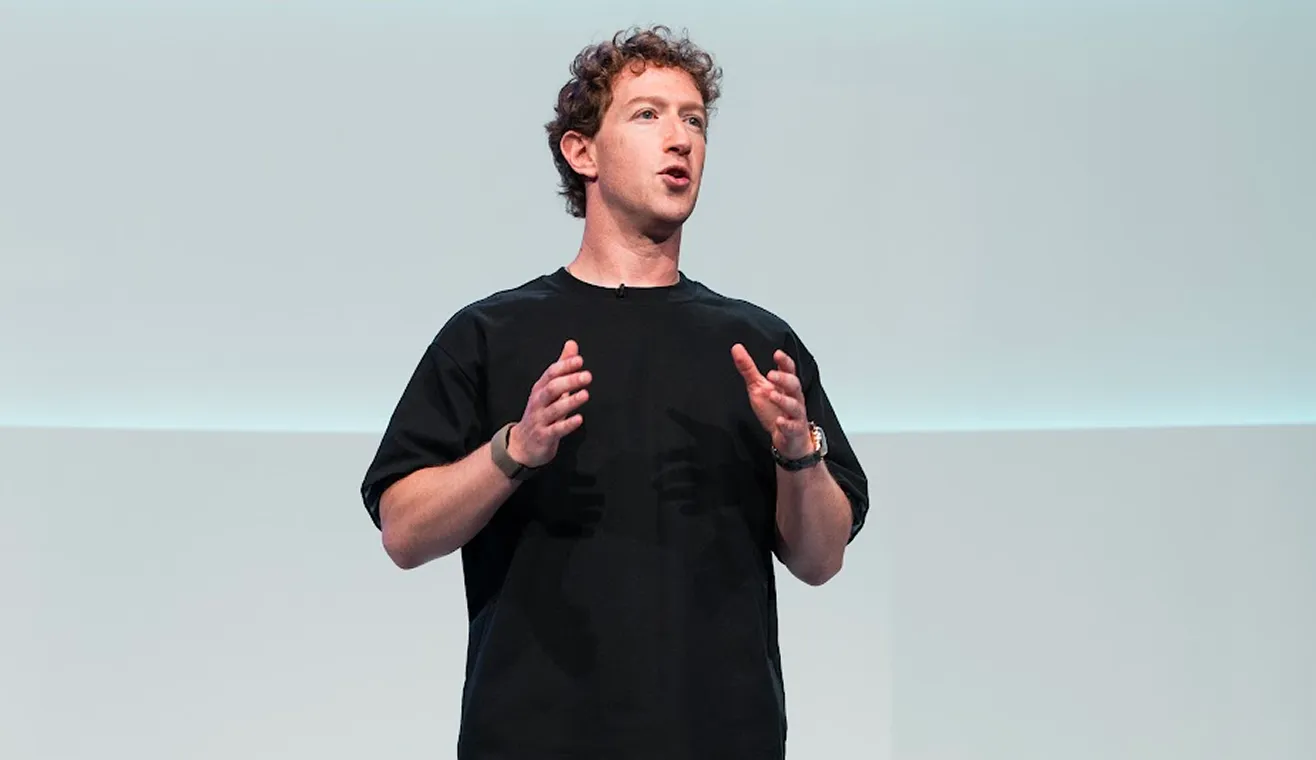
Mark Zuckerberg opened Meta Connect 2026 in Menlo Park on September 23 with a keynote about Muse, Meta's personal AI helper. Meta is going all-in on Muse to connect its AI, glasses and messaging apps. TechCrunch
Muse launched in early September. It works across your devices and accounts. It can link to email, calendars and Instagram to do daily tasks. Meta calls it a secure, private helper that offers help before you ask, to help you meet goals and share ideas. It is billed as 'The World's First Personal AI Agent Built for Everyone'. Inside Meta it was called Hatch. Zuckerberg says it is the center of Meta's plan for "personal superintelligence". Reuters
Below Muse is Muse Spark. That is the AI model that does the work. It can read more than text, such as images, and it can follow jobs with many steps. Meta calls it its most powerful model yet. Version 1.1 can make plans, link to email and calendar apps, make slides and act for you. It can hold 1 million tokens at once. Tokens are small pieces of words, so think of it like a very large notepad. It can remember what it did and find much older work. The same model family runs the Meta AI helper in WhatsApp, Instagram, Facebook and Messenger. Meta
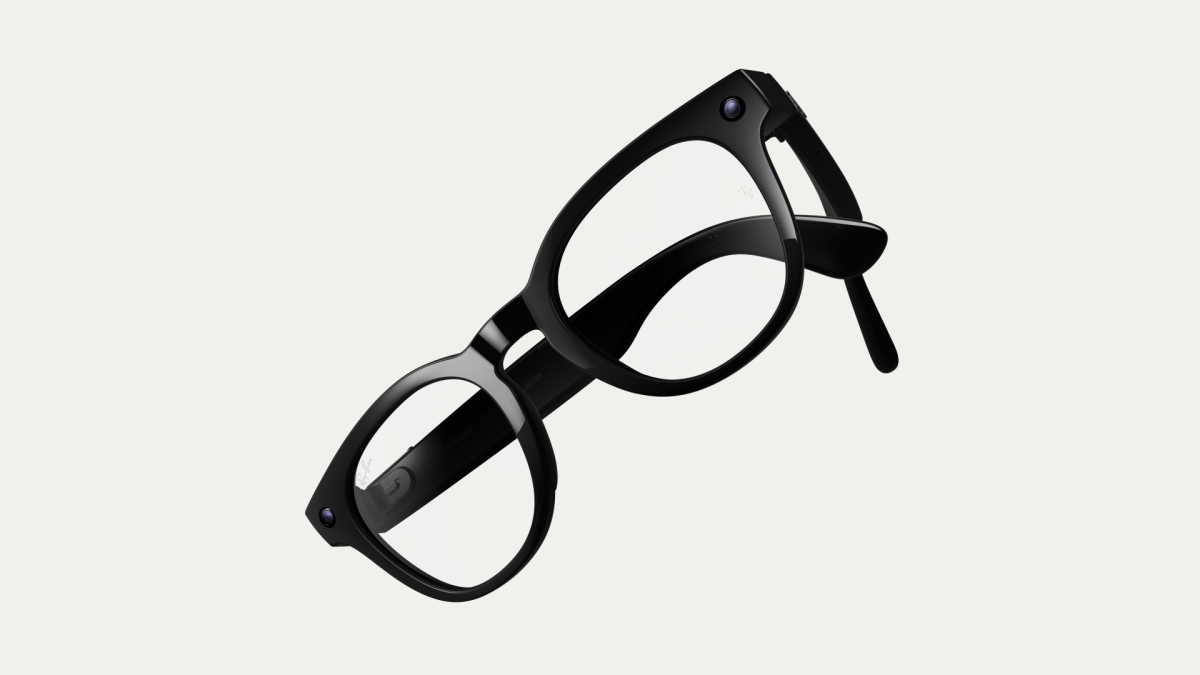
Connect showed where Muse goes next. Glasses are key. Meta said Muse will be built into its smart glasses, including Meta AI glasses. You start it with a wake word. Meta said it can guide a workout made for you, record meals, book a visit and help buy things you look at. The company said this should start in the coming months. There were also sessions to help developers build tools for the AI glasses.
Meta says Muse keeps working with apps and can make its own tools. It can send emails and make payments in other apps. At Connect, Meta brought that computer work to Mac. It also showed Muse Realtime Avatar. That lets you make a separate digital face for the helper and video chat with it live.
Zuckerberg said the physical figure for the Muse helper is named Jolly. He also showed the Muse Charm at the event at headquarters in Menlo Park, California, on September 23, 2026.
On money, Zuckerberg said Meta is making Muse free for a huge number of tokens and plans over time to earn a small fee from purchases. That is next to the Meta One subscription service announced September 15, 2026, though the verified material did not explain how the two prices work together.
On safety, Zuckerberg has said legal risk and competition give AI labs enough reason to build AI safely, and said Meta held back the release of its Muse AI helper.
The broader context here is easy to grasp. Muse is moving from answering questions to finishing jobs across mail, calendars and shops. Glasses give it a hands-free spot. WhatsApp, Instagram, Facebook and Messenger give it people it already knows.
In my view, the hard part is not a bigger model. It is trust. A helper that can send mail and spend money needs clear limits, easy undo and clear records. People will forgive a bad summary. They will not forgive a wrong payment. If Meta gets those basics right, and keeps it free long enough for habits to form, glasses plus Muse could become a daily help. That would free up time for many people.