Google's New Pixel 11 Phones: What's Coming on August 12

Google will show off its new Pixel 11 phones at an event on Wednesday, August 12, starting at 6PM ET / 3PM PT. You can watch it live on Google's Made by Google YouTube channel (The Verge, Android Central, CNET). Comedian Trevor Noah will host the presentation (The Verge).
Four phones are expected: the Pixel 11, Pixel 11 Pro, Pixel 11 Pro XL, and Pixel 11 Pro Fold, which is a phone that opens up into a larger screen like a book (The Verge). Availability details will be announced at the event itself (Google Store). The Google Store is already running a Pixel 11 preorder countdown that expires at 10AM ET on Wednesday, hours before the livestream begins (The Verge). Opening preorders before the official reveal is unusual for this event series.
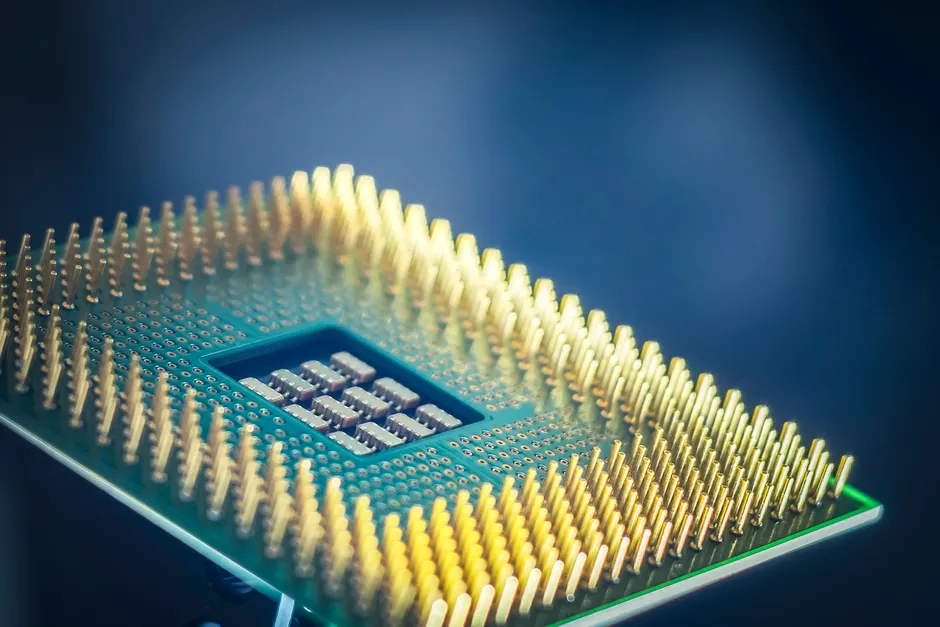
The biggest technical story is the chip inside the phones, called the Tensor G6. Think of a chip as the brain of the phone — it handles all the computing. Chips are made using manufacturing processes measured in nanometers, or nm. The smaller the number, the more tiny switches (called transistors) can fit on the chip, which generally means faster performance and better battery life. The Tensor G6 is rumored to be built on a 2nm process, made by a company called TSMC that manufactures chips for many tech companies. It is expected to be faster and more power-efficient than the Tensor G5 chip in last year's Pixel 10 (The Verge). If confirmed, the Pixel 11 would be the first smartphone on the market to use a 2nm chip (The Verge).
That matters because most competing phones still use 3nm chips. Google has historically been behind rivals like Qualcomm and Apple in adopting the latest chip manufacturing technology, so this would be a real change. The improvement is especially important for artificial intelligence tasks that run directly on the phone, like photo editing or voice assistants, where the chip needs to stay fast without overheating. Google has always focused its Tensor chips less on raw speed and more on building custom hardware for AI features. A 2nm chip would let Google pack in more specialized AI hardware without draining the battery.
Google has also been teasing a new feature: a rainbow-colored glowing light built into the camera bar on the back of the Pixel 11 Pro. The company has shown it off but has not said what it does or what it is called (The Verge). However, code found in Google's contacts app points to the feature being called "HiLight." According to that code, users will be able to set different colors for the light to signal when specific people call them (The Verge). A notification light on the camera bar is a new idea for smartphones, though phones already have ways to show who is calling through the screen and ringtones. Whether HiLight does more than caller identification is one of the open questions for Wednesday.
This launch comes exactly one year after the Pixel 10 family was announced at Made by Google 2025, an event that marked Google's tenth year building Pixel devices (Google Blog). The original Pixel and Pixel XL debuted on October 4, 2016, meaning the Pixel line is now entering its second decade (Google Blog). The Pixel 10, Pixel 10 Pro, and Pixel 10 Pro XL went on sale starting August 20, 2025, following a similar mid-August launch pattern (Google Blog).
Google has settled into a predictable routine: a mid-August event, preorders opening within days, and phones in stores by late August. The routine itself is unremarkable at this point, but what ships within it is changing. The Tensor G6 on a 2nm process, if confirmed, would put Google ahead of competitors on chip technology for the first time in the Pixel program's history. And features like HiLight signal that Google is still looking for hardware touches that competitors cannot easily copy through software alone.
There is something worth paying attention to in the preorder timing. Google usually waits until after the presentation to open preorders. Letting people commit before the official reveal suggests either that Google thinks the leaked information is accurate enough that the event is not needed to close sales, or that the company is trying to lock in preorder volume early for supply-chain reasons. Either way, it suggests confidence in the product, though it also means consumers are putting down money before any last-minute surprises are revealed.
The broader question for Wednesday is whether the Pixel 11 lineup does anything beyond faster chips and small hardware additions to push forward Google's vision of a phone built around artificial intelligence. A cutting-edge chip, a foldable phone that keeps improving, and a quirky glowing light are each interesting on their own. Whether they add up to a reason to upgrade from a Pixel 10 bought just twelve months ago is a harder sell, and one that the event will need to address directly.