Google's Next Budget Pixel Phone May Get Its Most Powerful Chip Yet
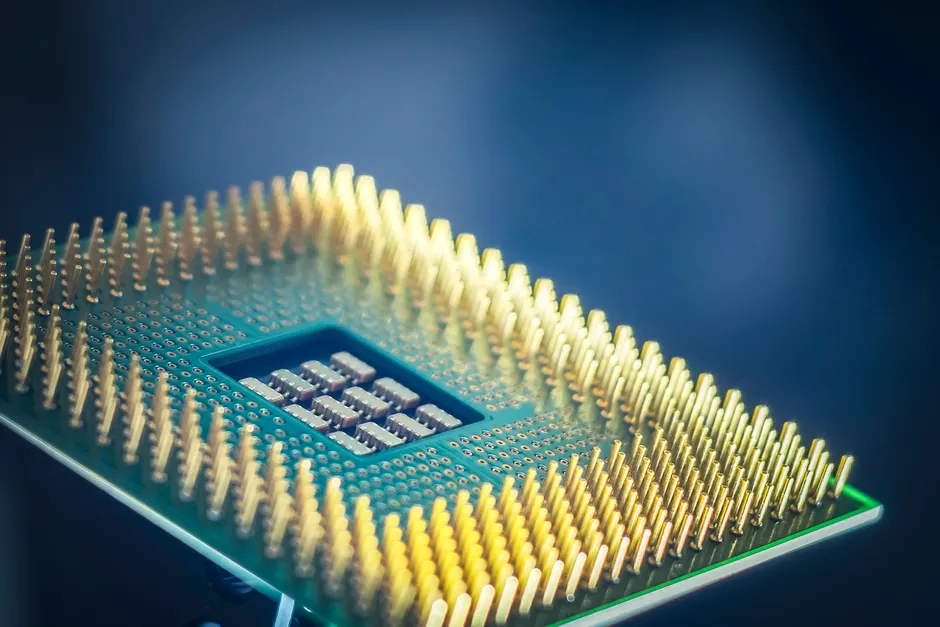
The Google Pixel 11a will use the same flagship Tensor G6 processor as Google's most expensive Pixel 11, according to a leak from the account "Mystic Leaks" posted on Telegram (The Verge). The post, which surfaced on July 18, 2026, also revealed display, battery, and modem details for the mid-range phone, codenamed "Formosan" (9to5Google).
If accurate, this would be a sharp break from Google's recent approach. The Pixel 10a shipped with an older Tensor G4 chip rather than a current one (The Verge). The processor, or SoC (system-on-a-chip), is the brain of a phone — it handles computing, graphics, and AI tasks. Putting a flagship SoC in the 11a would close the performance gap between Google's budget and premium phones to almost nothing, at least in terms of processing power.
The Tensor G6 is rumored to include a PowerVR DXT-48-1536 GPU, the same graphics processor reportedly used in the Tensor G5 (The Verge). The leak also says the G6 will pair with a MediaTek M90 modem — the component that connects the phone to cellular networks — moving away from the Samsung Exynos modems used in earlier Tensor chips. NotebookCheck independently reported the MediaTek M90 detail (NotebookCheck), and Android Headlines corroborated both the Tensor G6 and new modem claims (Android Headlines).
The display is expected to stay at 6.3 inches with a resolution of 1080 x 2424 and a refresh rate that adjusts between 60 and 120Hz. Peak brightness rises to 3,350 nits, up from 3,000 on the Pixel 10a (The Verge; Android Headlines).
The battery is slightly smaller: 4,870mAh versus the Pixel 10a's 5,000mAh (The Verge; Android Headlines). The leak also reports 8 GB of RAM for the device (NotebookCheck).
The MediaTek modem switch is the detail most worth flagging. Google has been working to separate its Tensor chip lineup from Samsung's manufacturing and modem technology for some time. A MediaTek M90 in the Tensor G6 would be a concrete step in that direction. The fact that it appears in the mid-range 11a suggests the transition is far enough along that Google is willing to use it across the full product line, not just in its most expensive phones. Multiple outlets corroborated the leak, though all trace back to the same original Telegram post, which gives the claims more weight than a typical single-source leak.
The GPU story is less dramatic but still notable. If the G6 reuses the same PowerVR graphics processor as the G5, Google is indicating that its GPU design is in a refinement phase rather than a ground-up redesign. For a mid-range phone like the 11a, that fits with the tier's traditional focus on adequate performance and battery life over raw graphics power.
The battery reduction, while small at roughly 2.6 percent, goes against the assumption that a more powerful chip would need a bigger battery. Google may be betting that the G6's improved manufacturing process and heat management make up the difference, or that the slightly smaller battery is simply a result of fitting other components inside the phone. Either way, 130mAh is unlikely to noticeably change how long the phone lasts on a charge.
The broader question is what a flagship chip in the 11a does to the Pixel lineup's pricing structure. If the 11a ships with the same processor as the Pixel 11, the value gap between the two shrinks considerably. Google has historically used chip generation, camera hardware, and build materials to justify the price difference between its A-series and mainline Pixel phones. A shared processor removes one of those levers, leaving camera quality, display technology, and materials to do more of the work.
For developers and Android enthusiasts, the Tensor G6 in the 11a would also mean more devices running the same chip, which makes it easier to optimize and test whatever AI features Google builds into the G6's dedicated machine-learning hardware. A larger pool of devices with identical silicon could speed up feature parity across the Pixel family.
All of these details come from a single leaker's Telegram post, cross-referenced by several outlets but not confirmed by Google. The company has not announced the Pixel 11a or the Tensor G6. The Pixel 10a's use of an older chip is a factual precedent that makes this leak more plausible by contrast, but jumping from a two-generation-old chip to a current flagship is a big leap, and one that could change before the device goes into production.
What is clear is that Google's mid-range Pixel strategy is actively evolving. Whether the final phone matches every specification in this leak, the direction points toward closer chip parity across the lineup and a continued move away from Samsung-sourced components in the Tensor family.


