Trump Wants Iran to Pay for Decades of Deaths. Here's Why It Matters for Peace Talks.
President Donald Trump said on August 10, 2026, that he will demand Iran pay compensation — money to make up for harm caused — for the deaths of thousands of US soldiers and Iranian civilians over recent decades. This adds a major new disagreement to already stalled negotiations to end the five-month war and reopen the Strait of Hormuz, a narrow waterway that is crucial for global oil shipping. The Guardian
Trump made the demand in a post on Truth Social. He said he was responding to Iranian negotiators who had made similar claims for damages from the five-month war, which killed thousands and devastated Iran's military and economy. Both sides are now asking each other to pay up, which could make any peace deal harder to reach.
In his post, Trump demanded compensation from Iran for people killed and gravely wounded by Iran's roadside bombs and conflicts led initially by General Qassem Soleimani, including the families of those killed on the USS Cole and thousands of others killed in combat. He also said compensation should be paid to the families of hundreds of thousands of innocent protesters killed by Iran over the last 50 years, and to the families of the 52,000 killed in the last five months.
About an hour after the initial post, Trump broadened the scope to include victims of recent wars in Lebanon, Syria, Yemen, and Gaza. By extending the claim to cover multiple countries where Iran has operated or supported armed groups acting on its behalf, the demand effectively blames Tehran for a wide arc of casualties across the Middle East. That would vastly increase any hypothetical compensation figure.
The demand arrives at a sensitive moment in the Hormuz negotiations. On August 8, Iran said a deal on the Strait of Hormuz was close but that reaching a deal alone would not be enough to reopen the waterway. Reuters Three days earlier, on August 5, Trump said the US and Iran were having "very good discussions" about a proposed deal regarding the strait. Reuters The proposed deal would give Iran control of inbound vessels, a concession that would represent a significant shift in the security of one of the world's most critical shipping routes.
The Strait of Hormuz carried 20% of global oil trade before the US and Israel launched joint strikes on Iran in late February. The closure of the waterway has disrupted energy markets for over five months, and its reopening is a central goal of the current diplomatic track.
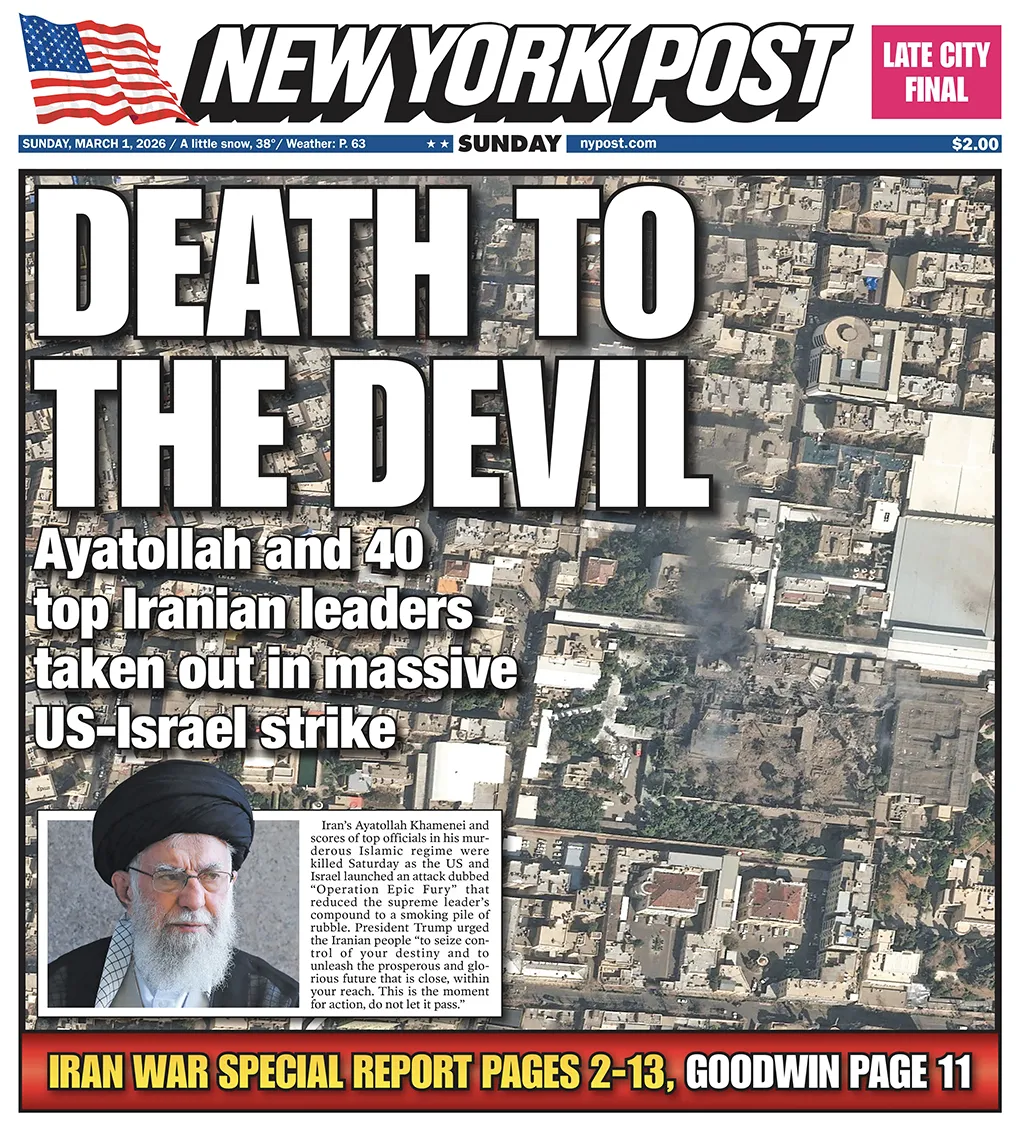
The military campaign, called Operation Epic Fury, was announced by the White House in March 2026 as a "precise, overwhelming military campaign to eliminate the imminent nuclear threat posed by the Iranian regime." White House A separate White House release that month asserted that "more Americans have been killed by Iran than by any other terrorist regime on Earth." White House By June, the White House stated that Trump had "got rid of the Iranian leadership and devastated Iran's military" and that the Iranian regime was responsible for the deaths of over 1,000 Americans. White House A January release had already claimed that Trump "destroyed Iran's nuclear weapons capability through coordinated military action, sanctions escalation, and intelligence operations." White House
The compensation demand also follows Trump's July 20 vow that Iran would "pay" for killing US service members after multiple American soldiers were killed in action over a preceding weekend. Al Jazeera He stated at the time: "Every time Iran kills an American soldier, they will pay for that killing many times over." BBC
Separately, the diplomatic environment is under strain from the collapse of a parallel peace track. On August 9, Israeli Prime Minister Benjamin Netanyahu rejected the Trump-backed Board of Peace's 15-point plan to end Israel's war in Gaza, saying Hamas must fully disarm before Israel would consider pulling out of Gaza. When asked about his relationship with Netanyahu in the Oval Office on August 10, Trump described it as "very good."
The broader context here is that Trump's demand, because it stretches across five decades and multiple conflicts, may function less as a serious negotiating position than as leverage — a way to gain an advantage in talks. Iran's own counter-claim for damages from the five-month war gives Tehran a parallel demand it can use to frame any US compensation request as a two-way obligation rather than a one-sided penalty. If both sides treat reparations as a bargaining chip to be traded against core goals such as Hormuz access and sanctions relief (the easing of economic penalties), the issue could become part of the broader negotiation package rather than blocking it outright. The risk, however, is that escalating financial claims harden positions on both sides, particularly given Iran's devastated economy and the domestic political costs in both countries of being seen as paying the other.
The timing is also notable. Iran's August 8 signal that a Hormuz deal was close but insufficient on its own to reopen the waterway suggested that Tehran was seeking additional concessions or guarantees beyond the maritime arrangement itself. Trump's reparations demand, coming two days later, may be an attempt to define the price of those additional concessions in Washington's terms rather than Tehran's. Whether that strategy narrows the gap or widens it will depend on whether Iranian negotiators treat the demand as an opening bid or a provocation.