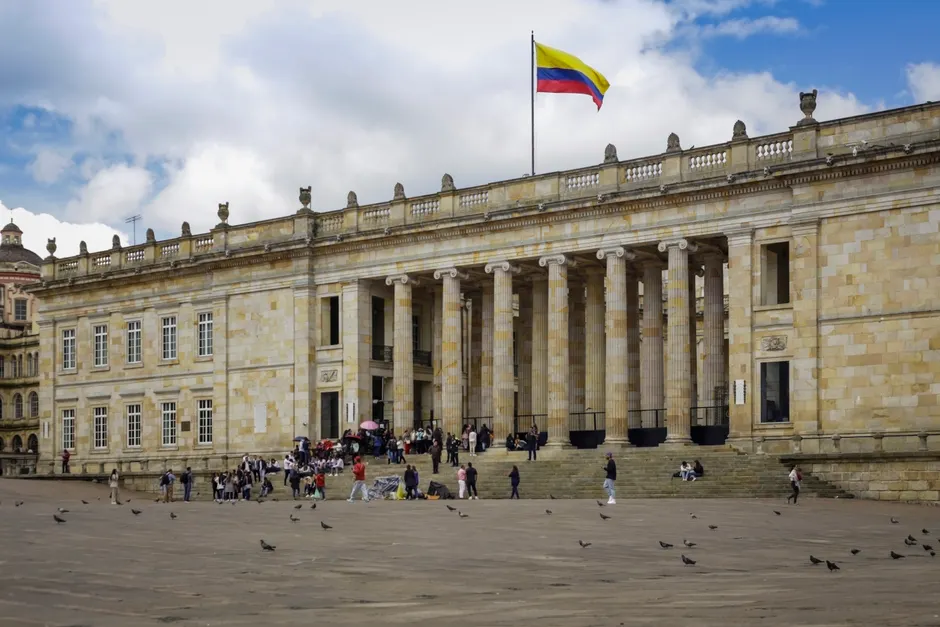
Colombia Now Says the Golan Heights Belong to Israel — Here's What's Going On
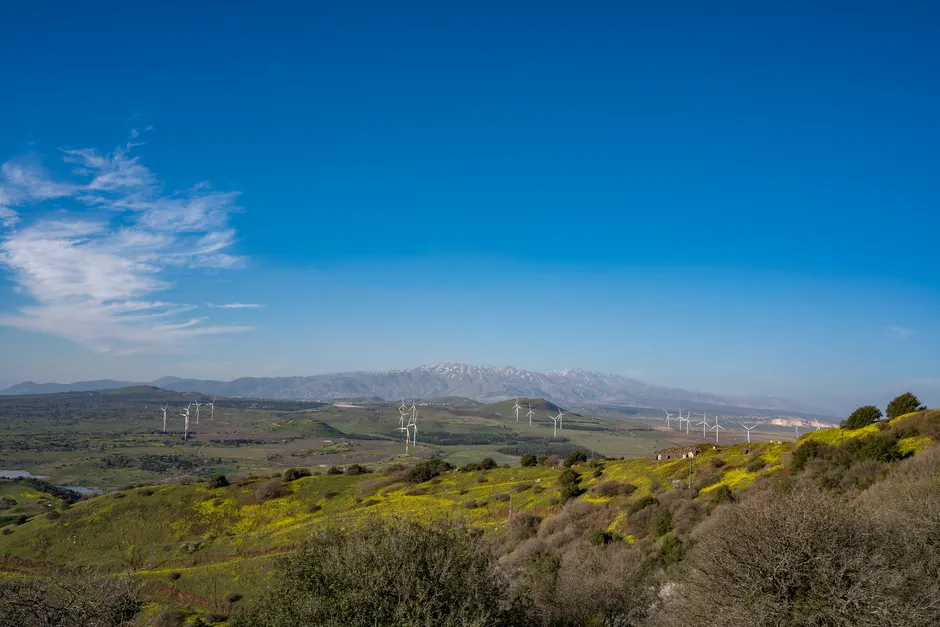
Colombia's government announced on 10 August 2026 that it recognises the Golan Heights as part of Israel. Only one other country, the United States, has done the same (Al Jazeera).
The announcement was posted on X. It said the Golan Heights are important for Israel's security and that Israel has the right to defend itself (Jerusalem Post; Times of Israel). The news came just days after Colombia's new far-right president, Abelardo de la Espriella, took office (Al Jazeera).
Israel's Foreign Minister, Gideon Saar, thanked de la Espriella and called the recognition "historic." He said the two leaders had agreed on the move a day before the inauguration, in the city of Barranquilla (Al Jazeera). Because they planned it before the president even took office, the decision was clearly a priority from the start.
Colombia also reversed the previous government's approach to the Palestinians. De la Espriella cancelled a plan by his predecessor, Gustavo Petro, to open a Colombian embassy in Ramallah, a city in the West Bank (Al Jazeera).
Until this week, Colombia's official position was the opposite. A 2015 government document stated that Colombia did not recognise Israeli sovereignty over occupied territories, including the Golan Heights and the Gaza Strip (Colombian Foreign Ministry Normograma). Colombia's Constitutional Court referenced that position in a 2019 ruling (Colombian Foreign Ministry Normograma). That means the reversal touches not just foreign policy but the legal framework behind it.
The United States recognised Israel's claim over the Golan Heights in 2019, under President Donald Trump (Al Jazeera). With Colombia's decision, two countries now recognise Israeli sovereignty there.
To understand why this matters, it helps to know the history. Israel captured the Golan Heights from Syria in 1967 during a brief conflict called the Six-Day War. In 1981, Israel formally annexed the territory, meaning it declared the land part of Israel. The United Nations considers this annexation illegal and still views the Golan Heights as Syrian land (Al Jazeera). In the month before Colombia's announcement, UN Secretary-General Antonio Guterres called the Israeli occupation "totally unacceptable" (Al Jazeera).
Colombia's recognition also comes after Israel expanded its military presence in Syria. The Syrian government, led by Bashar al-Assad, collapsed in December 2024, leaving a power vacuum that gave Israel more freedom to operate in Syrian territory (Al Jazeera).
The broader context here is about how Colombia's new government is changing the country's role in the world. De la Espriella has used his first days in office to break sharply with the previous government's stance on the Israeli-Palestinian conflict, moving Colombia closer to the US and Israel. Whether other countries will follow Colombia's lead is an open question. But the move chips away at an international consensus that has held since 1981, when the UN Security Council voted unanimously to reject Israel's annexation of the Golan Heights. The US already weakened that consensus in 2019, and Colombia's decision narrows it further.
For Latin America, the effects could go beyond the Golan Heights. Cancelling the Ramallah embassy plan shows that de la Espriella is willing to shift Colombia's entire approach to the Middle East, putting the relationship with Israel ahead of the Palestinian ties the previous government had built. The speed of the reversal suggests the new administration arrived with a ready-made foreign policy agenda.