The U.S. and Colombia May Be Restarting Their Drug-War Partnership. Here's Why.
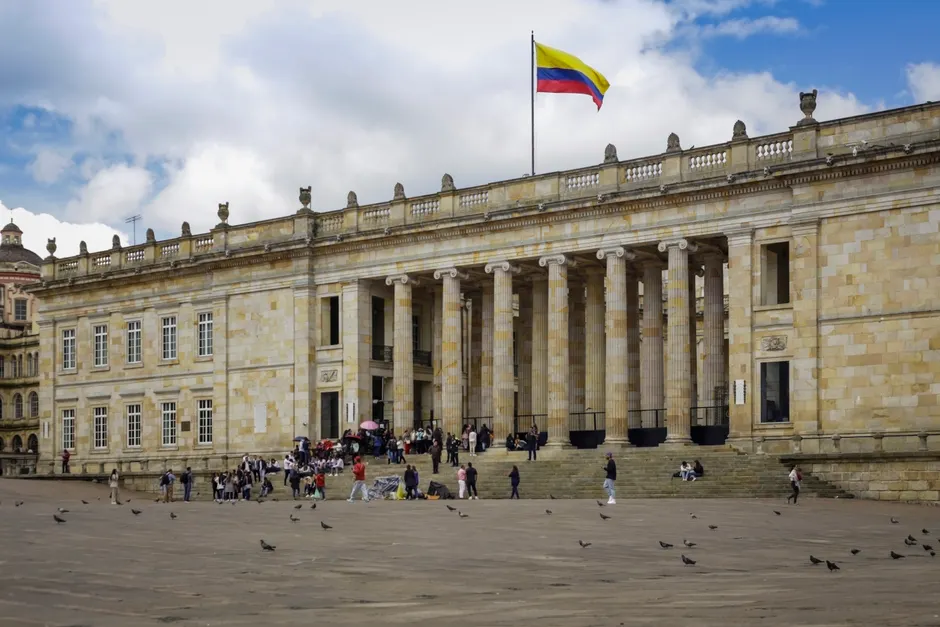
The Trump administration is likely to restore Colombia's status as a trusted partner in the fight against illegal drugs. That would reverse a decision from September 2025 that, for the first time in nearly 30 years, cut off that partnership and placed sanctions on Colombia's sitting president, Gustavo Petro. The expected change comes as Colombia's politics shift: a tough-on-crime presidential candidate named Abelardo De La Espriella, who has promised to destroy drug traffickers with military force, appears set to become the country's next leader. New York Times
Here is what happened last fall. In September 2025, Secretary of State Marco Rubio announced that the U.S. would no longer certify Colombia as a cooperating partner in drug control. This process, called "decertification," means the U.S. government decides a country is not doing enough to stop drug trafficking. The result is that U.S. funding and cooperation can be cut off. The State Department at the same time imposed sanctions on Colombian officials it said were involved in the illegal drug trade. State Department
Days before that, President Trump had announced tariffs and an end to U.S. aid to Colombia. He called President Petro an "illegal drug leader." The Treasury Department followed with sanctions directly targeting Petro, accusing him of allowing drug trafficking to flourish. These moves put millions of dollars in U.S. military and development funding at risk and threatened a security partnership that had been central to U.S. drug-fighting strategy in South America for decades. AP News New York Times New York Times
The tension between the two countries has grown against a worsening security situation. A Colombian rebel group called the National Liberation Army, or ELN, took refuge in neighboring Venezuela and expanded its operations there. The ELN grew wealthier through drug trafficking and tripled in size to about 6,000 members. Because the group now operates largely outside Colombia's borders, it is much harder for Colombia or its partners to pressure them. New York Times
Trump has also declined to rule out sending U.S. military forces against drug-trafficking targets in countries including Colombia and Mexico. That stance added more uncertainty to a relationship already under strain. Reuters
Colombia's drug-fighting infrastructure, built with significant U.S. support, remains in place despite the funding disruptions. One unit, the Joint Eradication Task Force, has 1,700 personnel who manually destroy coca plants, the raw material for cocaine. Another, the Counternarcotics and Transnational Threats Command, created in February 2021, has 7,000 soldiers tasked with fighting criminal groups. On the U.S. side, the Joint Interagency Task Force South works with international partners to combat organized crime, a mission that depends heavily on Colombian cooperation. State Department INCSR 2024 State Department State Department INCSR 2023
The bigger picture here is that two things are changing at once. Colombia is likely getting a new president, and the U.S. is adjusting its approach to fighting drugs. De La Espriella's promise to use military force against traffickers lines up more closely with what Trump has said he wants. If the U.S. restores Colombia's partner status, it would reopen the door to funding and cooperation just as a new Colombian government may be more willing to send soldiers after trafficking networks, including groups like the ELN that have set up bases across the border in Venezuela.
The timing matters. If the U.S. restores Colombia's status before De La Espriella takes office, it would signal that Washington is preparing to support the incoming government's security plans, not rewarding the outgoing Petro administration. The decertification and personal sanctions against Petro created a break in the U.S.-Colombia security relationship. Reversing that break would rebuild one of the most important drug-fighting partnerships in the Americas. Whether that rebuild comes with strings attached, more direct U.S. involvement, or new plans for dealing with the ELN's safe haven in Venezuela is the question both governments will need to answer.


