A Flight Tracking Company Is Suing a Betting Platform Over Its Data
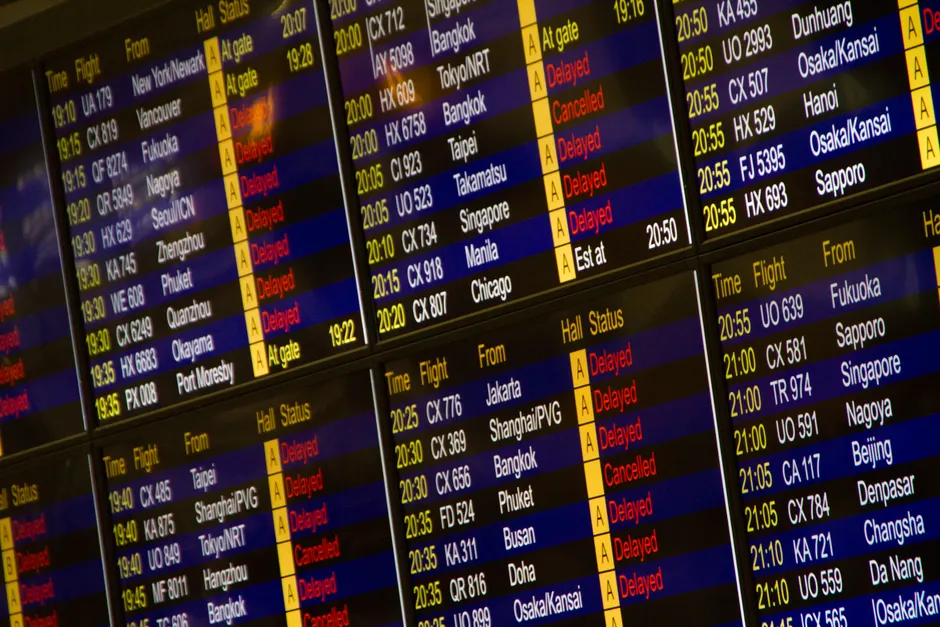
FlightAware, a company that tracks flights in real time, has sued a betting platform called Kalshi in a New York federal court. The lawsuit says Kalshi used FlightAware's data and name without permission to run bets on how many flights would get canceled (TechCrunch, CoinDesk).
Kalshi started letting users bet on the number of flights cancelled in the U.S. or at a given airport roughly a month before the lawsuit was reported on August 11, 2026 (Reuters, TechCrunch).
According to the complaint, Kalshi displayed FlightAware's branding and information even after FlightAware told Kalshi to stop. FlightAware also said Kalshi never told the company it would use FlightAware's data to determine who won the bets. FlightAware said it found out about the betting markets only when news outlets started reporting on them (TechCrunch).
The complaint also raises a safety concern. FlightAware argued that betting on flight cancellations could give someone a financial reason to interfere with flights, creating a risk to travelers and airport workers (TechCrunch). The court documents do not explain exactly how someone might do this, but the idea is that if you can win money when flights get canceled, you might be tempted to cause a cancellation yourself.
FlightAware is seeking a jury trial and has not specified a dollar amount in damages (TechCrunch). The complaint is available via the court's docket (court filing).
Kalshi is what is known as a prediction market, a website where people bet money on the outcome of real-world events. Kalshi's betting markets are regulated by the U.S. government. The company's move into flight-cancellation betting follows a familiar pattern: a platform uses someone else's data to run its business without setting up a licensing agreement first.
What makes this case unusual is the combination of three things: the trademark claims, the fact that Kalshi allegedly kept using FlightAware's name after being told to stop, and the safety argument that ties a betting product to potential physical harm.
The broader context here is about who benefits from data that someone else spent years building. FlightAware's whole business is collecting and sharing real-time flight data. Think of it like a weather service: a lot of expensive equipment and infrastructure goes into gathering the information, and the value comes from distributing it. If a betting platform can use that data for free to settle its contracts, it is getting the benefit of FlightAware's work without paying for it.
The trademark claim is also important. FlightAware is not just saying Kalshi copied some numbers. The company says Kalshi displayed the FlightAware name in a way that could make people think FlightAware endorsed or partnered with the betting markets.
The safety argument is the most unusual part. People have bet on weather, economic numbers, and elections before. But flights are a regulated system where safety is critical. The idea that a betting payout could give someone an incentive to cause a disruption is something most prediction-market disputes never touch. Whether a judge takes this risk seriously enough to factor it into a decision is an open question, but it shows FlightAware is casting the harm as broadly as possible.
For betting platforms, the case is a reminder that the data used to settle bets comes with its own legal risks. Using a data provider's name without permission is exactly the kind of thing that can lead to a lawsuit. For data providers, it shows that brand and data go together: unauthorized use of either one, in a context the provider did not agree to, can be challenged in court.
The outcome will probably come down to standard trademark and competition law rather than any new legal theory. But the safety argument, if the court takes it seriously, could set a precedent for how betting markets tied to real-world infrastructure are judged, not just on whether they are fair, but on whether they create risks the system was never designed to handle.


