A Flight Tracking Company Sued a Prediction Market Company and Dropped It the Next Day

FlightAware, a company that tracks flights around the world, filed a lawsuit against Kalshi, a company that runs prediction markets, on August 10, 2026. The very next day, FlightAware voluntarily dismissed it (Reuters). The dismissal was filed "without prejudice," which is a legal term meaning FlightAware can bring the same lawsuit again later if it chooses to (Engadget).
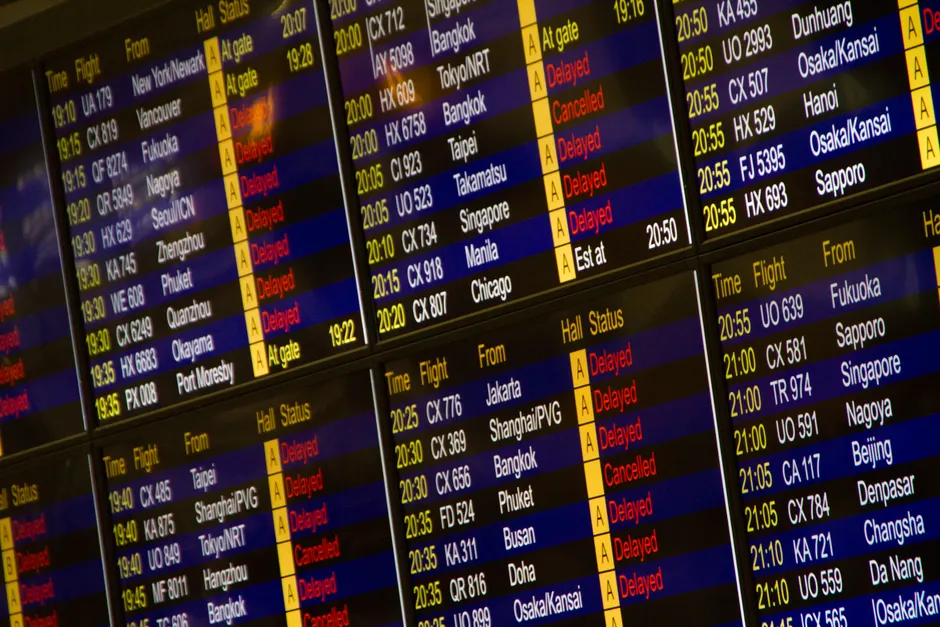
A prediction market is a platform where people can buy and sell contracts that pay out based on whether a specific real-world event happens. In this case, Kalshi let users trade on whether U.S. flights would be canceled. FlightAware said Kalshi used its flight data without permission to run what FlightAware called a gambling market (Engadget). The lawsuit asked for unspecified damages, a court order stopping Kalshi from using FlightAware's data and name, and a jury trial (Reuters).
The suit was filed under a federal law called the Lanham Act, which covers trademark protection in the United States. A trademark is a name, logo, or brand identifier that a company uses to distinguish itself. FlightAware's argument was that Kalshi was using the FlightAware name in a way that suggested FlightAware endorsed or was connected to Kalshi's prediction market, when it was not (CourtListener).
Between the day FlightAware filed the lawsuit and the day it dismissed it, Kalshi made changes to its platform. Labels on flight cancellation outcomes that had read "verified from FlightAware" were changed to "verified from Primary Source Agency," though the platform still links to FlightAware's website (Engadget). Kalshi also added a statement saying its flight cancellation market and related products have not been endorsed by the Primary Source Agency or its affiliates (Engadget).
The quick dismissal could mean the two companies reached an informal agreement, or that FlightAware decided to step back and rethink its approach. Because the case was dismissed "without prejudice," no judge ruled on whether FlightAware's claims had merit. Whether Kalshi's platform changes played a role is not confirmed in any public record.
Kalshi is also facing other legal challenges. New York Attorney General Letitia James sued Kalshi in July 2026, claiming the platform is an "illegal gambling operation" under state law (Reuters). A separate case in New Jersey makes a similar argument under that state's gambling laws (Reuters). Together, these cases ask a fundamental question: are Kalshi's prediction contracts a form of regulated financial trading, or are they unlicensed gambling?
Kalshi has won at least one major legal fight. A federal court ruled in Kalshi's favor against the Commodity Futures Trading Commission, a federal agency that oversees certain types of financial markets. The court found that the CFTC had overstepped its authority and did not provide enough evidence to justify its action against Kalshi (Kalshi). That ruling gave Kalshi some federal-level backing, but it does not directly settle the state gambling cases still pending.
The FlightAware lawsuit was different from the gambling cases. Instead of questioning whether Kalshi's markets are gambling, it focused on whether a company can use another company's name and data without permission when building a prediction product. Think of it like a restaurant using a famous food critic's name on its menu without the critic's approval. The dismissal means that question goes unanswered for now.
The broader context is that prediction markets are a relatively new kind of business that existing laws did not anticipate. They sit at the crossroads of financial trading, consumer protection, and intellectual property. Kalshi's federal court win gave it room to operate, but state regulators and private companies keep testing where the limits are. The FlightAware suit, short-lived as it was, showed that prediction markets can face legal trouble not just over whether they are gambling, but over whose data they use and how they label it.
For companies like FlightAware, the situation is complicated. Flight data is shared widely through public websites, apps, and data feeds that other services can access. Once that information is out in the world, controlling how someone else uses it is difficult, especially when the downstream use is a financial product governed by different rules. FlightAware may have decided that trademark law was not the best tool for its concerns.
Neither company has publicly explained why the lawsuit was dropped. FlightAware's right to refile remains, and Kalshi's platform changes are still in place. Whether this is the end of the dispute or just a pause before a different kind of legal challenge is something the public record does not yet answer.