Why Courts and Pubs Are Banning Smart Glasses

Court buildings in England and Wales have banned Meta smart glasses, effective immediately. Anyone wearing the devices to a court will have them taken at the door and returned when they leave Engadget.
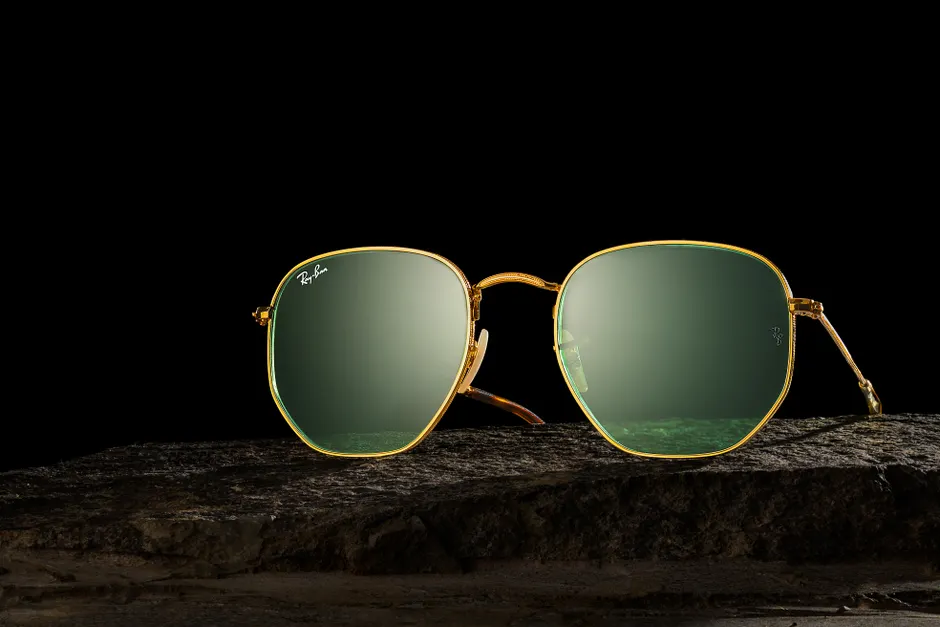
Smart glasses look like regular glasses but contain a built-in camera that can take photos or record video, often triggered by a voice command or a small touch on the frame. Courts already ban cameras, and because smart glasses have cameras built in, they fall under the same rule. Taking photos or videos in a court building without permission is a criminal offence and can be prosecuted as contempt of court Engadget.
The ban applies to any wearable recording device, not just the Meta brand BBC.
Courts do allow smartphones inside, as long as they are not used to record. The difference comes down to what the device looks like. A phone can be put away in a pocket or bag where staff can see it is not in use. Smart glasses sit on someone's face and look just like ordinary glasses, so security staff cannot easily tell whether the camera is recording Engadget.
UK government guidance already requires visitors to surrender most electronic items at court security, including mobile phones, smart watches, tablets, and memory sticks gov.uk.
The ban follows an incident earlier this year in which a man was accused of being coached through an earpiece or display in his smart glasses while being questioned in a London court. He denied the accusation BBC.
New York's state court system recently announced a similar ban, also aimed at stopping secret recordings Engadget.
Courts are not alone. Pub chain Wetherspoons, high-end restaurants, theatres, music venues, and comic book conventions across the UK have all prohibited the devices. Comic-Con's promoter banned Meta glasses to stop secret filming of guests and attendees PetaPixel BBC.
The reason is privacy. A University of Sydney study found hundreds of Instagram videos where male content creators secretly filmed women and posted the footage online, with about 60 percent showing behaviour classed as potential harassment The Independent. Some influencers have lost followers over the devices, which have been nicknamed "pervert glasses" The Guardian.
Ray-Ban Meta glasses have sold well since launch but face growing privacy concerns and new competition that could slow their growth Reuters.
The court policy deserves a closer look. The smartphone exception works because a phone can be put away, and staff can see whether someone is using it. Smart glasses remove that gap between having a camera and using one. When recording starts with a voice command or a tap on the frame, and the device looks no different from prescription glasses, the rules that work for phones stop working. Enforcing a ban on recording would mean staff watching every wearer's hands and listening for voice commands, which is not practical when they are already handling queues, bags, and security screening.
The London incident shows the specific problem for courts. A courtroom relies on a witness giving their own answers. If someone can receive information through a hidden display or audio feed in their glasses, that basic principle is broken in a way a camera ban was never designed to address.
The broader picture is a social debate still in its early stages. Wearable cameras are not new. Google Glass faced similar pushback more than ten years ago. What has changed is that Meta's partnership with Ray-Ban created glasses that look like ordinary eyewear, and enough people now own them to matter. When few people had them, venues could ignore them. At current sales numbers, every venue owner has to decide whether the hassle of policing the devices is worth keeping the goodwill of the small number of people who wear them.
The courts have made their decision. A justice system cannot allow a recording device that looks identical to someone's reading glasses. Other venues are reaching the same conclusion for their own reasons. The pattern suggests that where smart glasses are allowed will matter as much as the technology itself in shaping their future.