Meta Smart Glasses Now Turn Off Camera If Privacy Light Gets Broken
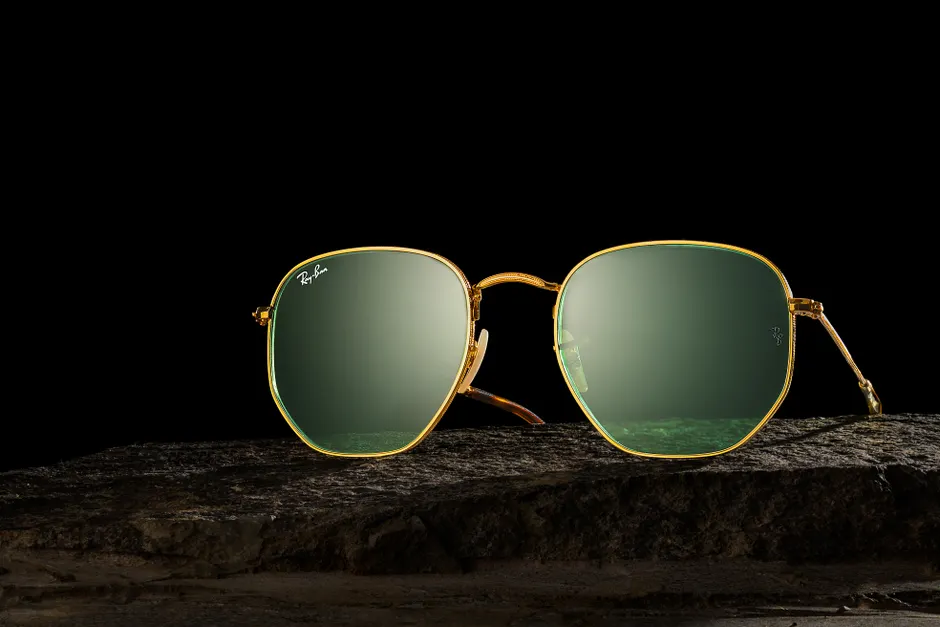
Meta is rolling out a software update for its smart glasses that will automatically turn off the camera if someone damages or removes the privacy light, the company confirmed in July 2026. According to The Verge, the update targets people who have physically disabled the light to hide the fact that they are recording.
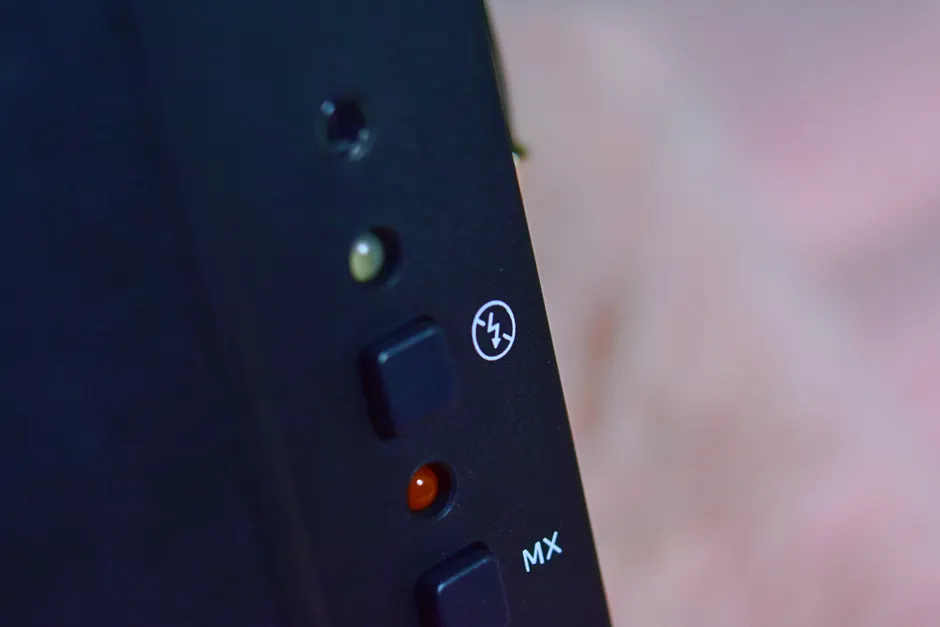
The privacy light is a small green LED on the front of the glasses that glows whenever the camera is recording. It is meant to signal to people around you that they might be on camera. Since these glasses became popular, some people have figured out how to drill into or disable the light while keeping the camera working. The new update watches to see if the light is damaged or missing, and if it detects that, the camera simply stops working.
Meta's earlier glasses already had a basic warning system: if someone covered the light with tape or another temporary object, the glasses would alert the user to remove the cover. The new update is different. It permanently stops the camera if the light is destroyed or removed, not just when it is temporarily blocked.
Meta has not explained exactly how it detects the damage — whether it checks if electricity is flowing through the light or uses some other method — and has not said when this update will arrive for all of its glasses models.
The update came after real incidents. In June 2026, BGR reported that women had described being filmed without their knowledge by people wearing Meta glasses with disabled privacy lights. Online guides showing how to disable the light made the problem more visible, putting pressure on Meta to prove that the indicator light actually protects privacy and cannot be easily bypassed.
At the same time, courts are taking a different approach. New York State plans to ban all camera glasses from courthouses starting in late July 2026, according to syracuse.com. Philadelphia courts have already banned them outright, with NBC Philadelphia reporting that people who violate the ban could be arrested. These bans apply to all camera glasses, whether the privacy light works or not.
There is a deeper problem that Meta's fix does not fully solve. A tiny light on someone's glasses only protects privacy if the people around them notice it and understand what it means. Many people might not see it, or might not know that a small green light means they are being recorded. Courthouse bans avoid this problem altogether by simply saying: no camera glasses allowed. That removes any confusion about whether someone is being recorded.
Meta's update is a reasonable response to a specific problem — people deliberately destroying the privacy light to record secretly. But it cannot stop someone from finding other technical ways to hide recording, and it cannot help people who simply do not notice or understand the light. The real issue is not just whether the light works, but whether people know what it means when they see it.
The bigger story is what the courthouse bans tell us. When institutions decide to ban a type of device rather than rely on a privacy indicator, it signals that camera glasses are spreading faster than society has figured out how to use them responsibly. This happened partly with smartphones too — over time, people learned that holding a phone up to record is obviously visible. Glasses are different because wearing glasses looks normal, so there is no visible signal that recording is happening. That is exactly why the privacy light was created. When people drill it out to hide the fact that they are recording, it shows why turning off the camera is the right response — rather than just scolding the user.
AI glasses will probably become more useful over time, with better features and wider adoption. But the privacy light story reminds us that trust in any camera device is built step by step, through real incidents and real responses. Technical fixes come after problems have already hurt people.