Trump Secretly Switched Planes in Turkey Because of an Iran Threat

President Donald Trump confirmed on August 12, 2026 that he secretly switched airplanes while leaving a NATO summit in Turkey the month before because of a credible Iranian missile threat. Trump told reporters that the Secret Service and the military told him to travel on a different plane, saying, "I just have to do what they say" BBC.
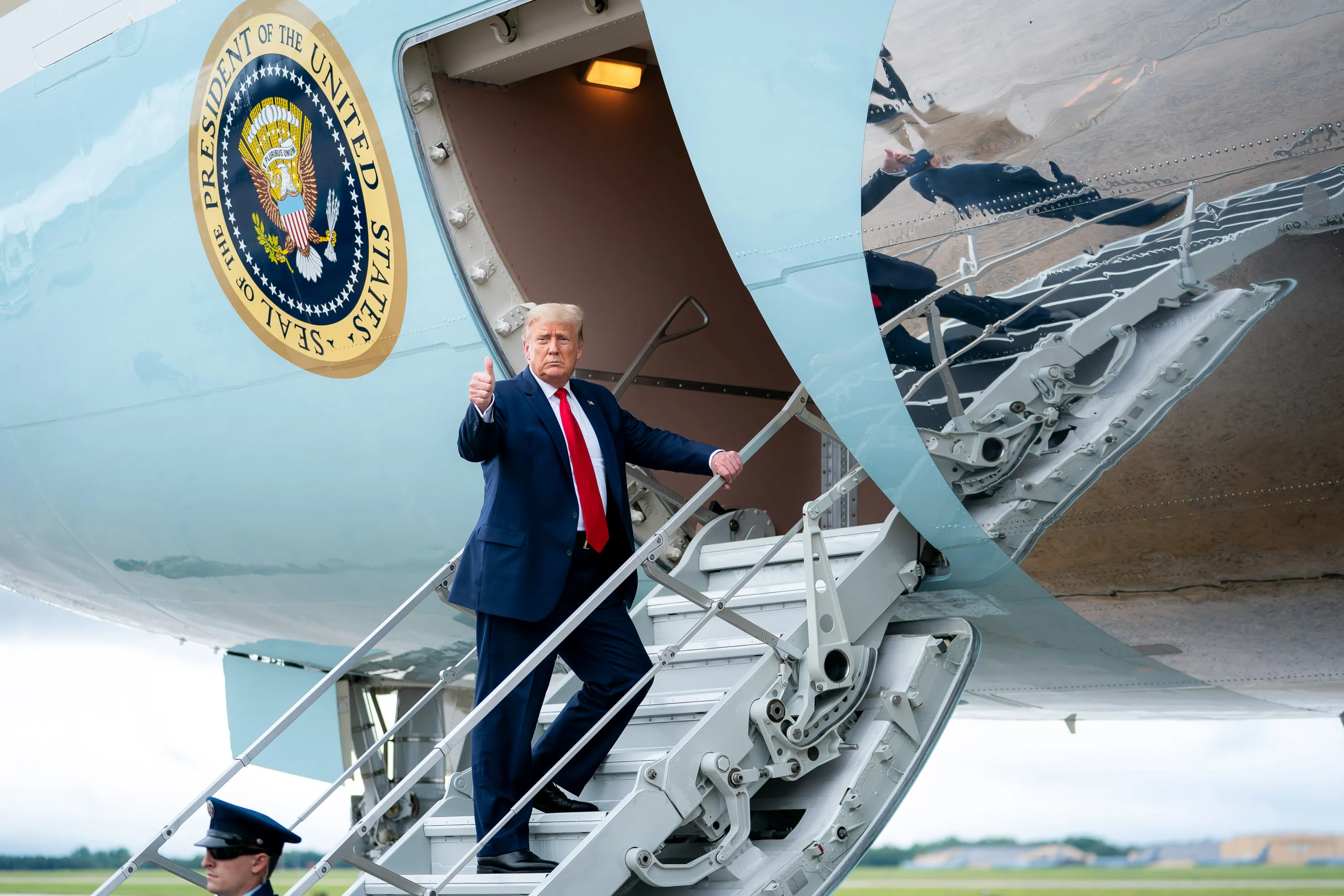
The switch happened on July 8, 2026, in Ankara. Trump boarded the older Air Force One plane in front of TV cameras, then was moved to a military aircraft with the help of a catering truck BBC. The New York Times reported on July 10 that Trump had changed planes at the urging of the Secret Service, flying on the older Air Force One as a security precaution rather than the newer model The New York Times.
Journalists and some White House staff who were on Air Force One did not know the president had been moved BBC. The Washington Post reported that Air Force One was then used as a decoy — a plane meant to look like the president was still on board — which contradicted what officials had said publicly at the time The Washington Post. CNN confirmed the plane transfer, getting its details from the presidential travel pool, the small group of journalists assigned to follow the president CNN.
Officials told the BBC's US partner CBS News that the United States had detected a credible Iranian threat to fire a missile at the plane BBC. Trump had said during the NATO summit in Ankara that he was Iran's "number one target" BBC.
Trump said the military jet he ended up on was at "greater risk" BBC. Former Secret Service agents described the plane swap as an extraordinary move to protect the president from an alleged assassination threat from Iran Time. Fox News reported that former Secret Service agent Bill Gage said the people left on the original plane "probably did face an elevated risk" Fox News. The Associated Press and PBS NewsHour also reported that Trump used the ruse to fly out of Turkey after the summit because of the Iran threat, and that questions have been raised about safety AP; PBS NewsHour.
The details of how the swap was carried out raise important questions. Using a catering truck to move the president between planes suggests a plan designed to fool anyone watching — hiding a critical movement inside ordinary airport activity. Using Air Force One as a decoy follows a long-standing security strategy: protect something important by sending attackers after a fake target. Think of a magician who waves one hand to distract you while the other hand does the real work. But leaving journalists and White House staff on the decoy plane introduces a hard question. Protecting the president means putting his safety first, but knowingly leaving other people on a plane that might be a missile target raises concerns about how much risk to others is acceptable.
Trump's claim that the military jet he boarded was at "greater risk" makes the picture more complicated. If the other plane was more vulnerable than Air Force One, then the Secret Service may have decided that tricking potential attackers was a better bet than relying on the plane's own defenses. The disagreement between these two ideas suggests the threat was changing fast, and the people on the ground had to make quick decisions.
The broader context here is the relationship between the United States and Iran. A credible threat to fire a missile at a presidential aircraft is a serious step up from normal security warnings. It means Iran either had a missile close enough to Turkish airspace to reach the plane, or had a way to intercept the president's flight path. The fact that this intelligence was taken seriously enough to trigger such an unusual mid-departure switch tells us how severe it was. How this event affects the ongoing tension between Washington and Tehran will depend on how confident the intelligence community is in its assessment and how much the administration is willing to share.