Why the Japanese Yen Just Took a Big Hit Against the Dollar
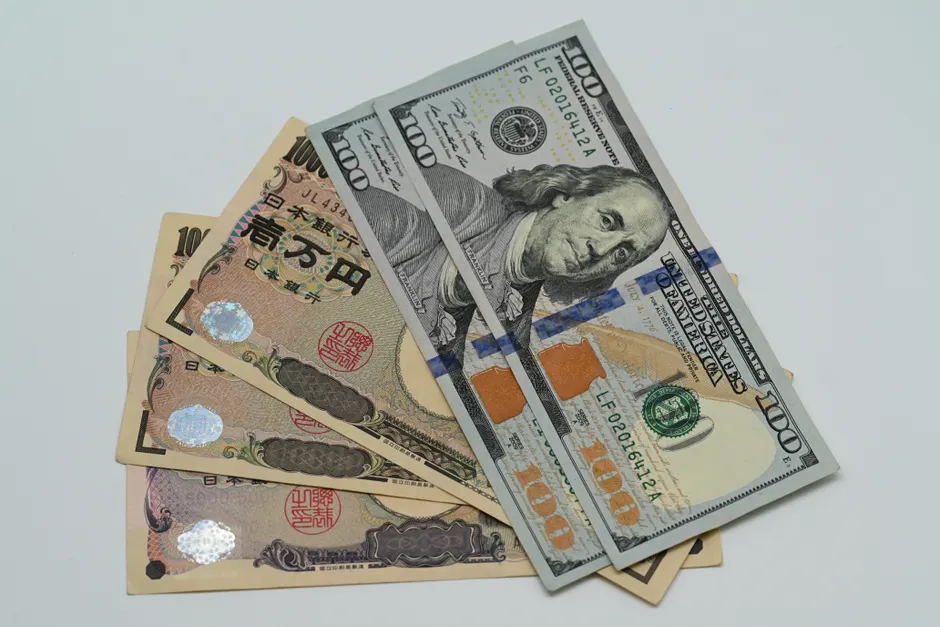
The Japanese yen fell 0.84% to 159.14 per dollar on August 10, 2026, its steepest daily decline in nearly five months, according to Reuters. The US dollar index, which tracks the dollar against a group of major currencies, rose 0.20% to 99.80. Traders were adjusting their positions ahead of the next US inflation report, and the dollar had been sitting near a two-month low before this bounce.
The yen sell-off was not just about fresh trades. Data from the Commodity Futures Trading Commission for the week to August 4, 2026 showed that bets against the yen, known as short positions, dropped by $8.865 billion to $3.604 billion, the largest reduction in the period covered, as reported by CNBC. A short position is a bet that something will go down in value. Many traders had been betting the yen would fall, and they dialed those bets way back before August 10.
The broader context here matters. Think of it like a spring: when lots of traders are betting against a currency and then something pushes the currency up, those traders have to buy it back quickly, which pushes the price even higher. That is called a squeeze. Because so many traders had already closed their bets against the yen, there were fewer left to squeeze. So when the dollar strengthened, the yen had less natural support and fell further. The dollar index at 99.80 remains weak by historical standards, and the yen's slide to 159.14 puts it back in territory that has historically caught the attention of Japanese authorities, who have intervened before.
US inflation data has been the biggest force moving the dollar this year. The January 2026 report showed prices up just 0.2% on the month, with core inflation (which excludes food and energy) up 2.5% year-on-year, its smallest annual gain in nearly five years, per Reuters. That was a reassuring reading. By May 2026, the picture changed: inflation rose more than expected to 3.8% year-on-year, and markets gave up on the idea that the Federal Reserve would cut interest rates. By June, economists were forecasting an even higher 4.2% year-on-year jump, which would have been the largest annual rise since April 2023, according to Reuters.
Why does US inflation matter for the yen? The Bank of Japan has kept interest rates very low for years. When US inflation runs hot, the Federal Reserve is less likely to cut rates. That means the gap between US and Japanese interest rates stays wide, and investors prefer holding dollars because they earn more. That pushes the yen down. When inflation cools and rate cuts look likely, the yen tends to recover. The August 10 move, with the dollar rising and the yen falling, fits with markets expecting firmer inflation data or protecting themselves against that possibility.
Elsewhere in Asia, the Monetary Authority of Singapore has kept its policy unchanged. In its January 29, 2026 statement, MAS said it would maintain its current approach and projected core inflation to average 1.0–2.0% in 2026, per MAS. Singapore's policy tool is a trade-weighted basket of currencies called the S$NEER, which stood at 141.39 on May 1, 2026, down slightly from 141.62 on April 10, according to MAS exchange rate data. The small shift is consistent with holding steady, not changing direction.
Bloomberg's 2026 investment outlook, published in January, suggested the dollar might weaken early in the year and then recover later, while European currencies could decline as their central banks cut rates, as reported by Bloomberg. The dollar's August 10 bounce fits that pattern, though one day's move does not confirm a trend.
The immediate question for markets is whether the next US inflation report backs up the dollar's recovery or gives the yen a break. The big positioning shift has already happened. What is left is the inflation data itself. Until that lands, the yen at 159 is being driven by trading mechanics, not a clear view of where it is headed.


