India's Yulu Just Raised $93 Million to Put 200,000 Electric Bikes on the Road
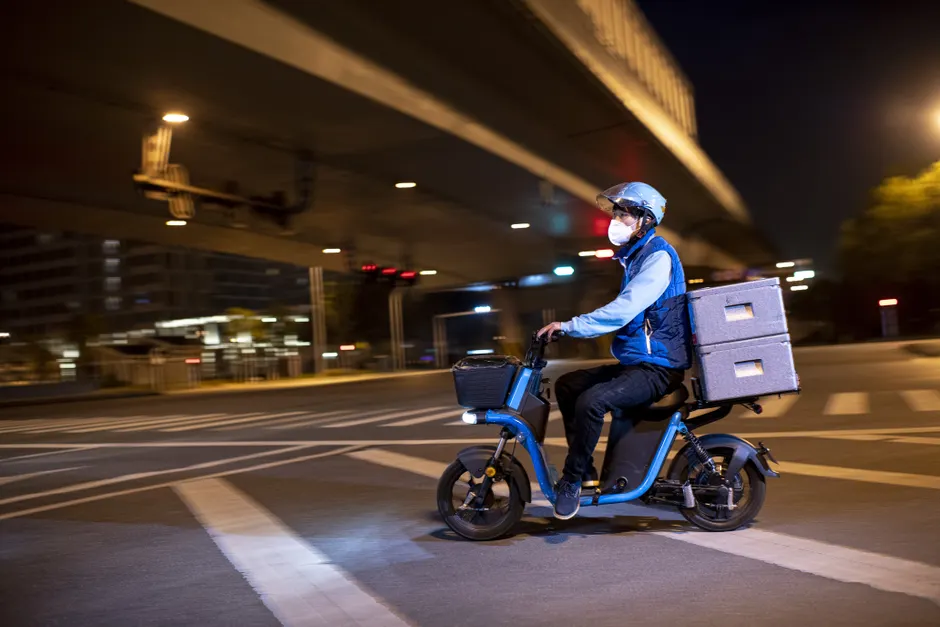
Indian electric bike company Yulu has raised $93 million in new funding, money it plans to use to grow its fleet from 50,000 to 200,000 electric two-wheelers within two years. The funding round was led by GEF Capital Partners and included $63 million in equity (selling ownership shares) and $30 million in debt (borrowed money), valuing the company at about $170 million (TechCrunch).
The way the deal was put together is worth noting. About $5.5 million of the equity went toward buying out early investors whose funds were winding down. This is a common move that simplifies who owns the company before a potential public stock listing, which CEO Amit Gupta says this round may be the last step before. Going forward, Yulu plans to pay for new vehicles mainly through loans and leasing rather than selling more ownership shares, an approach that makes sense because the company earns steady weekly rental income that can reliably cover loan payments.
Yulu currently runs about 50,000 electric vehicles across 12 Indian cities, logging 1.6 million miles per week and supporting more than 750,000 deliveries each day. The company runs its own operations in Bengaluru, Mumbai, Delhi-NCR, and Hyderabad, with franchise partners in eight other markets. It aims to reach about 20 cities within the next year, with Chennai and Pune named as key expansion targets.
The business is heavily focused on one thing. About 95% of Yulu's revenue comes from renting electric bikes to gig delivery workers on weekly subscription plans. The remaining 5% comes from a station-based rental service in Bengaluru. Yulu partners with nearly every major quick-commerce, food-delivery, and e-commerce platform operating in India, including Amazon and Walmart-owned Flipkart.
Founded in 2017 as a consumer bike-sharing startup, Yulu found its strongest growth during the COVID-19 pandemic as food and grocery delivery demand surged. The company later dropped a plan to sell bikes directly to consumers, focusing instead on the gig-worker rental model. Revenue grew seven-fold between fiscal 2023 and fiscal 2026. Yulu turned profitable on an operating basis (EBITDA) in the last financial year and expects to reach full profitability before interest and taxes next year.
The funding round came together over time. Earlier reporting from April 2025 indicated Yulu was targeting $75-80 million (Economic Times; Inc42), with some reports citing discussions for up to $100 million. The company had raised $19.25 million from existing investors in February 2024 as an initial portion (Yulu press release), and a November 2024 blog post indicated plans for a $100 million round to put 100,000 vehicles on the road (Yulu blog). The final $93 million figure landed within that range, though the 100,000-vehicle target has since been replaced by the larger 200,000-vehicle goal.
A large portion of the new money will fund a new type of vehicle. Yulu is introducing the Yulu Express, a full-sized, faster electric scooter designed for longer-distance e-commerce deliveries, bike taxis, and express parcel services. About a third of the planned 200,000-vehicle fleet will be Yulu Express units. Yulu's existing low-speed bikes are made by Bajaj Auto, while the new faster scooter comes from a different Indian manufacturer that has not been named. About 500 Yulu Express bikes are already operating in Bengaluru, with trials underway in three additional cities.
Two existing investors, Bajaj Auto and Magna International, chose not to put more money into this round. Magna had led Yulu's previous major funding round, an $82 million equity raise in September 2022 (Yulu press release). GEF Capital Partners steps in as the new lead investor, bringing a different set of backers into a company whose co-founder and CTO Naveen Dachuri has been scaling hardware operations alongside manufacturing partner Bajaj.
The broader context here is a real change in how Indian cities handle deliveries. Quick-commerce platforms promising 10-30 minute delivery windows have created steady, heavy demand for low-cost electric two-wheelers. Yulu's model essentially solves a problem for gig workers: instead of having to buy their own e-bike, they rent one for a weekly fee, and Yulu handles battery swapping and maintenance. Think of it like leasing a car, but for delivery scooters and on a weekly basis. At a 35-40% share of the urban markets it serves, with a goal of reaching 60-70% of India's last-mile delivery demand, Yulu is building on proven demand rather than speculation.
In my view, the path to a public listing carries real risks. Scaling from 50,000 to 200,000 vehicles in 24 months requires manufacturing capacity, enough battery-swap stations, and fleet usage rates that hold up in newer, less-tested cities. The shift toward borrowing money for future growth is financially sensible for an asset-backed business, but debt can pile up fast if fewer riders rent bikes during an economic downturn. That said, Yulu has already shown financial discipline: positive operating profit, seven-fold revenue growth in three years, and revenue concentrated in a segment with lasting demand. The company's bet is that quick-commerce is not a passing trend but a permanent part of Indian urban life. The $93 million will test that bet at a much larger scale.


