An Indian Electric Scooter Startup Just Raised $120 Million — Here's What It Plans to Do With It

Indian electric scooter startup River announced a $120 million funding round on August 5, 2026, bringing the total money it has raised since its founding in 2021 to $144 million. The round was led by Indian investment firms Elev8 Venture Partners and Claypond Capital, with several other Indian funds joining, along with returning backers Yamaha Motor, Al-Futtaim Group, and Mitsui. Almost all of the money was equity (ownership stake) rather than loans, and it was all new money going into the company, not a cash-out for earlier investors. (TechCrunch)
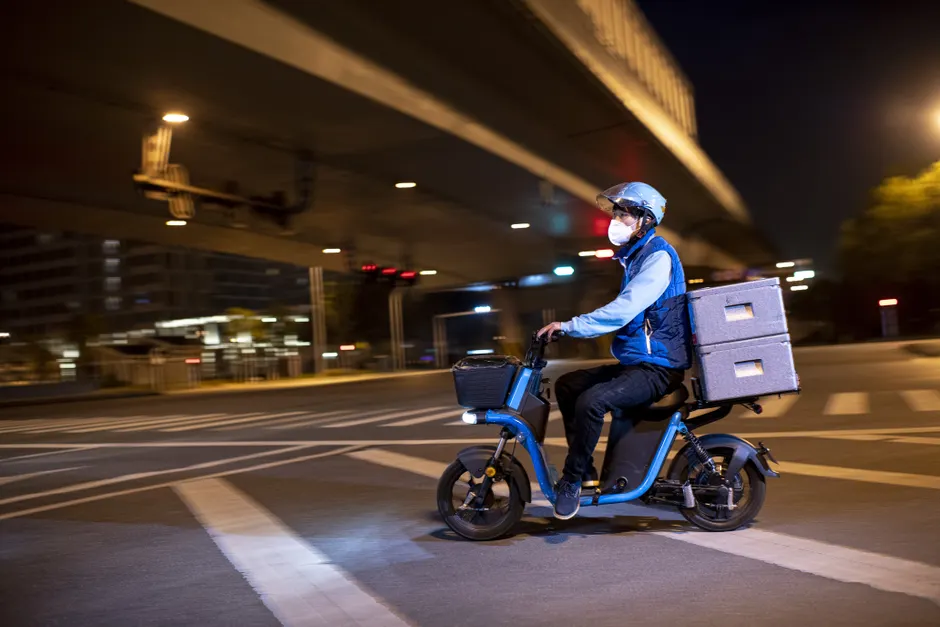
River has built its entire business around one vehicle: the Indie, an electric moped launched in 2023. It costs about ₹155,000 (roughly $1,630) and can travel about 99 miles on a charge. The company now sells about 6,000 vehicles a month through more than 75 stores across India and has sold over 50,000 units in total. Production has grown from 20 vehicles a day to 300 a day. Revenue grew 330% in the fiscal year ended March 2026, with monthly revenue reaching about ₹1 billion (around $11 million). (TechCrunch)
River's first factory, on the outskirts of Bengaluru, can produce about 10,000 vehicles a month after recent upgrades and is nearly running at full capacity. The company plans to start building a second factory within two months, with the first phase expected to open by mid-2027. At full scale, the second facility could produce 700,000 to 800,000 vehicles a year. On the retail side, River plans to grow from more than 75 stores today to over 200 by March 2027 and roughly 400 by March 2028. Two new vehicle models are planned starting in 2027. (TechCrunch)
River's CEO Aravind Mani has said the company expects to reach profitability once it builds 20,000 to 25,000 vehicles a month, a target it aims to hit by fiscal 2028–29. The typical River customer is a self-employed person aged 28 to 35, which fits the Indie's design as a practical work vehicle for small-business owners and gig-economy workers rather than a high-end commuter product. (TechCrunch)
The way this round was put together tells you something about the company's plans. Because almost all of the $120 million is new equity going directly into operations, the money is meant to fund growth, not to reward early investors. River has spent roughly $24 million in prior funding to reach 50,000 units sold and ₹1 billion in monthly revenue. The Series C money is designed to pay for a much bigger leap: a second factory, three times as many stores, and additional vehicle models, all before the company turns an operating profit.
The challenge is straightforward but steep. River's current factory tops out near 10,000 vehicles a month. The break-even target requires roughly doubling or tripling that. The second factory, even in its first phase, is designed for an annual capacity far larger than what River produces today. Whether enough customers will buy at that scale is the key question. The 330% revenue growth is encouraging, but it came from a small starting point.
The broader context here is that River is not alone. The Indian electric two-wheeler market includes other funded startups as well as large, established manufacturers with decades of brand recognition and extensive dealer networks. River's approach of starting with one practical, affordable moped before expanding its lineup is a strategy we have seen before in other industries. But the gap between now and the 2027 model expansion means the company is leaning on a single product while simultaneously building out factories and stores at a rapid pace.
The return of Yamaha Motor, Al-Futtaim Group, and Mitsui as investors lends industrial and distribution experience. Meanwhile, the lead investors and new participants in this round are all Indian, which fits a growing trend of domestic capital funding later-stage Indian startups, especially in sectors tied to India's own market and regulations.
River's path forward is expensive and time-sensitive. The new factory must open, the retail network must roughly triple within twelve months, and two new models must enter production in 2027, all while revenue keeps growing toward a break-even point the company does not expect to reach until 2028–29. The $120 million gives the company the runway to attempt all of that. Whether it is enough is a question the next eighteen months will answer.