A Boat Sank on Lake Kariba in Zimbabwe — Here's What We Know

A boat carrying more than 90 people flipped over on Lake Kariba in northern Zimbabwe on Tuesday, August 11, 2026. Multiple people are feared dead and rescue operations are still under way. The Zimbabwe Republic Police confirmed the incident and said the boat was carrying 90 passengers and five crew, though it may have been carrying too many people. Police said they would release more details, including how many people died and how many were rescued, as the operation continues. (BBC)
How many people were actually on the boat is unclear, and the different numbers matter. Police say 95 people were on board (90 passengers plus five crew). But the AP news agency quoted Zimbabwe's Civil Protection Unit (a government disaster response agency) as saying that ticket sales showed 114 adults were on board, with possibly some children who were too young to need tickets. If that count is right, the boat was carrying far more people than police say, which raises questions about whether anyone was checking how many passengers were allowed on. (BBC)
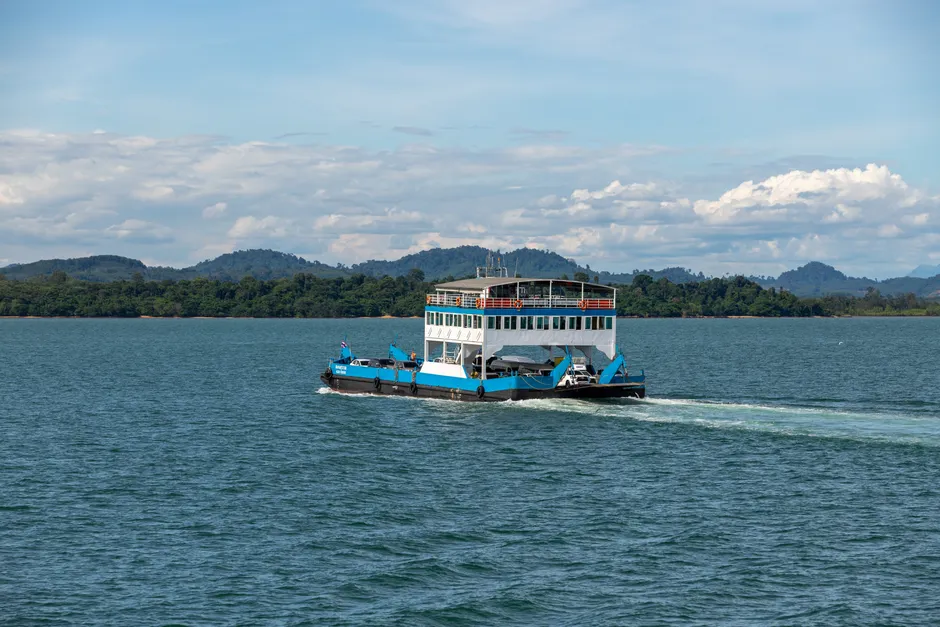
The boat belonged to a government agency called the Rural Infrastructure Development Agency (RIDA), according to ZBC News. (ZBC News) A local member of parliament, Mutsa Murombedzi, posted a video on X showing the boat at the start of its journey. She explained that locals use it to cross the lake to reach Kariba town, a trip that takes about five hours. The route is a regular transport link for communities living along the lake.
A witness who spoke to AFP said the boat left in the morning in bad weather and may have been hit by a large wave that caused it to flip. ZBC News reported that a strong wave hit the boat and caused water to fill the engine room about a kilometre from Andorra Harbour. It looks like several problems combined: bad weather, possibly too many people on board, and water getting into the engine. No single problem might have been enough to sink the boat on its own, but together they may have overwhelmed it. (BBC; ZBC News)
Early reports on August 11 said at least five people were feared dead and three had been rescued. By August 12, Al Jazeera reported the death toll had risen to at least 15. The changing numbers reflect how hard it is to confirm deaths on a large lake with poor visibility and difficult conditions, especially in the early hours of a rescue. (ZBC News; Al Jazeera)
Lake Kariba sits on the border between Zimbabwe and Zambia and is one of the largest artificial lakes in the world. It is used for transport, fishing, and generating electricity for both countries. Because the lake is so important economically, boats of all sizes and safety standards operate on it, serving communities that rely on lake travel to reach towns, markets, and services. The five-hour trip to Kariba town shows how far people travel and how dependent they are on boats that may not meet the safety standards of commercial ferries.
The mismatch in passenger numbers, if confirmed, points to a common problem in boat accidents across the region: people who buy tickets are counted, but others, often children, travel without being recorded. This makes rescue efforts harder and makes it difficult to hold anyone accountable afterward. The Civil Protection Unit's mention of "an unknown number of children below ticketing age" is especially worrying, because children are the most vulnerable in a capsizing and the hardest to find during recovery.
The fact that this was a government agency's boat, not a private operator, also raises questions. If the vessel belonged to a state agency, there should be clear standards for maintenance, passenger limits, and decisions about whether to sail in bad weather. Whether RIDA had rules for cancelling trips in rough conditions, and whether those rules were followed, will likely be a key part of any investigation.
The broader context here is one Zimbabwe has faced before. The country has had major lake and river accidents in the past, and each one led to calls for stricter rules on passenger limits, mandatory life jackets, and bans on sailing in bad weather. Whether this tragedy leads to lasting change or is followed by temporary measures that eventually fade away depends on political will and funding that go beyond the rescue itself.
For now, the situation is still changing. Rescue teams are at the site, the death toll is uncertain and rising, and the total number of people on the boat has not been confirmed. The gap between 95 (the police figure) and 114-plus (the ticketed figure) shows just how much is still unknown.