A Ferry Sank on Lake Kariba. Here's What We Know.
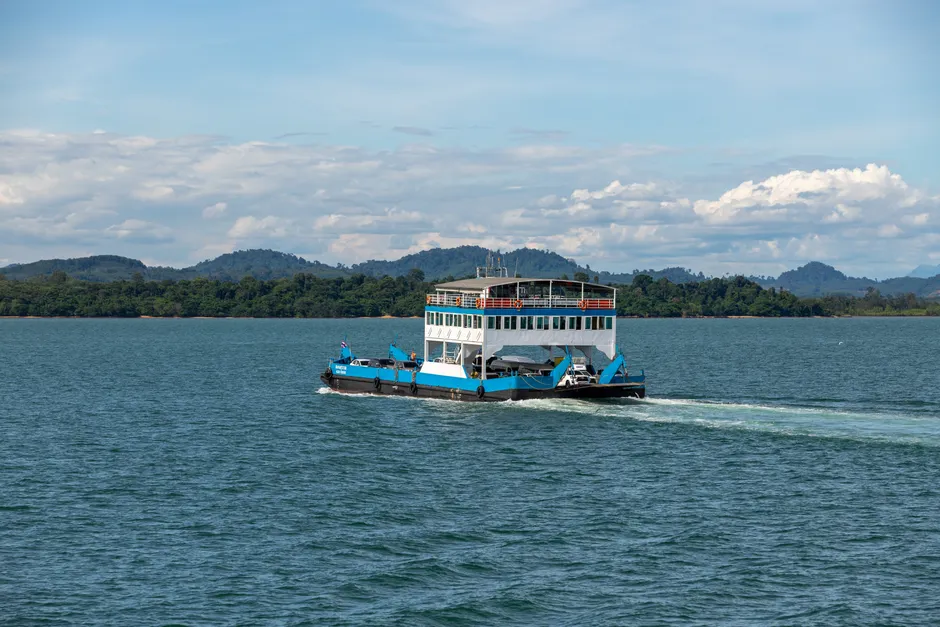
At least 44 people died when a passenger ferry carrying too many people flipped over on Lake Kariba in Zimbabwe in August 2026. The government declared a State of Disaster to help with rescue and recovery efforts.
The Zimbabwe Republic Police said the boat was carrying about 90 passengers when it overturned on the lake. Zimbabwe's national disaster management agency first said 15 people had died and 27 were missing. But that number climbed quickly as rescue teams kept working, reaching at least 44 by August 12, 2026. Police later said more than 90 people were feared dead in total. That number is higher than the known passenger count, which means either the official passenger list was wrong or extra passengers were on board without being recorded. At least 53 people were rescued from the water, according to SABC News.
Survivors said they begged the crew to turn back before the ferry flipped. That detail suggests the weather or water conditions were getting worse and that people on board knew the boat was in danger before it was too late. A surviving crew member, Anyway Chambati, said some people survived by climbing on top of the overturned ferry's hull — the outer shell of the boat — and waiting there for rescue.
Lake Kariba is one of the largest human-made lakes in the world, sitting on the border between Zimbabwe and Zambia. Ferries on the lake are a lifeline for people and goods in areas where roads are poor or don't exist. Carrying too many passengers is a common danger on lakes and rivers across the region. Safety rules are not always enforced, and boat operators have a strong financial incentive to pack as many people and as much cargo as possible onto each trip. The exact cause of this capsize has not been officially determined, but the confirmed overcrowding and survivors' accounts of worsening conditions paint a picture of what likely happened.
When a government declares a State of Disaster, it opens up emergency funding, staff, and equipment for the rescue effort. It also signals that local authorities alone can't handle a crisis of this size. If the police estimate of more than 90 dead turns out to be accurate, this would be one of the deadliest ferry accidents on an African lake in recent years.
The gap between the first reported numbers and the much higher death toll is common in the early hours of a disaster on a remote stretch of water. Early counts usually include only confirmed deaths and people known to be missing. As rescue teams reach the area and compare survivor stories with any passenger records they can find, the numbers tend to go up. In this case, the count jumped from 15 confirmed deaths to at least 44 in about 24 hours, and police said the final number could still rise.
The bigger question is why the recorded passenger count of 90 appears to be lower than the number of people feared dead. On many ferry routes in this part of the world, people board informally — without being added to an official list. That means the real number of passengers is often higher than what's written down, which makes rescue planning harder and accountability after a disaster more difficult.


