Google's Pixel Buds Are Getting Smarter: Voice Controls, Better Noise Blocking, and Sleep Detection
Google announced on August 12, 2026 that its Pixel Buds Pro 2 and Pixel Buds 2a wireless earbuds will receive a software update in September. The biggest change is deeper integration with Gemini, Google's AI assistant, which will let you change volume and sound settings just by asking out loud. Engadget
The most interesting new feature for the Pixel Buds Pro 2 is something called dynamic noise cancellation. Most noise-canceling earbuds use a fixed setting that blocks sound the same way all the time. But earbuds have a common problem: when you move, talk, or chew, the rubber tip can shift slightly in your ear, letting outside noise sneak back in. Dynamic noise cancellation detects that shift and adjusts itself on the spot to keep blocking noise. The Pro 2 already uses Google's Tensor A1 chip, which the company says cancels twice the noise of the previous generation, and the earbuds have a twist-to-adjust mechanism for choosing between a loose and a snug fit. The new dynamic feature works on top of that physical adjustability. Engadget
Both the Pro 2 and the 2a will get the deeper Gemini integration. Beyond volume and sound settings, the assistant acts as a go-between for you and the earbuds' audio system. Google's idea is that instead of digging through a phone app to change settings, you can just say what you want conversationally. Engadget
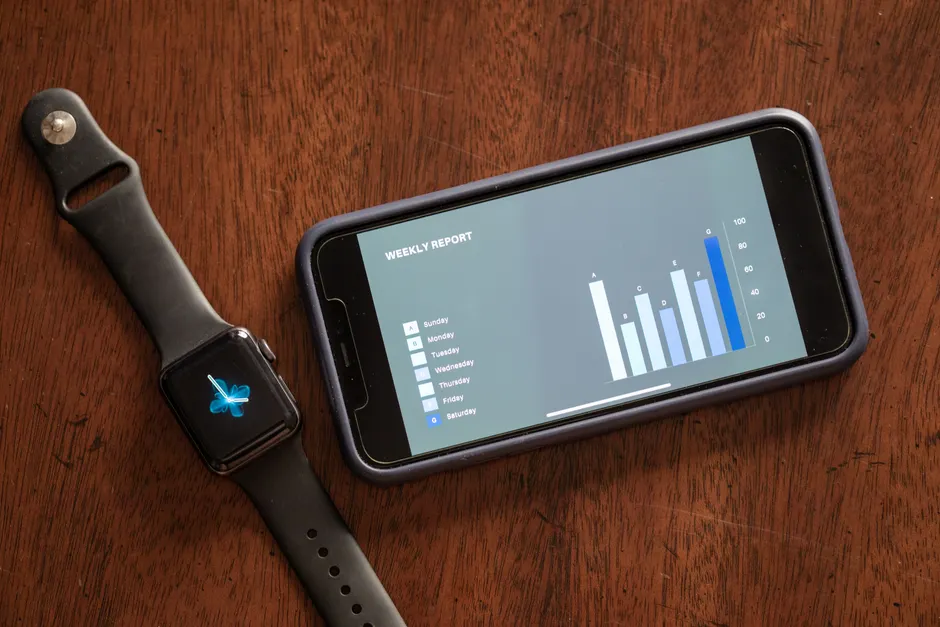
A new feature links the earbuds with Google's Pixel Watch. When the watch detects that you have fallen asleep, it pauses your music and turns off notifications automatically. For anyone who listens to music or podcasts while falling asleep, this solves a common annoyance: waking up hours later to a dead battery and a playlist that ran all night. Engadget
The live translation feature now supports over 70 languages, and you start it by tapping the earbuds. This works on both the Pro 2 and the 2a. Google had previously shown off a feature that reduces background noise for Pixel Buds at an event in August 2025, and the translation expansion builds on that same on-device AI processing. Engadget TechCrunch
The Pixel Buds 2a launched in August 2025 and were the first lower-cost A-series buds to include noise cancellation. They use the same Tensor A1 chip as the Pro 2. The 2a offers up to 12 hours of listening time on the earbuds themselves and up to 48 hours total with the charging case. The Pro 2 offers up to 30 hours of total listening time with its case. Google Blog Google Store Google Store
Google also introduced a new olive-green color option for the Pixel Buds Pro 2, with preorders open at the time of the announcement. Engadget
The bigger picture here is that Google is treating earbuds as part of a connected system rather than just a pair of headphones. Volume and sound control by voice is not a new idea on its own. What matters is how the pieces fit together: the watch detects sleep, the phone or cloud handles translation, and Gemini ties it all together. Apple's AirPods have long focused on smooth handoffs between devices. Google's approach leans more on having an AI assistant actively make changes that used to require tapping through menus yourself.
The dynamic noise cancellation is the feature most worth watching. The idea of adjusting noise cancellation when the earbud shifts is not new, but how well it works varies a lot between brands. Whether Google's chip can detect and fix the shift quickly enough, and whether the correction sounds smooth or introduces odd audio glitches, will determine if the feature is genuinely useful or just a marketing line. The September update will answer that question.
There is also the question of speed. Voice-activated sound changes depend on Gemini understanding the command and applying it fast enough to feel responsive. If it takes too long, people will go back to adjusting things by hand. Google's choice to route these commands through Gemini rather than a simpler, faster system suggests the company believes the flexibility of natural language is worth the tradeoff.
The 70-language translation expansion is a real step up, and tapping the earbuds to start it keeps things simple. Combined with the background noise reduction Google showed last year, the translation feature is becoming one of the more genuinely useful AI tools in the earbuds space.
For now, the updates are announced and coming in September. The hardware is already in people's hands; these are software improvements to existing products. That matters: Google is adding value to devices customers already own instead of requiring them to buy something new.