Apple's Next iPhones Are Coming in Two Batches Instead of One
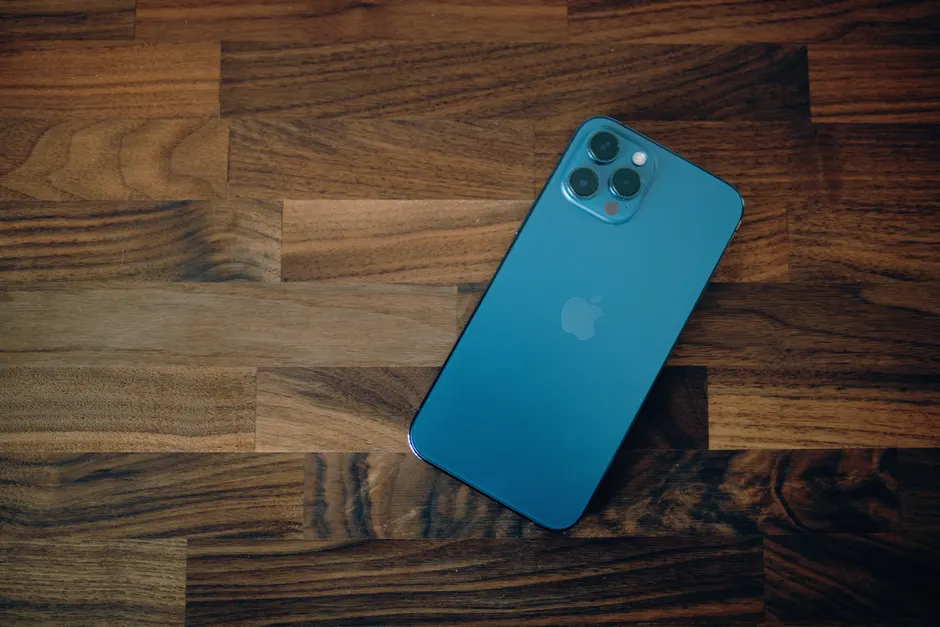
Apple's next iPhone lineup will not arrive all at once. According to Pegatron, one of the companies that helps build iPhones, the higher-end iPhone 18 Pro models will launch this fall, while the less expensive regular iPhone 18 won't come out until early next year. The news was first reported by Taiwan's Economic Daily News and surfaced by MacRumors, and it matches earlier reporting from analyst Ming-Chi Kuo and The Information.
This fall's launch will focus on Apple's most expensive phones. MacRumors expects the iPhone 18 Pro and iPhone 18 Pro Max to arrive alongside the iPhone Fold, a long-rumored foldable device reportedly branded as the "iPhone Ultra," in September 2026. MacRumors points to Wednesday, September 9, 2026 as the most likely announcement date. The regular iPhone 18, a budget model called the iPhone 18e, and the iPhone Air 2 are expected to be announced around March 2027 instead, according to MacRumors.
This breaks a long-standing habit. Since 2014, when Apple introduced the iPhone 6 and iPhone 6 Plus, the company has announced all of its new iPhones at a single September event and shipped them within weeks of each other. Splitting the lineup across two events six months apart is a departure from that pattern, and it suggests Apple is willing to treat its premium and budget phones as separate product lines with their own release schedules.
Pegatron executives blamed the split schedule on shortages of memory chips and other components. When parts are scarce, companies like Apple prioritize the models that make the most money per phone. Another Apple supplier said earlier this year that one of its customers was postponing a phone launch to early 2027, as The Verge reported in June. The supplier did not name Apple at the time, but the timing matches what Pegatron has now confirmed.
The strategy is straightforward from a business perspective. Premium iPhones bring in more profit per unit, and getting them on shelves before the holiday shopping season captures the biggest sales window of the year. The less expensive models, which earn thinner profit margins, move to March 2027, where they won't compete for attention against Apple's own high-end phones. The foldable adds another layer of complexity, since foldable screens and hinge parts draw on the same advanced manufacturing resources as other premium components.
Apple has not officially confirmed any of these dates or the staggered schedule. The information comes from supplier executives speaking on earnings calls and from analyst reporting over the past year. Apple typically sends out invitations to its fall event in late August or early September.
Two things stand out when you look at the full picture. The component shortage explanation is not new. Apple faced similar disruptions during the 2020 and 2021 launch cycles, when COVID-related supply problems forced the company to stagger iPhone 12 shipments by several weeks. What is different this time is that Apple appears to be deliberately spreading releases across two quarters rather than simply delaying everything by a few weeks. The foldable phone also seems to be part of the reason. Earlier reporting from The Verge noted that staggering the lineup could give the foldable its own moment in the spotlight, rather than sharing the stage with a full set of standard iPhones.
For people who make iPhone accessories, this means two busy seasons instead of one. Case manufacturers, for example, will need to prepare for the foldable phone in September and then get ready again for the base iPhone 18 and iPhone Air 2 in March. Companies that buy iPhones for their employees on a yearly upgrade cycle may need to decide whether to go with the Pro models this fall or wait for the full lineup, including the cheaper options, in 2027.
The foldable iPhone Ultra arriving alongside the Pro line gives Apple its most varied fall iPhone lineup in years. Whether the split launch becomes a permanent change or is just a one-time response to supply problems will become clearer once Apple sets its plans for 2027.


