Inflation Barely Moved in July 2026 — Here's Why That Matters
The U.S. Bureau of Labor Statistics reported on August 12, 2026 that consumer prices rose just 0.1 percent in July, a big slowdown from June, when prices actually fell 0.4 percent. Over the past year, prices are up 3.4 percent, down slightly from 3.5 percent the month before (BLS).
The Consumer Price Index, or CPI, is the government's main way of tracking how much everyday things cost over time. Think of it as a giant shopping cart — the government fills it with housing, food, gas, clothes, medical care, and more, then checks how the total bill changes each month. The Federal Reserve, which sets interest rates, watches this number closely. Their goal is to keep yearly inflation around 2 percent.
Housing costs went up in July, which is the main reason prices didn't fall again like they did in June (BLS). When rent and housing costs keep climbing, it makes it harder for overall inflation to come down. Fed officials pay attention to this because shelter is a big chunk of what people spend money on, and it tends to move slowly.
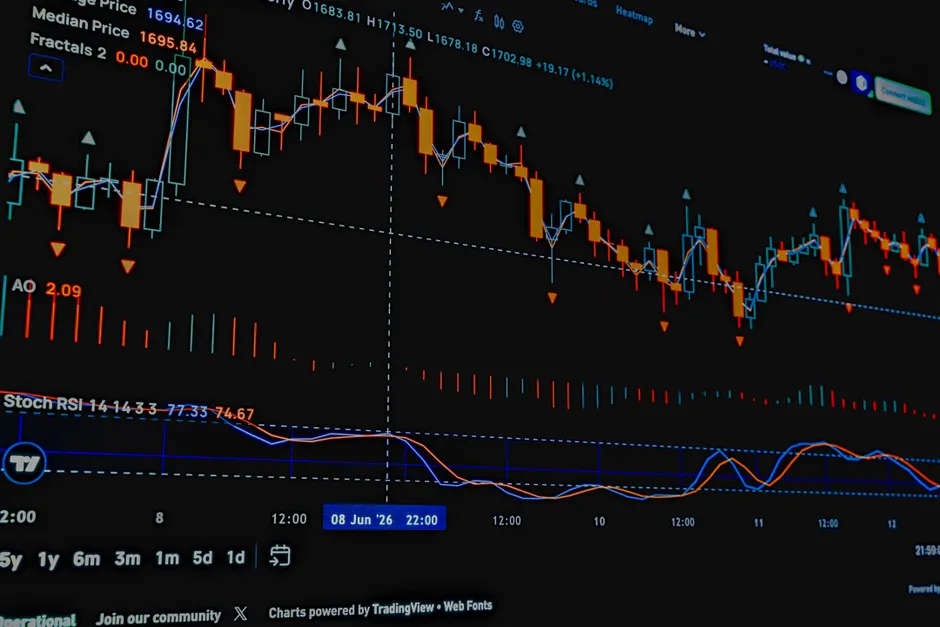
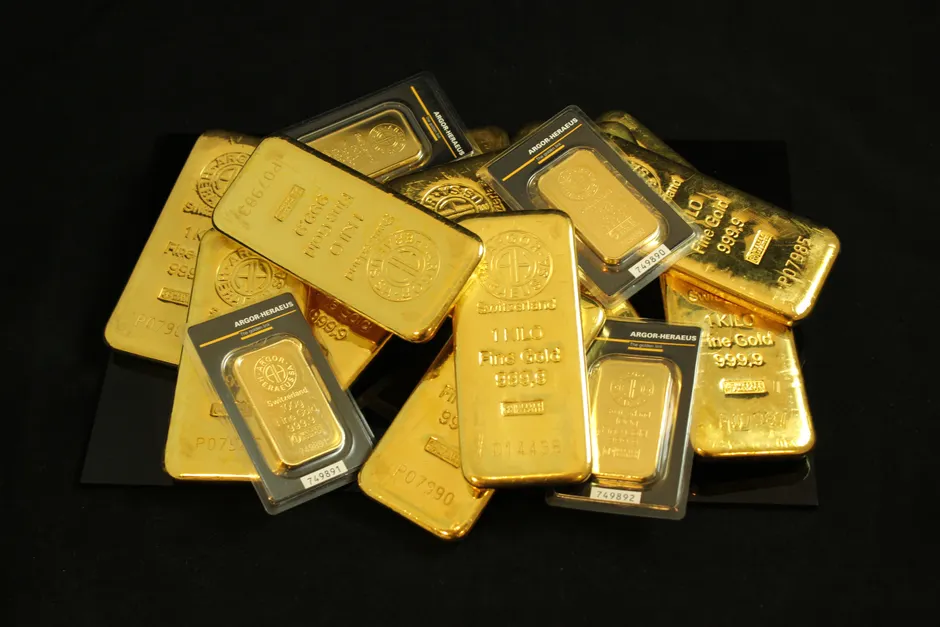
Gold's reaction was immediate. The price of gold rose 0.9 percent to $4,406.64 per ounce by 1:30 p.m. EDT on August 12, as the cooler inflation data made traders less worried about more interest rate hikes (Reuters). The day before, gold had fallen 0.3 percent to $4,376.31 as markets waited nervously for the numbers (Energy News).
Why does gold care about inflation? When the Fed raises interest rates, it costs more to borrow money, and savings accounts pay more interest. That makes gold — which doesn't pay interest — less attractive. So when inflation looks tame and rate hikes seem less likely, gold becomes more appealing and its price goes up.
To see how much this report changed things, look at where gold was in late June. Back then, spot gold sat at $4,008.94 an ounce, down 11.3 percent for the month and headed for its worst quarterly loss in 13 years because the Fed seemed determined to keep fighting inflation. U.S. gold futures dipped 0.4 percent to $4,022.70 that same session (CNBC). The jump from below $4,010 in June to above $4,400 in August shows how much the July CPI number shifted expectations.
The yearly inflation rate dropped from 3.5 percent to 3.4 percent — a small step, not a leap. It hasn't broken below 3 percent, and rising housing costs mean some categories of inflation are still stubborn. Fed Chair Jerome Powell's committee has reason to hold rates steady rather than raise them again, but 3.4 percent is still well above their 2 percent goal.
The next CPI report comes out Friday, September 11, 2026, at 8:30 a.m. ET, covering August prices (BLS). It will be the last inflation reading before the Fed's September 16-17 meeting, so it could play a big role in what they decide about interest rates.
Here's the practical takeaway. The trend of falling inflation is real but slow. If you're hoping for lower interest rates — say, a cheaper mortgage — don't count on that happening from one good month. The yearly rate at 3.4 percent is still high by historical standards. And if you own gold, know that its recent price swings — an 11.3 percent drop in June followed by a sharp August rebound — are being driven by changing expectations about the Fed, not by steady, long-term demand for the metal.