Inflation Just Dropped—Here's Why Markets Got Excited
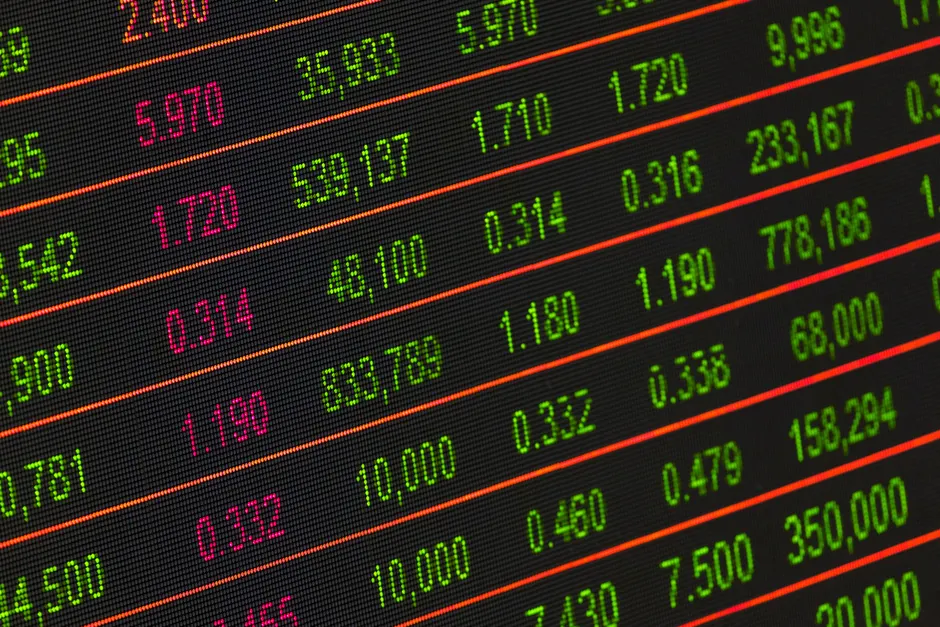
On July 14, 2026, the government reported that inflation fell 0.4 percent in June. Year-over-year, prices are rising at 3.5 percent, down from 4.2 percent the month before. That's a big move by inflation standards.
What happened? Mainly, energy prices dropped. Oil and gas got cheaper, pulling the overall inflation number down faster than expected. That matters to your wallet because energy costs ripple through everything else—groceries, shipping, heating.
Stock markets loved the news. The S&P 500 closed up 0.38 percent on July 14. The Nasdaq also gained. The day after, as the news sank in globally, U.S. futures rose another 0.8 percent and stocks around the world climbed higher. Even Canada's main stock exchange ended up on July 14.
Why? Lower inflation usually means the Federal Reserve won't raise interest rates as much as previously thought. Lower interest rates make borrowing cheaper and stock investments more attractive compared to bonds. So traders immediately bet that rate hikes were less likely coming.
Bonds and gold confirmed that reading. When traders expect fewer rate hikes, bond prices rise and yields fall. Two-year Treasury yields—bonds most affected by near-term Fed decisions—dropped on July 15. Gold also climbed 1.6 percent, closing at $4,069.70. Gold typically benefits when inflation expectations fall because it doesn't pay interest; lower rates make that trade-off less painful.
Not everyone cheered. European stock futures dipped 0.2 percent and London futures fell 0.3 percent the next day. Tensions between the U.S. and Iran also weighed on markets in parallel with the inflation news, a reminder that one piece of data doesn't move everything equally everywhere.
Here's the catch: this inflation drop leaned heavily on energy prices falling. If energy keeps dropping, great—disinflation sticks around. If energy prices stabilize or bounce back, and core inflation (the price of everything except food and energy) stays stubborn, then next month's data could look very different. One soft monthly number doesn't guarantee the trend continues. Traders betting big on rate cuts based on a single energy-driven print are taking a real gamble.