A Boeing 787 Crashed in India: What We Know and What Investigators Are Still Trying to Find Out

On June 12, 2025, an Air India flight crashed minutes after taking off from an airport in Ahmedabad, a city in India. The plane was a Boeing 787 Dreamliner, a large modern aircraft designed for long flights across oceans. It was heading to London when something went seriously wrong.
The aircraft carried 242 people — passengers and crew. Of those, 241 died in the crash. People on the ground near the airport were also killed or injured when the plane came down. Authorities confirmed at least 270 deaths in total, making it one of the deadliest aviation disasters in India's recent history.
What Happened in Those Final Moments
Investigators in India are now examining the wreckage and flight data to understand why the plane went down. An early report from India's Aircraft Accident Investigation Bureau — the government agency that investigates such crashes — has revealed one crucial detail: switches that control fuel flow to the engines changed position as the plane was taking off.
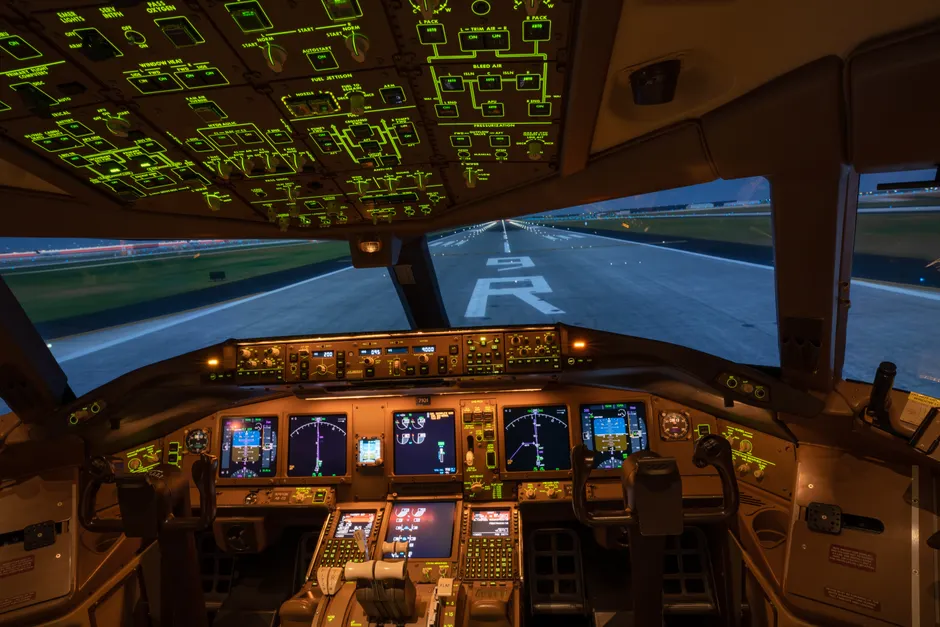
Think of fuel control switches like the on-off button for your car's engine, but far more sensitive. When pilots move these switches to the "off" position, they tell the engines to stop receiving fuel. The 787 has two large engines. If both engines suddenly lose fuel during takeoff — when the plane is climbing and needs maximum power — it loses thrust and falls.
According to Reuters, the plane began losing height before it even cleared the airport boundary. That tells investigators the engines may have lost power at exactly the worst moment: when the aircraft had just lifted off and was at its most vulnerable.
Why This Matters Right Now
Here's what we don't know yet — and what matters most: Did a pilot accidentally bump the fuel switches? Did a mechanical part break and move the switches on its own? Or was there an electrical fault sending a wrong signal?
Each of those possibilities points to a very different problem. If it was pilot error, that raises questions about training. If a part broke, Boeing needs to know because over 1,000 of these aircraft fly around the world every day. If it was an electrical fault, that could affect many planes across the global fleet.
Investigators have the flight data recorder — the box that records everything the engines and systems did — and the cockpit voice recorder, which captured conversations between the pilots. These tools will help recreate exactly what happened, second by second. But analyzing that data takes time.
What Happens Now
India's Directorate General of Civil Aviation, the country's aviation safety regulator, ordered Air India to run extra safety checks on its fleet. The airline temporarily reduced its long-distance flights by 15 percent while those inspections took place, according to Britannica. That step shows the checks were serious, not routine.
The investigation is following international rules that govern how countries study aviation accidents. The United States, through its National Transportation Safety Board, is participating because Boeing is an American company. Britain's Air Accidents Investigation Branch is involved because the plane was headed to London. The Indian investigators are leading the effort.
The Broader Context
India's aviation sector has been expanding rapidly. Air India, now owned by a major Indian company, has been buying new, modern aircraft and growing its international routes. An accident during this expansion creates extra pressure — not just on the airline, but on India's aviation regulator and on how the world views India's ability to oversee air travel safely.
It's worth understanding that preliminary reports like the one the Indian investigators released are not final conclusions. They present the facts they've found so far. The real causal analysis — the "why" — comes later, after months of detailed work. We saw this pattern in other major crashes: investigators find a crucial detail early on, but the complete story doesn't emerge until the final report, sometimes a year or more later.
What We're Waiting For
Until investigators release more findings, the fuel switch movement is a documented fact — something they know happened — but not an explanation for why. The safety professionals tracking this crash — airline managers, engineers, and regulators — are treating it exactly that way: important information that frames the investigation, but not yet a cause.
The 270 people who died deserve both a thorough investigation and clear public answers about what went wrong. That process takes time, but it's happening now.