When the Israeli Military Fought Settlers Instead of Protecting Them

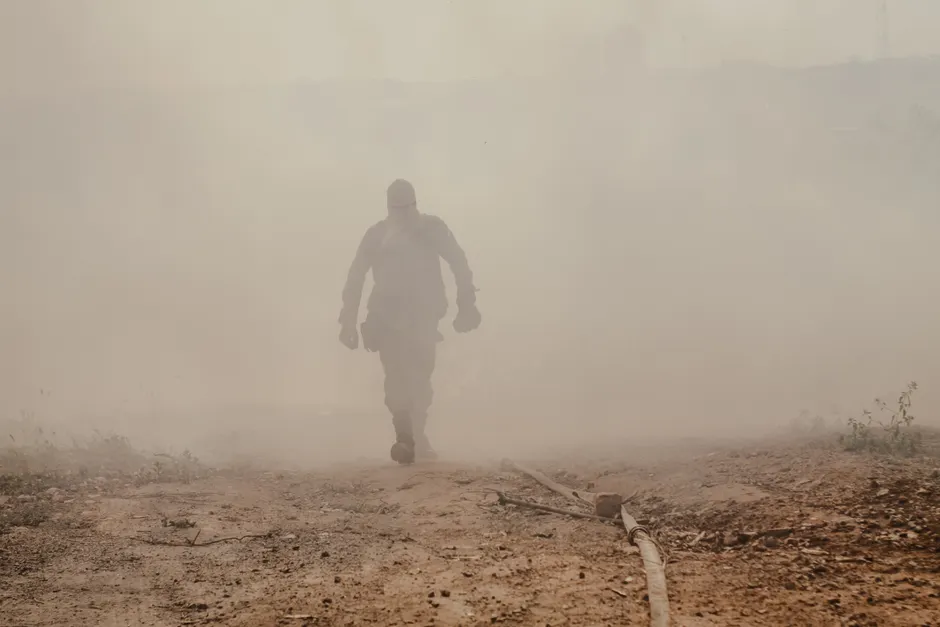
Israeli soldiers used tear gas and stun grenades against Jewish settlers in a West Bank village called Qusra on Wednesday, August 12, 2026. The settlers had been blocking two Palestinian families inside their homes since Sunday, cutting off their water and electricity. The soldiers were sent to remove the settlers. They could not. A larger group of settlers pushed back, and the troops left without clearing the outpost the settlers had built in front of the Palestinian homes (BBC).
This was unusual. The Israeli military almost always uses crowd-control weapons like tear gas against Palestinians, not against Jewish settlers. The situation was messy from the start. When the first soldiers arrived, they prayed with the settlers. The military later said those soldiers would face disciplinary action (BBC). Reuters separately confirmed that troops clashed with settlers while trying to break up the outpost (Reuters).
The settlers said their goal was to push Palestinian residents out of the area. The Guardian called the blockade of the two families a campaign of terror, reporting that settlers and soldiers cut off water, electricity, and medical care from the people trapped inside (The Guardian). The New York Times reported that the families had been trapped for days and pointed to what it described as growing chaos across the West Bank.
Qusra is a Palestinian village near several large Israeli settlements in the West Bank. The West Bank is territory that Israel captured in 1967 and has controlled ever since, though Palestinians want it for a future state. Settlements are communities that Israel has built on this land. Most of the world, including the United Nations, considers them illegal under international law, but the Israeli government has supported their rapid growth (Reuters).
The village's mayor, Abdel Azim Wadi, told the BBC that residents had seen a clear pattern of targeting Qusra. Last month, someone set fire to a newly completed mosque in the area and sprayed Hebrew graffiti nearby. The Israeli military said troops sent to Qusra found graffiti and signs of arson (Reuters). In July, settlers surrounded a Palestinian home in the nearby village of Jalud for more than two weeks. The owners eventually fled, and settlers took over the house (BBC).
The Qusra siege follows an even more violent episode in the village of Tal. After settlers attacked Tal, the clash that followed left six people dead: four Palestinians and two Israeli soldiers. The military arrested dozens of people and blocked roads across the West Bank afterward (Reuters).
The broader context here matters for understanding what is distinctive about Qusra and what fits older patterns. The military's decision to use force against settlers — instead of just condemning them or handing the case to police — shows how serious the situation was: settlers had physically blocked Palestinian homes for days and cut off basic necessities, creating a humanitarian crisis. But the operation's failure, the soldiers praying with settlers on arrival, and the quick gathering of a larger settler group to resist the military all point to limits on how far the IDF can or will go to remove settlers from land under its direct control in the West Bank.
The pattern across Qusra, Jalud, and Tal over the past several weeks suggests a coordinated territorial strategy rather than separate, unrelated incidents. Settler groups have escalated from occasional harassment to sustained sieges, property takeovers, and cutting off basic services, with each step building on the last. The mosque burning, the Jalud home seizure, and now the Qusra blockade form a chain in which settlers test how far they can go, find that the military does not stop them, and move to the next target. The disciplinary action promised for the soldiers who prayed with the settlers is, at this stage, only a stated intent — not a completed process. Whether it actually happens, and how serious it is, will be something to watch.
For Palestinian residents, the situation is dire. Mayor Wadi's description of a sustained campaign matches what is visible on the ground: villages near settlements face pressure one after another, with military help arriving late, failing, or never coming. The two families in Qusra remained trapped as of the latest reporting. After four days of siege, the military's failure to remove the settlers on Wednesday leaves the crisis unresolved and raises a pressing question: will a second, larger operation follow, or will this outpost become permanent, like the one in Jalud?