How One Company Became Worth More Than Apple—And What It Means for Your Money

A Single Number Shows Just How Much Power One Company Has
Nvidia just became the most valuable company in the world, worth more than Apple. This happened in 2026, the same year the company released financial results showing how deeply it has woven itself into how computers work everywhere.
On June 3, 2026, Fortune magazine published its annual list of the 500 biggest U.S. companies by revenue. But the profit picture tells a more striking story. Four companies—Alphabet (Google's parent), Nvidia, Apple, and Meta (Facebook's parent)—each made more than $100 billion in profit. Together, these four companies earned $466 billion. That sounds like a lot of money in isolation. It is. But here is why it matters: $466 billion represents 22% of all the profits made by the entire Fortune 500. One-fifth of all earnings, split among four firms.
This concentration of profit among so few companies is not an accident or a temporary blip. It reflects real structural advantages that are hard to disrupt.
The Money Pouring Into Data Centers
Behind Nvidia's rise sits a staggering amount of spending. Big technology companies—Meta, Alphabet, Amazon, and others—collectively plan to spend at least $630 billion in 2026 building and upgrading data centers and buying computer chips, per Reuters. A data center is a building filled with thousands of computers, stacked in rows. These companies are betting that demand for artificial intelligence will keep growing.
We have seen big spending cycles like this before, roughly fifteen years ago and again right after the pandemic. But this one is different. Previous spending waves targeted one main use—say, video streaming, or cloud computing. This spending is chasing multiple simultaneous technologies: training AI systems, running AI systems, and running realistic simulations. All three are hungry for computing power. All three are growing at once.
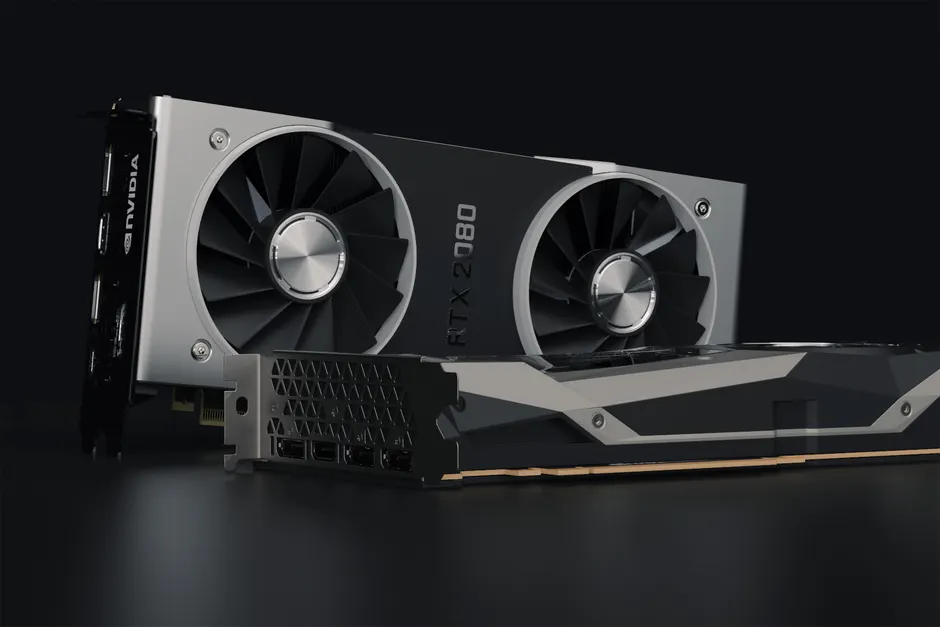
Nvidia makes the chips these data centers need. Because Nvidia's hardware is so central to AI, the company has enormous pricing power—meaning it can charge high prices without losing customers.
Nvidia's Recent Financial Moves
In January 2026, Nvidia reported earnings that beat what Wall Street expected and guided investors to expect higher-than-forecast revenue in the next quarter, per Reuters. The company also disclosed something important: it had secured enough chip-making capacity from its key supplier, Taiwan Semiconductor Manufacturing Company (TSMC), to handle demand for several more quarters. This reduces a major worry investors had—the risk that supply could not keep up with demand.
In May 2026, Nvidia announced an $80 billion share buyback program. A share buyback means the company buys back its own stock from shareholders. A program this size ranks among the largest in corporate history. It signals two things: that Nvidia is generating enormous amounts of cash, and that management believes demand for its products will hold up.
The Question That Matters
What does this mean for your money? If you own index funds—funds that try to mirror the performance of the overall stock market—you are automatically invested in these four companies proportionally to their value. As they grow more dominant, the risk becomes more concentrated. If something goes wrong with one of these companies, a larger portion of the overall market feels it.
The broader context here is worth sitting with. These four companies are not destined to decline anytime soon. Alphabet's power in search and online advertising, Meta's social network, Apple's hardware-and-services business, and Nvidia's near-monopoly on AI chips all feed on themselves—the more users they have, the more powerful they become. Disrupting any one of them would take years.
But here is what is still unknown: whether this level of spending on data centers and AI will eventually hit a saturation point. Companies are betting billions on the assumption that artificial intelligence will keep getting better and more valuable. That may be true. Or the returns might diminish. The market is pricing in the first scenario, but the second could unfold instead. That is the real question investors are weighing.