Why a License Plate Camera Company Is Tightening Its Rules

Flock Safety, a company that makes cameras police use to read license plates, is forcing new oversight rules on its customers and cutting how long it stores data, after officers across the United States used the technology to stalk ex-romantic partners and others.
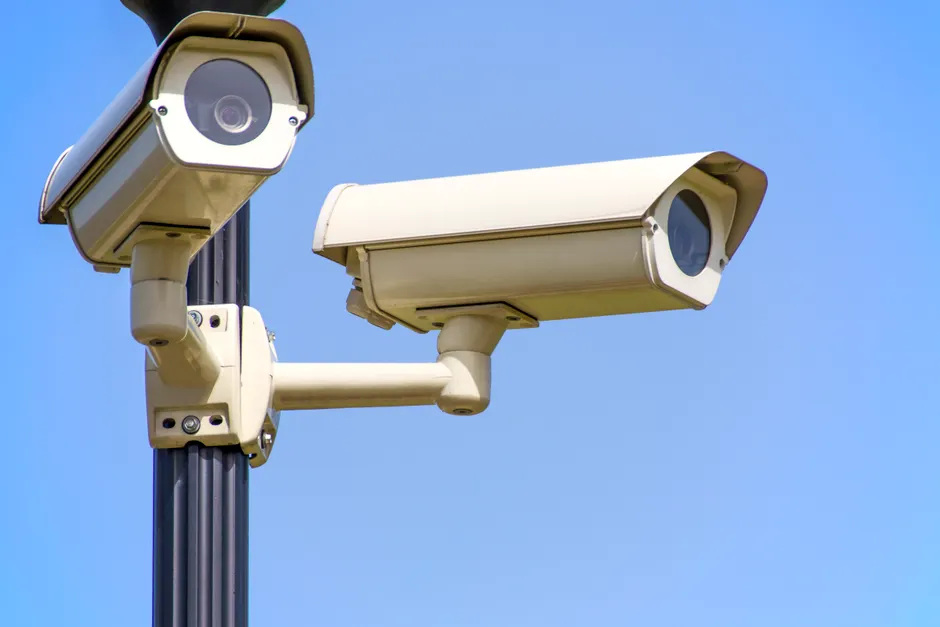
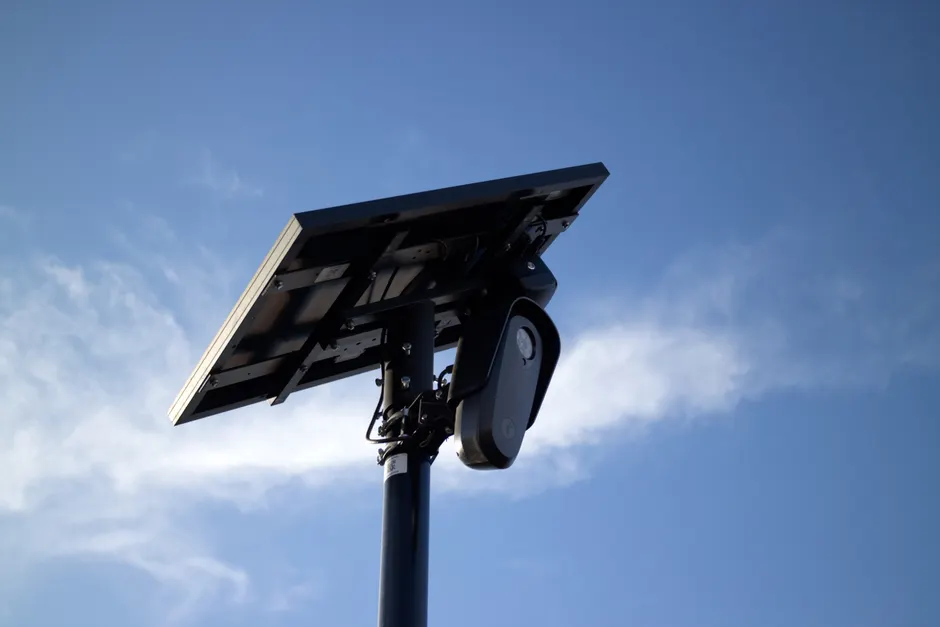
The company's cameras sit on roads and poles, photographing every car that passes. They record the plate number, the time, and the location. Police use this to find vehicles connected to crimes. But the cameras also capture information on millions of ordinary people who have done nothing wrong.
CEO Garrett Langley, in an interview with The Verge, admitted the company got things wrong and changed his mind on how much responsibility Flock bears for how police use its tools. Langley said Flock will now make a previously optional oversight feature called Audit Assistance mandatory. He also said more officers will be fired and more arrested for abusing police power.
The changes come after a string of documented abuse cases. A police chief in Braselton, Georgia, searched his ex-girlfriend's license plate more than 500 times over seven months, as reported by The Washington Post. California prosecutors alleged that a former Riverside County Sheriff's Office deputy used Flock data to stalk and harass his ex-girlfriend, looking up license plate information on men she was dating. The Institute for Justice, a nonprofit, has tracked reports of Flock and similar system abuse dating back to 2021. Officers have been losing their jobs over misuse of the technology, and advocates argue it is too easy to abuse, as Mother Jones reported in July.
Audit Assistance, which launched as a voluntary feature in April 2026, watches for unusual search behavior and immediately locks out suspicious users until an administrator reviews what they were doing. Think of it like a bank flagging your card if someone suddenly starts making dozens of purchases at odd hours. Flock will now require it for all customers. The company will also require all users to enter a case number to run searches. Administrators can skip the case-number requirement for emergencies such as tracking a missing child, and those skips will be automatically flagged for review.
On data retention, Flock is moving its default storage window from 30 days to seven, bringing it closer to limits long suggested by critics including the ACLU. Previously, Flock marketed its automatic 30-day deletion as a way to reduce risk, backed by annual security audits and permanent deletion on a rolling schedule. Police departments can still choose to hold data longer or use a new "Evidence Mode" that preserves searches tied to a specific case number.
Flock is also giving localities more control over who sees their data. A city using the platform can now let another agency search its data for a homicide suspect but block that same agency from using the data for immigration enforcement. Previously, sharing was all or nothing.
Langley had previously argued that lawmakers were responsible for writing rules requiring audit systems or other limits on how these cameras are used. Little such regulation has appeared. That stance has now shifted: Flock is imposing the controls itself rather than waiting for laws to force its hand.
The reversal matters because it acknowledges a problem privacy advocates have pointed to for years. These camera networks collect location data on millions of people who are not suspects, and until now, the rules around who could access that data were mostly left up to individual police departments. The new audit-lockout and case-number requirements add a checkpoint right where the abuse actually happens, at the moment someone types in a search. Whether these controls are enough depends on how carefully they are put into practice, how closely administrators watch, and whether departments that want looser rules can simply set them up on their own.
Langley also appeared on The Drive's podcast in late July to discuss a separate controversy: errors in Flock's AI-powered camera network that led to a wrongful police stop of the podcast's host. That incident broadened the public debate beyond stalking abuse to include questions about accuracy and whether the system wrongly identifies vehicles.
Taken together, the changes address two different problems: people misusing their access, and the sheer amount of data collected on innocent drivers. The seven-day default is a meaningful cut. It shrinks the window during which information on non-suspects is sitting in a searchable database, and it limits the damage if someone does abuse the system. The case-number requirement and automatic flagging of emergency overrides create a record of who searched for what, where previously there may have been no record at all.
What remains unresolved is enforcement. Flock can set defaults and require features, but police departments configure their own systems. Departments that choose longer retention periods or skip case-number requirements for broad reasons can still create conditions where abuse is possible. The new sharing controls help, but they also depend on local administrators making good choices. Flock has raised the floor, but the ceiling is still set locally.
Langley's prediction that more officers will face consequences fits the pattern documented so far. The abuse cases that came to light did so because they were discovered, often after a long time. More rigorous auditing will likely surface more of them. That is the system working as intended, even if the resulting headlines are uncomfortable for the company and its customers.