The Company Behind Those Roadside License Plate Cameras Says It's Cracking Down on Misuse. Here's What's Changing.
Flock Safety announced new policies and tools on August 13, 2026 that the company says will curb abuse of its automated license plate reader systems and hold law enforcement customers accountable for misuse.
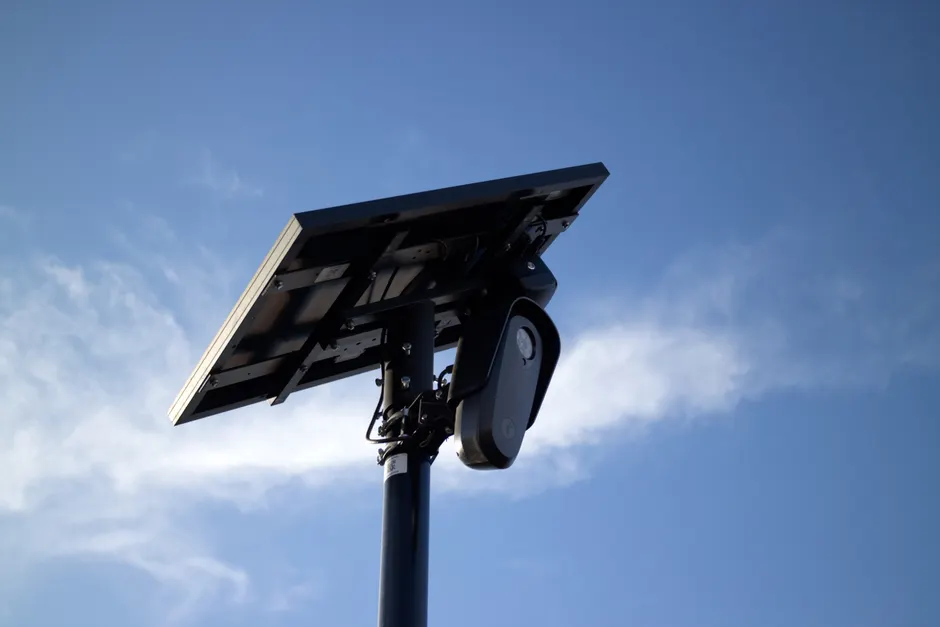
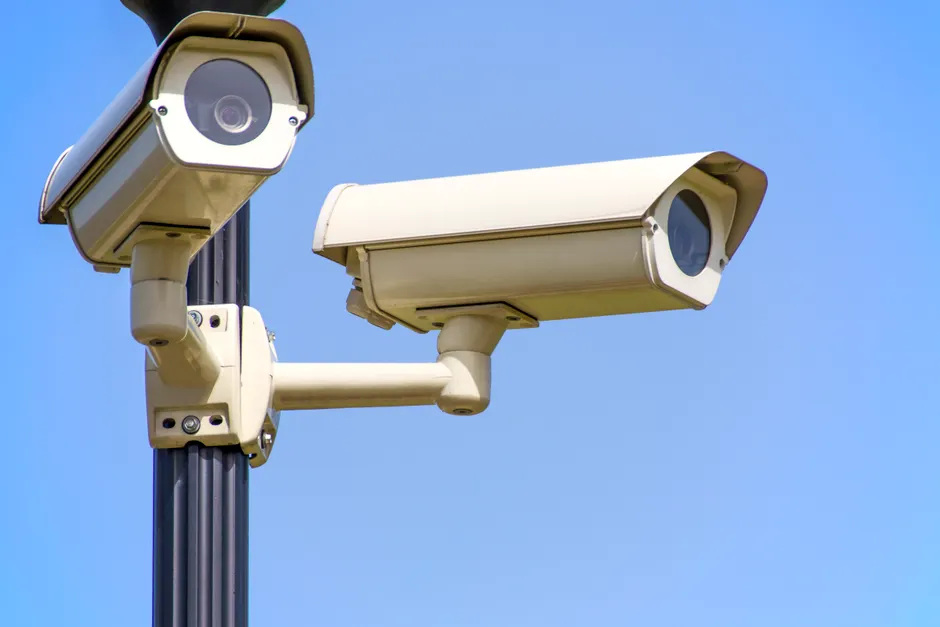
Flock Safety makes cameras that police departments mount on poles, traffic lights, and patrol cars. The cameras automatically photograph every license plate that passes by and record the date, time, and location. Police use this data to find vehicles connected to crimes, but the cameras also capture the everyday movements of ordinary drivers, which has drawn criticism from privacy advocates for years.
The most concrete change is a reduction in how long Flock recommends keeping that data. The company now says police departments should hold plate-reading data for seven days instead of the previous 30-day recommendation. For cases that need longer storage, Flock introduced a feature called Evidence Mode, which can be turned on when a department needs to keep data beyond the default window and requires a specific case number to do so.
Flock also gave customers the ability to limit what data they share with other police departments in the Flock network, based on the type of crime being investigated. A department looking into a property crime, for instance, could set things up so that only relevant information reaches partner agencies.
The centerpiece of the announcement is a tool called Audit Assistance, which Flock launched in April 2026. The company describes it as a feature that can "surface atypical activity early and review it quickly with a clear, documented workflow." Ashley Haber, Flock's head of trust and compliance, said the tool can flag "what may look like an odd search history from a specific user." Co-founder Paige Todd offered a more specific example: it "flags unusual patterns early," such as a user searching the same license plate over and over for more than 30 days. The tool can automatically lock out flagged users until an administrator steps in.
Major Patrick Krieg of the Dunwoody, Georgia Police Department, a Flock customer, described Audit Assistance as "an algorithm that has notified us of any type of bias."
Flock says more than one-third of its customers have already turned on Audit Assistance and is now requiring all customers to enable it by the end of 2026.
What Flock has not done is explain how the tool actually works. TechCrunch asked the company how the Audit Assistance system functions, what data it is based on, whether it uses artificial intelligence, what patterns it looks for, and what exactly counts as abnormal activity. According to TechCrunch, Flock confirmed that Audit Assistance is not based on machine learning but did not provide further detail on how the detection works.
In my view, that gap matters. A tool that watches for suspicious behavior in police searches is only as trustworthy as the rules behind it. Without knowing what triggers an alert, whether those triggers can be adjusted, or what kinds of activity the tool covers, it is hard for outside observers to judge whether it would catch the most common forms of abuse: officers looking up plates for personal reasons, tracking someone without a legitimate investigation, or searching for information on political figures or journalists.
The ACLU responded to Flock's August 13 announcement the same day, arguing that the company's updates fail to acknowledge how easily users have gotten around the "search reason" checks already built into Flock's systems. If officers can bypass existing controls simply by typing a plausible excuse into a text box, then the value of the new monitoring tool depends on whether it actually examines those excuses or just looks at the pattern of searches around them.
The data retention reduction from 30 days to seven is a real change with clear privacy implications. Shorter storage windows mean less historical location data is sitting around, which limits both what police can look up later and the opportunities for misuse. The Evidence Mode requirement for a case number adds a small checkpoint for keeping data longer, though it relies on the department's own discipline rather than outside verification.
Flock's data-sharing model has been a particular concern for privacy advocates. When a camera in one town records a plate, that information can surface in another department's search results in a different jurisdiction, which extends the reach of a single camera far beyond its local area. The new per-offense sharing limits give customers more control over what goes out, but whether departments will set those limits tightly or loosely is an open question.
The broader context is that Flock operates in a space where the technology has moved faster than the rules around it. ALPR systems are used widely by police departments across the United States, and there is no federal standard for how long data should be kept, how it can be shared, or what audit requirements apply. State laws vary considerably. In that gap, the guardrails a company like Flock sets for itself carry more weight than they would in a well-regulated environment, and the secrecy around a key accountability tool is harder to overlook.
The decision to require Audit Assistance across all customers by the end of 2026 at least creates a uniform standard. But a mandatory tool whose inner workings are undocumented is a compliance step, not a transparency guarantee. If Flock wants Audit Assistance to be the accountability mechanism it describes in its announcements, the company will eventually need to let outsiders examine how it works. A tool explained only through examples is a tool whose limits nobody outside the company can evaluate.