Suno's New Music Studio Can Write Songs With You — But the Company Is Also Fighting a Copyright Case
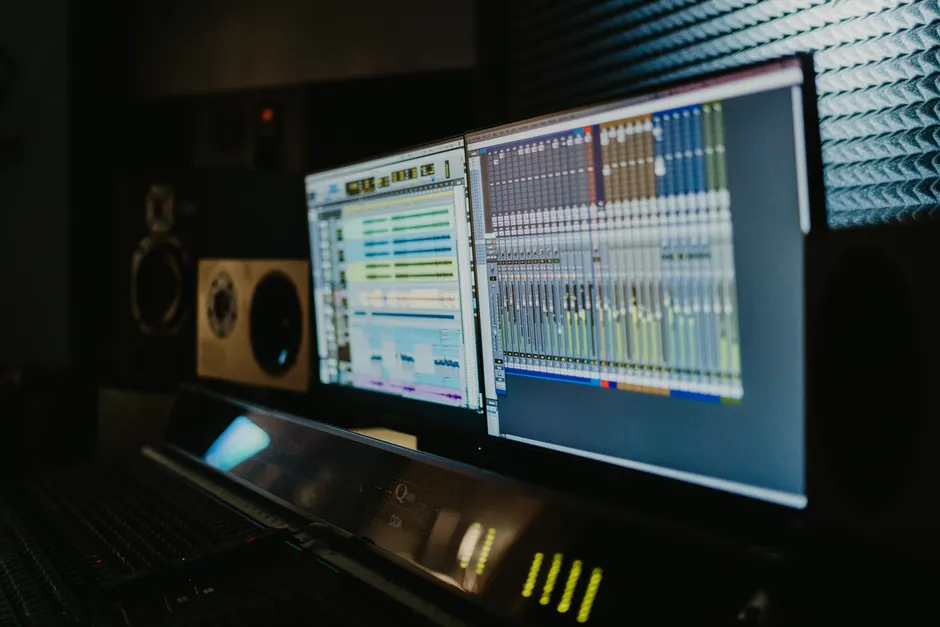
Suno released Studio 2.0 on August 13, 2026. The update turns Suno's generative music platform into something closer to the software musicians use to record and mix songs — with a chatbot that can write lyrics, add instrument parts, and even design custom sound effects on demand.
The biggest new feature is MIDI support, which was the most requested feature among Suno's users, according to the company. MIDI is a way of sending musical instructions to a computer — like which notes to play, how loud, and how long — without recording actual sound. Think of it like sheet music for a machine. Users can now play chords on a keyboard, send that information to Suno, and ask it to turn those notes into a full audio track, extend a melody, or write a new section of a song based on what was played. Suno Studio includes a built-in synthesizer (software that creates sound), but it is fairly basic. Notably, Suno Studio does not support third-party plugins — the add-on sound tools that most music software relies on. All sound generation runs through Suno's own system. Users can, however, export their individual instrument and vocal tracks as both audio and MIDI files to finish the work in other music software, a feature Suno introduced with the original Studio release in September 2025.
Track automation is also new in 2.0. Users can now pan (shift sound left or right between speakers) or adjust the volume of individual tracks across a song, giving them basic mixing controls that the first version lacked. The update also adds built-in sound effects: distortion, delay, reverb (the echo-like effect that makes things sound like they are in a large room), compression (which evens out loud and quiet sounds), and EQ (which adjusts which frequencies — bass, treble, and so on — are emphasized).
The chatbot is the most ambitious addition. It is connected to whatever project the user is working on, so it understands the musical context. Users can ask it to write lyrics, add a guitar line, or improve a vocal track — in which case it can apply reverb, compression, and EQ automatically. Beyond picking from the built-in effects, the chatbot can create brand-new custom effects, like a unique reverb or a special compression setting, and save them to the user's account for future use. The Verge reports that while Studio 2.0 is more feature-packed than its predecessor, the beta version of the chat assistant leaves even less for the user to do manually, pushing Suno further toward a system where the AI handles arrangement, mixing, and sound design decisions on its own.
Suno describes Suno Studio as "the first-ever generative audio workstation" on its homepage, positioning it as a complete creative workspace that lets users generate tracks, layer sounds, and edit seamlessly from start to finish.
The Studio 2.0 release arrives within weeks of two legal and policy developments for the company. On July 31, 2026, a German court ruled that Suno violated copyrights and must disclose its illicit revenue. Days later, on August 6, Suno co-founder and CEO Mikey Shulman published a blog post titled "How We're Building the Future of Music Responsibly," outlining the company's principles and new actions. Also in August 2026, Suno announced plans to adopt new audio watermarking technology (a way of embedding hidden identifiers in audio files) and changes affecting downloads and output fingerprinting (a method of tagging generated audio so it can be traced back to Suno).
The timing is hard to ignore. Suno is simultaneously shipping its most capable tool yet and responding to a court judgment that its training data included copyrighted material. The watermarking and fingerprinting announcements suggest the company is working toward technical guardrails that could address at least some of the concerns raised by rights holders and courts, though how those systems will actually work has yet to be detailed.
For working musicians, the practical question is whether Suno Studio 2.0 fits into an existing workflow or tries to replace it. The lack of third-party plugin support is a deliberate boundary. Suno's environment is self-contained: its own synthesizer, its own effects, AI-generated arrangements. The ability to export MIDI files gives users a way out, but the system is designed to keep them inside the platform for as long as possible. The chatbot's ability to generate custom effects and make mixing decisions speeds up that enclosure.
In the broader view, Suno is shifting from a tool where you type a prompt and get a finished song into something that resembles a full music-making program powered by AI. The built-in synthesizer is modest, and the effects cover the basics without competing with professional tools. But the idea of an assistant that understands your project and can both create new musical material and shape how it sounds is something no conventional music software offers today.
The open question is whether that assistant turns out to be a feature musicians embrace, or a convenience that quietly reduces their creative control. That will depend on how much room the chatbot leaves for hands-on editing once it moves beyond its beta testing phase. The Verge's observation that the beta already reduces the user's role suggests Suno is still calibrating that balance.


