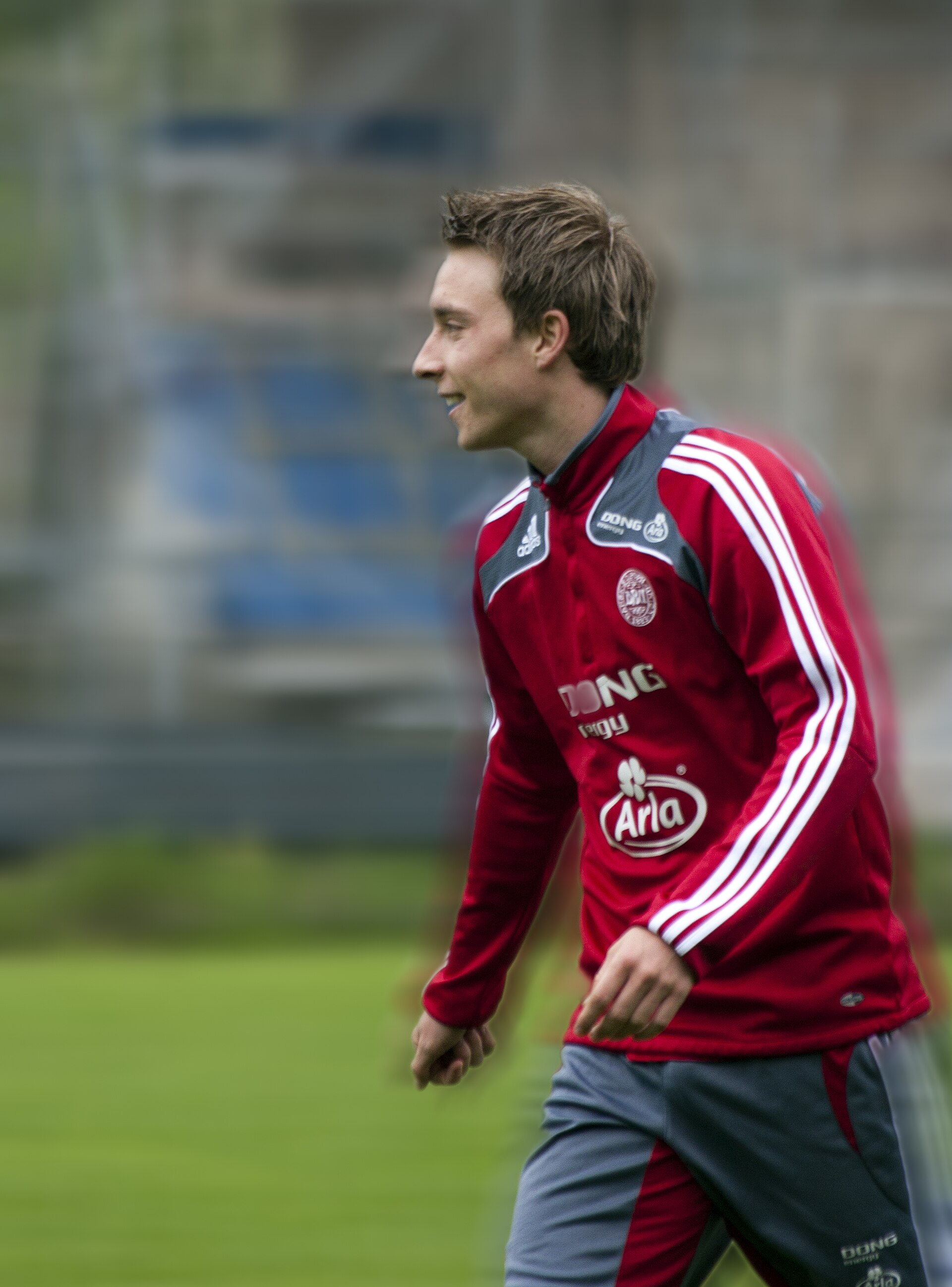
When a Football Star Collapsed: The Story of Christian Eriksen

When a Football Star Collapsed: The Story of Christian Eriksen
On a June afternoon in Copenhagen, Danish footballer Christian Eriksen fell to the ground during a UEFA Euro 2020 match against Finland. According to BBC Sport, he had suffered cardiac arrest — a medical emergency where the heart suddenly stops beating properly. The match was called off immediately.
What made this story remarkable is that Eriksen survived. He was conscious after the collapse, and he did not suffer serious brain damage. This outcome hinged on one thing: the medical team at the stadium responded within seconds.
Understanding What Happened to His Heart
Most people use the words "heart attack" and "cardiac arrest" the same way, but they are actually two different emergencies.
A heart attack is like a blocked pipe. A clot or fatty buildup stops blood from reaching part of the heart muscle. Cardiac arrest is an electrical problem. The heart's rhythm breaks down so badly that it stops pumping blood effectively to the brain and the rest of the body.
When cardiac arrest happens, a person loses consciousness within seconds. Without treatment, brain damage or death follows within minutes. Eriksen was 29 years old and a professional athlete with no known heart problems before this moment. Sudden cardiac arrest in young athletes is rare, but it does happen — usually because of structural problems in the heart or abnormal heart rhythms.
The Medical Team Saved His Life
Cardiac arrest survival depends on four things happening fast: someone recognizes it and calls for help, CPR starts right away, a defibrillator (a machine that sends an electrical shock to restart the heart) is used immediately, and advanced medical care arrives.
All four happened at Parken Stadium. Eriksen's teammates created a protective circle around him so cameras would not film him during the emergency. Medical staff began treatment within moments.
Eriksen was discharged from the hospital in stable condition within 24 hours. That timeline tells doctors something important: his cardiac arrest was brief, he was revived quickly, and no serious complications developed. He later said he was recovering well at home with his family.
What the Sports World Did Next
UEFA, the organization that runs European football, immediately suspended the match. The decision raised a harder question: should they play the game again, and how would the Danish team cope after what they had just witnessed?
This has happened before in sports. When Bolton player Fabrice Muamba collapsed during a match in 2012, the FA postponed his game. When Cameroon's Marc-Vivien Foé died during a tournament in 2002, the institution had to choose between keeping the schedule and honoring the human emergency. In both cases, the sport gave way to the medical reality — as it should.
The broader context here is that Eriksen's collapse reopened conversations the sports medicine community had been having for years: Should all professional athletes be screened for heart problems before they compete? Should every stadium have a defibrillator and trained staff ready to use it? Different countries have different rules about which athletes can play after a cardiac event. Those are the kinds of questions that institutions need to settle.
What Happened Next
After his recovery, Eriksen needed an implantable cardioverter-defibrillator — a small device placed under the skin that watches the heart's rhythm and delivers a shock if something goes wrong. It works like an internal defibrillator. With this device in place, he was able to return to professional football, though some leagues had different rules about whether he could play.
The facts of the incident, reported by BBC Sport, are straightforward: Eriksen suffered cardiac arrest during a major match, was revived on the field, left the hospital in stable condition within 24 hours, and recovered at home. Given how dangerous cardiac arrest usually is, this outcome was fortunate.
The speed and quality of the emergency response almost certainly made the difference between recovery and tragedy. For doctors, stadium managers, and sports organizations, Eriksen's case has become a reference point for what to do right when something goes catastrophically wrong.
The systems that produced this outcome — the training, the equipment, the decisions made in those urgent seconds — deserve as much attention as the emergency itself.