Israel Strikes Lebanon: Nine Killed in the Worst Violence Since the June Ceasefire

Israeli airstrikes on southern Lebanon killed nine people, including three children, and wounded eleven on August 15, 2026. It was the deadliest single day of strikes since June agreements paused the fighting between Israel and Hezbollah (The Guardian).
Hezbollah is an armed Lebanese group backed by Iran that has fought Israel for decades. A ceasefire is an agreement to stop fighting.
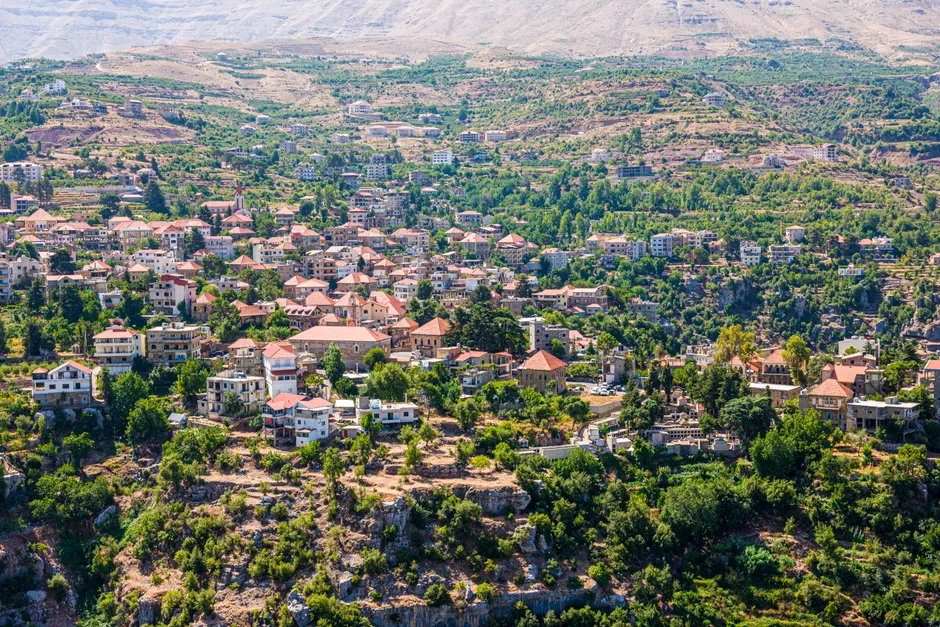
The strikes began early Saturday morning. Israeli warplanes bombed a home on the outskirts of the village of Ansar, killing seven people and destroying the building. A second strike hit a home in the town of Deir al-Zahrani, killing two and wounding nine. An Israeli drone also targeted a motorcycle in the nearby city of Nabatieh, though it was unclear whether the driver was killed (The Guardian).
Lebanon's state news agency, NNA, reported more Israeli military activity that day. Warplanes struck the Ali al-Taher ridge. A valley between Ansar and Zarariyeh was hit for the first time at that distance from the border since the ceasefire. Israeli forces also blew up homes in the border town of Bint Jbeil (The Guardian).
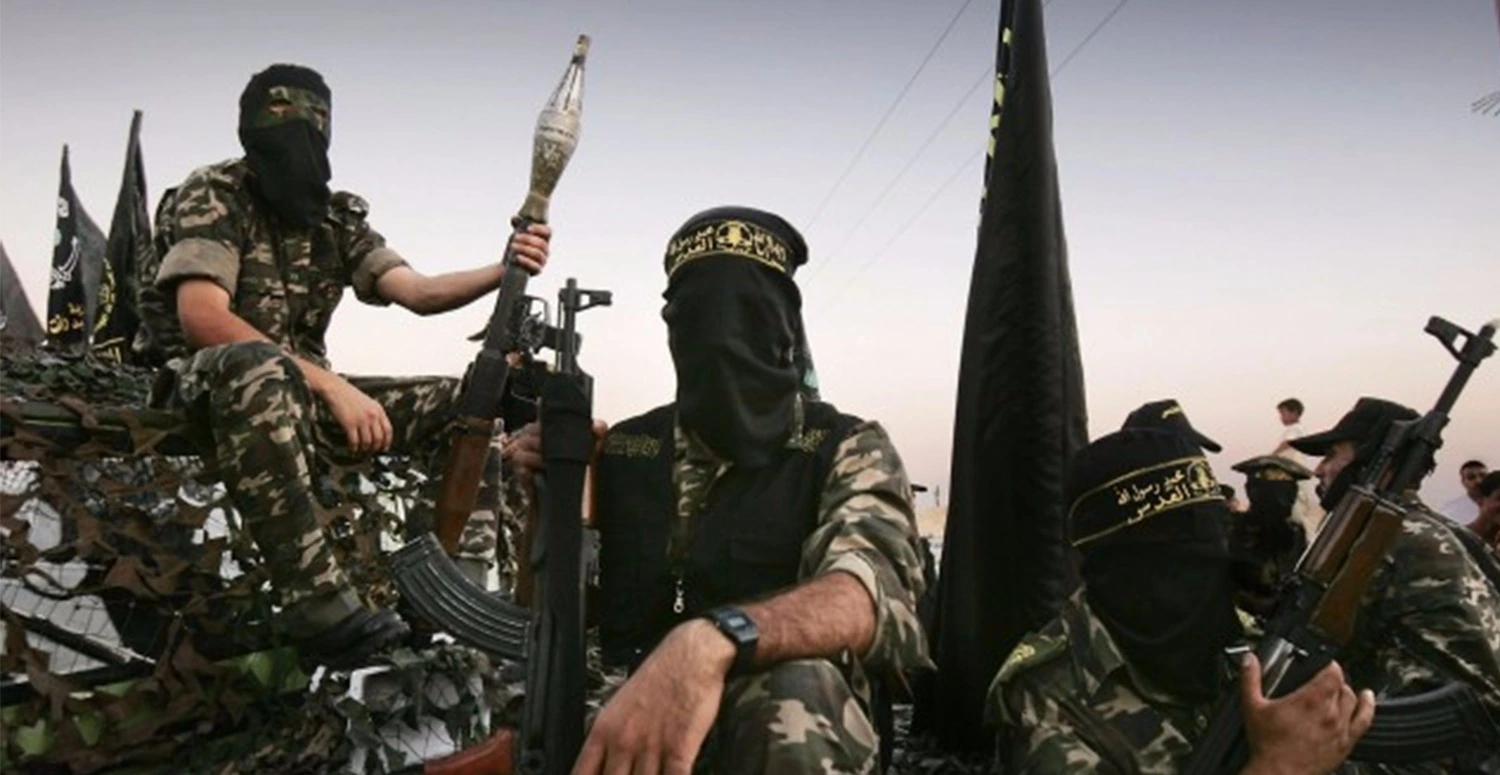
The strikes happened even though a June ceasefire had formally ended most fighting between Israel and Hezbollah. An Israeli military spokesperson, Ella Waweya, said Israel attacked Hezbollah infrastructure in the Ansar and Nabatieh area after Hezbollah fighters attacked Israeli soldiers near Ali Taher. That is a hill where Israel says Hezbollah has large underground command centres, and Israel has been shelling it for months (The Guardian).
Lebanon's prime minister, Nawaf Salam, called the attacks "extremely dangerous" and said they undermined efforts to bring stability to the south. He directly challenged Israel's explanation. The seven people killed in the Ansar strike were not "military infrastructure," he said. The children and women killed were not military targets (The Guardian).
One detail matters for understanding the stakes: neither Ansar nor Deir al-Zahrani is inside the 231-square-mile "security zone" that Israel set up in southern Lebanon (The Guardian). That zone is the area Israel agreed to gradually leave under the June deal. Strikes outside it raise questions about whether Israel is going beyond what the June agreements intended.
The latest round of fighting started on March 2, 2026, when Hezbollah fired rockets at Israel in retaliation for the killing of Iran's supreme leader. Violence escalated through the spring. In April, a single day of Israeli strikes killed 254 people and wounded over 1,100 across Lebanon, the deadliest day of the conflict (Reuters). A strike on Saksakiyeh on May 9 killed at least seven, including a child (Reuters). A June 10 strike on Dayr al-Zahrani and nearby areas killed at least thirteen (Reuters).
The violence dropped sharply after two agreements in June. One was a US-Iran deal addressing the broader Middle East conflict. The other was a US-sponsored framework deal between Lebanon and Israel. That deal calls for Hezbollah to give up its weapons, for Israeli forces to gradually leave southern Lebanon, and for the Lebanese army to take control of the area (The Guardian).
The ceasefire has held only loosely. Two Israeli soldiers were killed in southern Lebanon on August 6, 2026. The Lebanese health ministry also reported one person killed and twelve wounded in a separate Israeli strike earlier that month (Reuters). The August 15 strikes, though, caused more deaths and reached farther into Lebanon than anything since June.
The broader context is that the June deal has a built-in problem. It asks Hezbollah to disarm and Israel to withdraw at the same time. But neither side has treated the ceasefire as a firm limit on military action. Israel keeps striking targets it calls Hezbollah infrastructure, including in Ansar, a village it has hit before (IDF). Hezbollah, according to Israel, keeps attacking Israeli soldiers. Each side's actions give the other a reason to strike again. The tools meant to stop this cycle, the Lebanese army deployment and the security zone, have not yet reached the areas where the fighting is now happening.
Salam's claim that the Ansar victims were civilians, set against Israel's description of the target as Hezbollah infrastructure, echoes a dispute that has run through the entire conflict. The IDF describes southern Lebanon as a Hezbollah stronghold and says it is continuing operations to take apart that infrastructure (IDF). Lebanon's government has consistently rejected the labeling of strike victims as fighters. The August 15 toll, with three children among the dead, will sharpen that disagreement at a moment when the June deal's future is already in doubt.