What Happened in the Israeli Strikes on Southern Lebanon

An Israeli air strike killed seven people in the village of Ansar, in southern Lebanon, in the early hours of 15 August 2026, according to Lebanon's Prime Minister Nawaf Salam. The strike hit a house where displaced families were staying at about 04:30 local time (01:30 GMT). Lebanese state media called it the worst death toll in southern Lebanon since June 2026.
Lebanon's Health Ministry said that among the seven killed were three children and two women. Two people were wounded. The National News Agency gave the same count.
A separate Israeli strike hit the town of Deir al Zahrani the same morning, killing two and injuring nine, according to the Lebanese Ministry of Health.
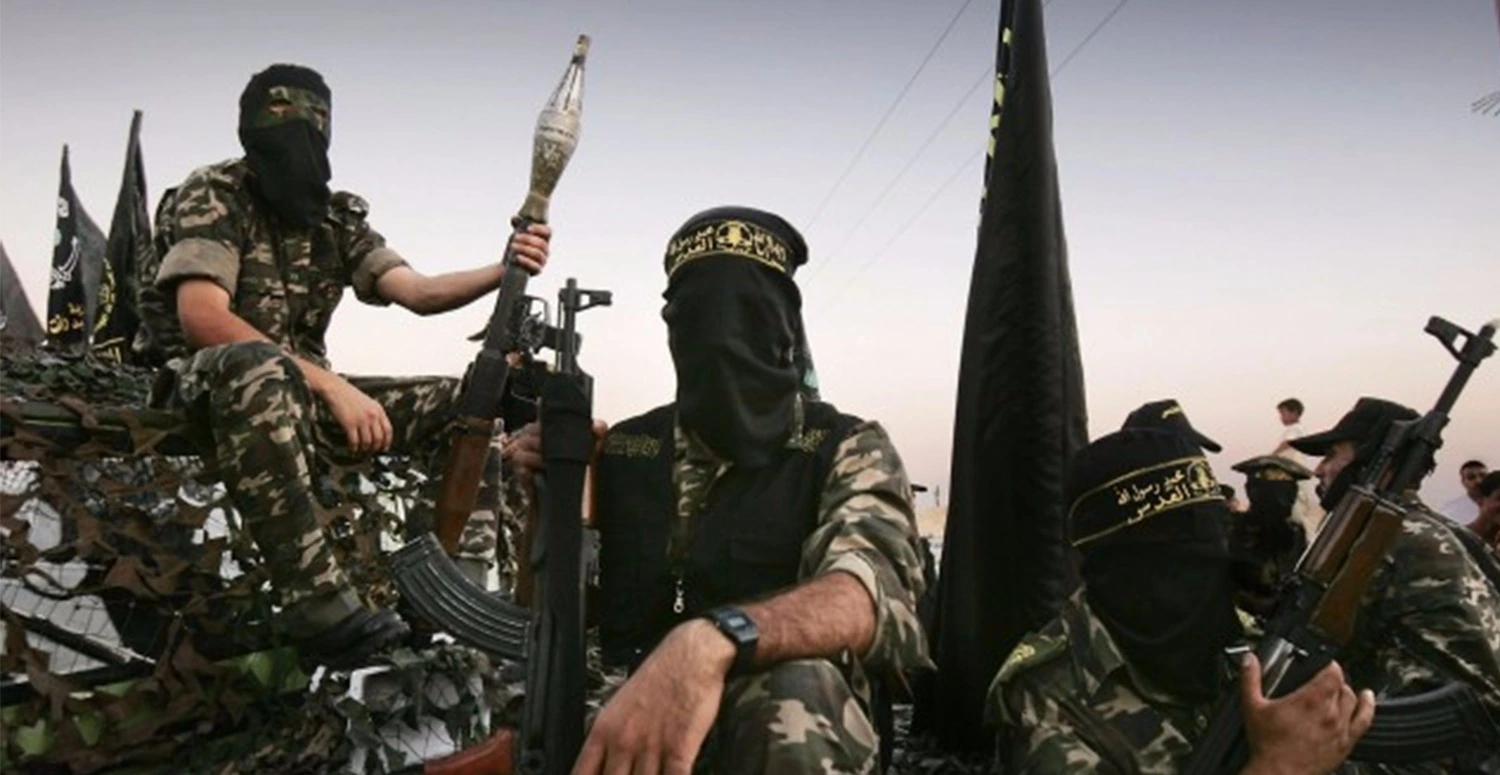
Israel's military said it targeted "Hezbollah terror infrastructure" in response to an earlier attack on its soldiers. Hezbollah is an armed group and political party in Lebanon that has fought Israel for decades. Israel and several other countries consider it a terrorist organization. The IDF, which is Israel's military, said the incident that prompted the Ansar strike took place at Ali al-Taher Ridge, a high point of land overlooking south-eastern Lebanon.
Prime Minister Salam condemned the strikes and rejected Israel's explanation. The civilians killed, he said, were not "military infrastructure." He urged Israel to stop the escalation.
The broader context here is that Israeli forces are still present in southern Lebanon. They occupy about five percent of Lebanese territory. That fact shapes every clash along the southern border and affects how Lebanese officials respond when non-combatants are killed. When a house sheltering displaced families is hit, the distance between Israel's claim that it was targeting Hezbollah and the civilian deaths on the ground becomes the central argument.
The location matters. Ali al-Taher Ridge overlooks a wide area of south-eastern Lebanon, making it useful for watching or directing fire. Israel says its strike was a response to hostile action at that spot, which means it is framing the attack as a reaction rather than something planned in advance. Lebanese officials, though, say the civilian deaths show that Israel's targeting is careless or worse.
What gives this incident special weight is the number of people killed compared to what has been happening recently. Lebanese state media calling this the deadliest single event in southern Lebanon since June means that attacks this deadly have been rare enough to stand out. The Deir al Zahrani strikes on the same morning add to the picture: two locations, nine dead, eleven wounded, all in one day.
For Lebanon's leadership, the strikes create pressure on two fronts. Salam must address public anger over civilian deaths, including children, while dealing with the reality that Israeli forces remain on Lebanese soil and keep carrying out strikes they call defensive. His call for Israel to stop the escalation sends a message to the outside world, but it also works at home: it shows that the Lebanese government's priority is protecting civilians, not backing Hezbollah's military actions.
Israel has based its justification on a specific event at Ali al-Taher Ridge and on the broader idea that it was targeting Hezbollah. That framing is meant to keep the strikes within a self-defense argument that other countries would recognize. Whether that argument holds up depends on what the military actually targeted and who the people killed really were.
The coming days will show whether this leads to more fighting along the border or whether both sides return to the usual back-and-forth of smaller strikes. The fact that Israel hit two locations on the same morning suggests a faster pace of operations on 15 August, and the number of civilians killed raises the stakes for whatever comes next.