Pocket e-readers can finally borrow library books — here's how
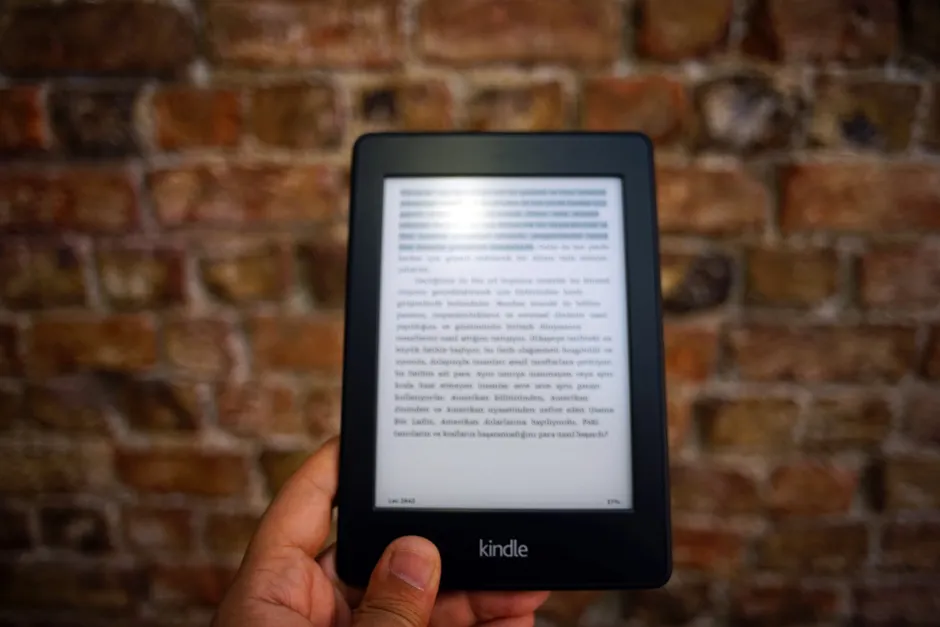
CrossPoint Reader, a free replacement software for Xteink's X3, X4, and X4 Pro pocket e-readers, now supports add-on plug-ins. The first one, built by a community member, lets those devices read borrowed library ebooks and purchased books that are protected by DRM, the copy-protection system publishers require on most digital books. The feature is in testing and open to anyone, according to The Verge.
This solves a problem that has held back Xteink's devices since they launched. Until now, the e-readers could only open books that had no copy protection, which users had to find on their own. There was no way to borrow from the library system that most readers in the US and parts of Europe depend on. Xteink's own product pages confirm the X3 does not list Libby among supported services, and the X4 Pro is explicitly described as neither an Android tablet nor a Google Play device, ruling out a common workaround some e-reader owners use to install the Play Store.
Think of DRM as a digital lock that publishers put on ebooks to control who can open them. Library books and store-bought ebooks usually come with this lock, and your reading device needs the right key to open it. The plug-in, called "Protected Content," runs through CrossPoint Reader's built-in web server and provides that key. Using it requires a free ByteBooks account or a converted older Adobe Digital Editions account to authorize the e-reader. The process mirrors what people have done for years on desktop computers: borrowing a book through Libby produces a small file called an ACSM, which an authorized reading app then uses to download the actual ebook. CrossPoint Reader now handles that whole process on the device.
There is a hardware limitation. Xteink e-readers use a low-power chip called an ESP-32, which is too basic to run the Libby app directly. Users will still need a phone or computer running Libby to browse, borrow, and get that small ACSM file, then transfer it to the e-reader. The reading itself happens on the Xteink device; finding and checking out the book stays on a phone or computer.
Both the X3 and X4 come with Xteink's own software, which is minimal — it only shows books and settings, with no app store or web browser. CrossPoint Reader replaces that software entirely, and its new plug-in system suggests the Libby feature is a first step rather than a one-off.
The devices are designed for portability. The X3 weighs 58 grams and has a 3.7-inch screen with physical buttons. The X4 Pro weighs 72 grams, is 5.95mm thick, and adds a built-in light with adjustable brightness and warm or cool color tones, plus a touchscreen. These are meant to be carried in a pocket, not set up on a desk.
The same small chip that makes the pocket size possible is what limits the software. The ESP-32 is a microcontroller — a simple processor meant for basic tasks, not the kind of processor in a phone or tablet that can run a full operating system or web browser. CrossPoint Reader works within those limits by keeping things lightweight and handling complex tasks like DRM authorization through small plug-ins.
The broader context here is about access, not performance. Pocket e-readers have been around for years, but most have been locked into one company's system — Amazon's Kindle is the obvious example — or limited to books with no copy protection. What CrossPoint Reader's plug-in system does is give devices outside the major ecosystems a practical path to the same library and store options that mainstream e-readers offer. For people who want a pocket-sized reader but do not want to give up their library borrowing or store-bought ebooks, that gap is now closing.
The beta status matters. DRM handling is fragile by nature. It depends on authentication servers, login tokens that expire, and lending rules that vary by publisher and library. Anyone trying the plug-in now should expect some rough edges, especially around loan expiration and getting things working again if a device is reset. CrossPoint Reader's project site lists the Protected Content plug-in under its tools section.
In my view, the more interesting development is the plug-in system itself. If CrossPoint Reader keeps attracting community developers, it could become a versatile software platform for low-power e-readers, a corner of the market that big companies have mostly ignored. These small devices have been a hobbyist project, held back as much by software as by hardware. A system that lets anyone write plug-ins changes what these devices can do without changing what they are.