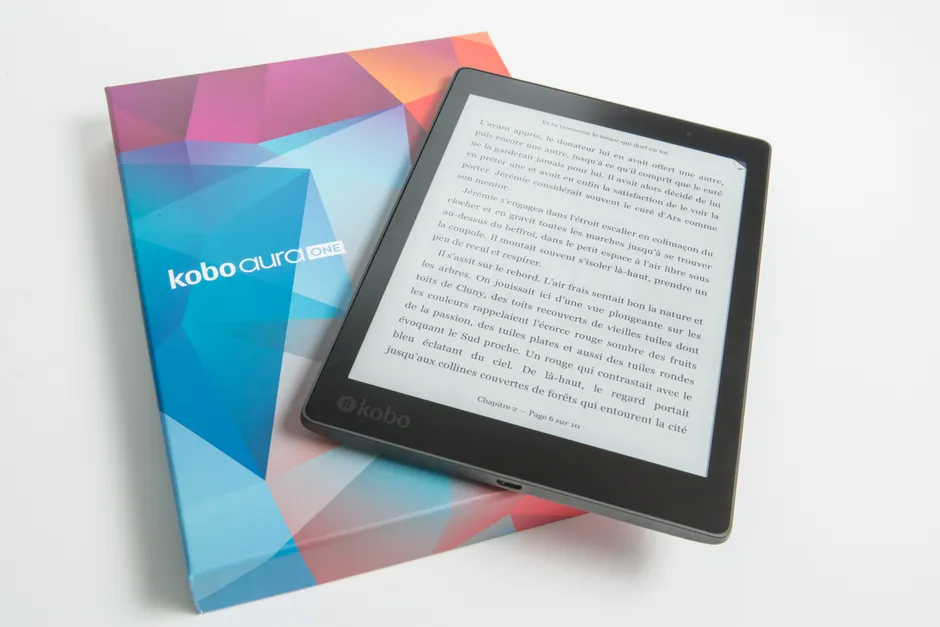
Kobo Stack: Store Your Own Books and Notes in One Place for a Monthly Fee

Kobo is launching Stack, a monthly subscription that lets you upload your own ebooks and documents to Kobo's servers and keep them in sync across your devices and apps. The service was reported on November 6, 2026. Kobo's own Stack product page carries the title "Kobo Stack: Unify Your Digital Library & Notes."
The subscription costs $3.99 per month in Canada and £2.99 per month in the UK. New users can try it free for 90 days.
At first, Stack is available in Canada, Ireland, Australia, New Zealand, the UK and Spain. The United States is not included.
Stack accepts EPUB and PDF files up to 200MB each. EPUB is a common ebook format, and PDF is the format most often used for documents.
You can add a file in two ways. You can drag it onto Kobo's website, or you can email it to a custom address you receive when you sign up.
On kobo.com, the upload path is My Account, then Books, then Upload. Kobo calls its storage Kobo Cloud. Your uploaded files appear in Kobo's iPhone and Android apps, on the website, and on Kobo e-readers signed in to the same account.
Stack also syncs your reading progress, highlights and notes across those devices. The real value is less in moving the file and more in carrying your place and your markings with it. If you highlight a PDF on a tablet, it should open at the same page, with the same notes, on an e-ink reader. E-ink screens are the gentle, paper-like displays used in dedicated e-readers.
At launch, only the Clara BW, Clara Colour, Libra Colour and Elipsa 2E support this feature.
The feature comes with Kobo's 6.0 e-reader software update, which is available in beta as an optional upgrade. Kobo says Stack and related features are rolling out in phases through eReader sync. Owners of supported devices may not see it on the same day.
Kobo says you can cancel at any time. After cancelling, you have 60 days to download your files and export your notes before they are permanently deleted.
That detail matters most if you plan to keep personal documents on Kobo rather than use it for convenience. Your files would then sit on Kobo's infrastructure, and the exit terms decide how easily you can get them back.
In my view, it helps to think of Stack as a syncing service with a storage agreement attached, not as a bookstore. Kobo's model has been built around books that readers buy or borrow. Stack shifts the focus toward files you own. The questions that matter most are where those files are kept, how they are encrypted and how long they are stored, and what you can take with you if you stop paying.
The broader context here is more encouraging. If you read on a phone, a tablet and an e-ink reader, and you keep research papers, manuals and personal documents in several places, one shared place for your progress and notes can remove a set of small, repeated hassles.
The launch is limited by country and by device, so the wider picture will become clearer as more markets and hardware get the service. For now, Stack is a monthly subscription with a 90-day free trial, a 200MB limit per file, and a short list of supported formats and devices.