When a World Cup Jersey Becomes a Bridge Between a Global Brand and Indigenous Artisans
When a World Cup Jersey Becomes a Bridge Between a Global Brand and Indigenous Artisans
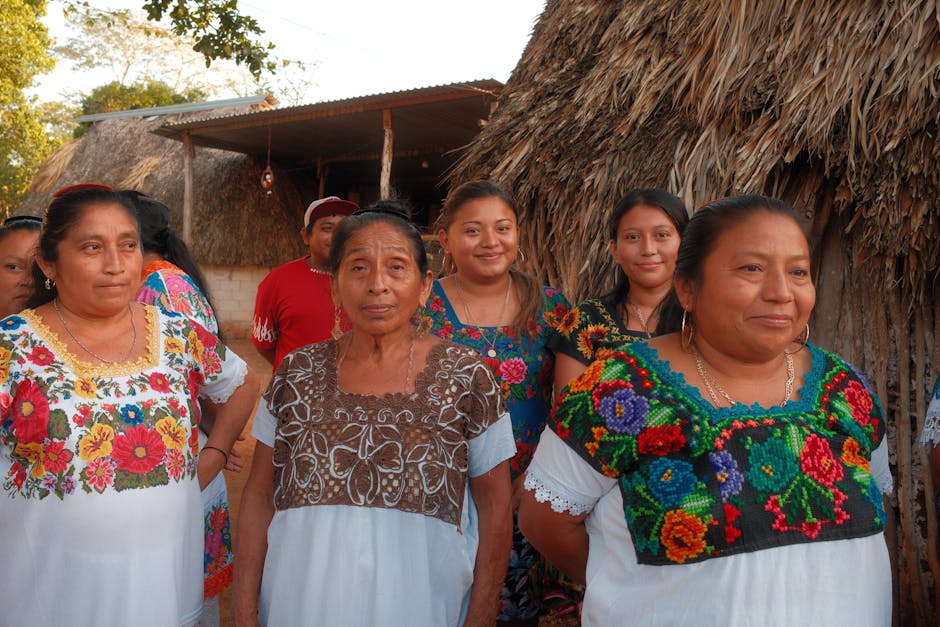
When Mexico's soccer team runs onto the field at the 2026 FIFA World Cup — which will be played partly in Mexico — their jerseys will be different from anything a factory could make. More than 150 Indigenous women from a small community called Naupan, in the mountains northeast of Mexico City, hand-embroidered these special jerseys. According to The New York Times, this collaboration happened through Adidas (the sportswear company) and Someone Somewhere, a Mexican organization that works directly with artisan communities.
These jerseys aren't being mass-produced. They're limited edition, which means there won't be thousands of identical ones in factories. Each one carries the actual handwork of a real person — embroidered by hand in a region where families have been doing this kind of needlework for hundreds of years. With more than 150 artisans involved, this is far bigger than just adding a tiny craft element to look good. It's a real partnership.
The Three Players in This Deal
Three different groups made this happen: Adidas, the massive German sportswear company; Someone Somewhere, a Mexican organization that connects global brands with Indigenous and rural craftspeople; and the Nahua-speaking women from Naupan.
Someone Somewhere's approach is straightforward: they treat artisan work as something valuable that should be paid fairly, not as a charity project tacked on for good publicity. Instead of keeping the "handmade premium" (the extra money people pay for handcrafted items) separate from fair wages, they route that money directly to the workers. The Adidas partnership is one of the biggest tests of this model so far.
For Adidas, there are two reasons to do this. One is money: the 2026 World Cup is in the United States, Mexico, and Canada, so Mexico's jerseys will get huge attention in major shopping markets. A limited-edition kit with a real story — one you can trace back to actual people and actual cultural tradition — stands out in a crowded marketplace. The second reason is reputation. Showing that they work fairly with Indigenous communities is valuable to a global brand.
The Mountain Region and Its History
The Sierra Norte de Puebla is a mountainous area in Mexico that is home to many Indigenous groups, including the Nahua people. These communities have created distinctive embroidery and textiles with dense floral patterns for centuries. The region is economically struggling. Most families make money through subsistence farming (growing food to eat, not to sell) or by selling crafts on the side. There aren't many steady jobs available.
Artisans in this region have traditionally been in a weak position when dealing with middlemen and shops. A craft might be sold to a store owner, who sells it to a distributor, who sells it to a retailer — and by the time a product reaches a customer, the artisan who made it saw only a small fraction of the money. Someone Somewhere's goal is to shorten that chain and make sure workers get paid fairly right at the source.
This isn't a brand-new idea. In the 1990s and 2000s, "fair trade" certification schemes tried to fix similar problems in coffee and other crops. The results were mixed: sometimes the cost of getting certified ate up the wage gains for farmers, and the extra money consumers paid didn't always make it to the people who grew the crops. The artisan clothing world faces different challenges, but the core problem is the same: how do you make sure a global brand's commercial interests and the economic needs of small producers actually line up? The Adidas partnership will show whether Someone Somewhere has found a better answer than past attempts.
What Hand Embroidery Actually Means
Hand embroidery like the kind done in Naupan takes a long time. The floral and geometric patterns used in this region aren't written down in design guides — they're learned by watching, practicing, and being part of the community. Every embroidered jersey requires serious skill and knowledge that can't be rushed. You can't squeeze the hours out of a piece without losing the craft itself.
This is different from sewing a decorative patch onto a finished jersey as a finishing touch. Here, the embroidery is part of the whole garment, not an add-on.
Why the Timing Matters
The World Cup starts in June 2026, and because Mexico is co-hosting, everything related to Mexico's team gets extra attention. When a host country releases a new jersey — especially a limited-edition version with a meaningful story behind it — people talk about it. Media covers it. People want to buy it.
The New York Times published its article about this partnership in early June 2026, right before the tournament opened. That timing isn't random. When a story about fair wages, Indigenous culture, and a major sporting event all come together, it reaches different kinds of audiences at once. The story spreads because all the pieces are aligned.
The Real Test: What Happens Next
Here's what matters most in the long run: Does this partnership end when the World Cup does, or does it last?
Limited-edition collaborations create a burst of attention and money. But the bigger question is whether Adidas, Someone Somewhere, and the artisans from Naupan have set things up to continue — with more orders, investments in skills and tools, and protections for the designs themselves. Or is this just a one-time activation for the tournament?
As of early June 2026, the public doesn't know the specific details: How much does each artisan get paid? How many jerseys are actually being made? Those numbers matter a lot. If 1,000 jerseys are split among 150 artisans, that's one income outcome. If it's 50,000 jerseys, that's very different. Without those details, it's hard to say whether this actually changes anything for families in Naupan.
What we can verify is the scope: over 150 artisans from a specific community in one of Mexico's poorest regions, working on a product that millions of people will see. The ingredients are right — a global brand, an organization with a social mission, and craftspeople with real expertise. Whether they've been put together in the right way is something only time will tell.
When the tournament ends and the global spotlight moves elsewhere, that's when we'll know if this was truly meaningful or just good marketing.


