Why a Ceasefire Between Iran and Israel Still Affects Your Money

Why a Ceasefire Between Iran and Israel Still Affects Your Money
A Ceasefire That Cracked on Day One
On June 24, 2025, a ceasefire ended a short but intense conflict between Iran and Israel. The U.S. and Qatar worked together to broker the deal. But almost immediately, things fell apart on paper. AP News reported that President Donald Trump said both sides had broken the ceasefire terms by launching attacks after the deadline that same day.
This is a familiar pattern in Middle East conflicts: two sides agree to stop fighting, then accuse each other of breaking the rules within hours. When that happens, it's hard for markets to know what to believe. Are we back to war, or will the ceasefire hold? That uncertainty matters to people saving and investing money.
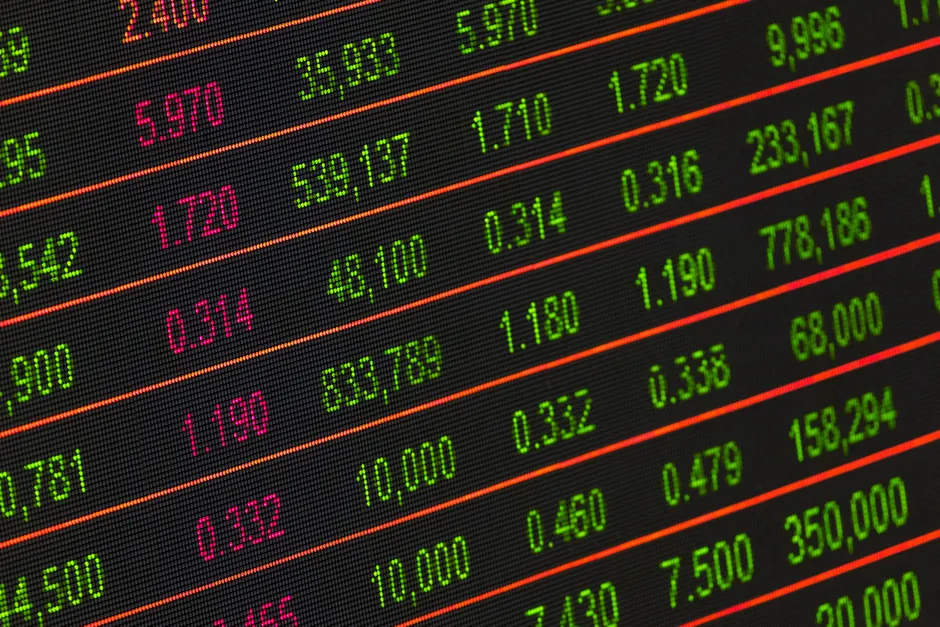
How This Affects Oil and Gold Prices
Here's why this matters to ordinary people. Iran has about 9% of the world's proven oil reserves. The Strait of Hormuz — a narrow waterway near Iran — is where roughly 20% of the world's oil passes through. Any threat to Iran's ability to sell oil, or to ships moving through that strait, sends oil prices up immediately.
When oil prices spike, it affects what you pay at the gas pump and how much heating costs in winter. Companies also pay more for fuel, which can lead to higher prices for goods on store shelves.
Gold also moved during this conflict, but for a different reason. Gold doesn't pay interest, so its value depends partly on what interest rates are doing. When there's conflict in the Middle East, people worry about oil prices rising. Higher oil prices can push inflation up, which might force the Federal Reserve to raise interest rates. Reuters reported in May 2026 — nearly a year after the ceasefire — that these concerns were still affecting gold and oil prices.
Let that sink in: the fighting stopped in June 2025. By May 2026, markets were still nervous about what might happen next.
The Problem With "Ceasefire" When Violations Start Immediately
A ceasefire is supposed to be a legal agreement that both sides stick to. But on the ground, it's more complicated. If both sides keep attacking after the ceasefire supposedly starts, does that mean the ceasefire is broken? Or will it hold eventually? Markets struggle with this question.
The Trump administration publicly said both Iran and Israel had violated the terms on the day the ceasefire took effect. That's not a confidence-building signal. It suggests the agreement was fragile from the start.
Why This Risk Premium Lasted So Long
We've seen this before. In 2019, attacks on Saudi Arabia's oil facilities knocked out about 5% of the world's oil supply for a few weeks. Oil prices jumped sharply, then came back down as production restarted. But even after prices fell, traders remained nervous. They kept a higher "insurance premium" on oil prices for months, in case something like that happened again.
The Iran-Israel conflict appears to have had the same effect. The fighting was over by late June 2025, but the nervous feeling in oil and gold markets persisted through May 2026. Markets were essentially saying: "Yes, the ceasefire held. But we think the risk of escalation is still real."
Why Qatar's Role Matters
Qatar helped broker this ceasefire alongside the U.S. Qatar is the world's largest exporter of liquefied natural gas (LNG) — a form of natural gas shipped by boat. Qatar depends on shipping routes through the Gulf staying open and safe. So Qatar has its own financial incentive to keep the peace — beyond just being a neutral mediator.
That kind of mediation can carry more weight because the mediator has something to lose if conflict breaks out again.
What This Means for Your Wallet
The broader point here: when a conflict officially ends, the financial markets don't automatically calm down overnight. A ceasefire on paper is not the same as a ceasefire in reality — and it's not the same as investors being confident it will hold.
If you have investments in stocks, bonds, or savings, geopolitical tensions in the Middle East can affect returns for months or even years after the shooting stops. That's because markets are constantly asking: What happens if this flares up again?
For people borrowing money or holding bonds, rising oil and gold prices can affect interest rates and inflation, which changes how much debt costs and what your savings earn. These connections aren't obvious, but they're real — and they run deep.
The key takeaway: the end of a military conflict and the end of financial markets' worry about that conflict are two different things. The gap between them can last longer than most people expect.