Apple's Smarter Siri: What You Need to Know About the New AI Features
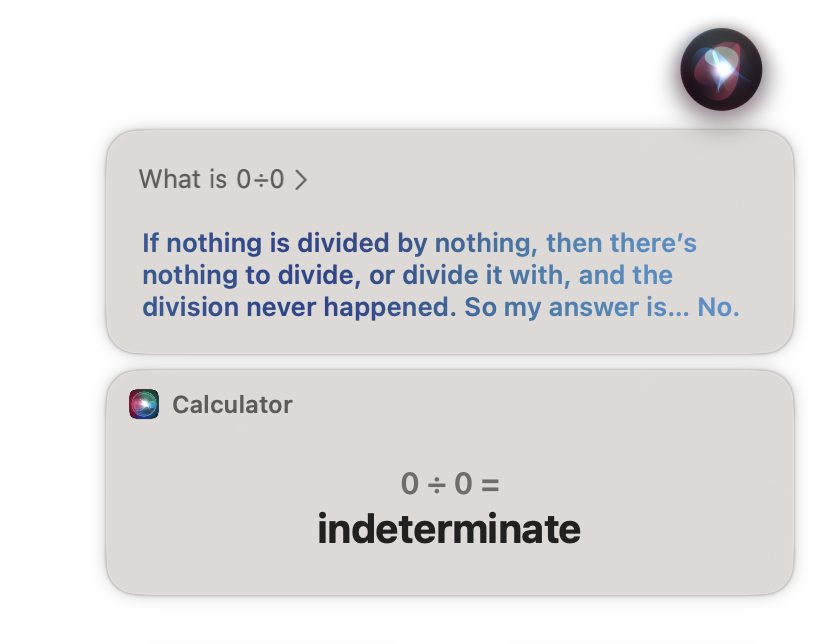
Apple announced an upgraded version of Siri and Apple Intelligence at its annual developer conference in 2026. These are artificial intelligence and machine learning features designed to make Siri more helpful and integrated across iPhones, iPads, and Macs. The company is focused on keeping your data private while adding more AI capabilities. (Apple Newsroom)
What Apple Announced
The main update is a rebuilt Siri powered by a new AI model that runs directly on your device. For harder tasks, Siri can send requests to Apple's servers through a system called Private Cloud Compute — but with a key difference: Apple designed it so that even Apple's own staff cannot see what you asked or what information Siri is working with.
Think of it like asking your phone a question in a locked room that Apple built but cannot open.
The new Siri can now understand more about your life. If you ask it to reply to a text message, it can check your calendar to suggest a good time to meet, or pull attachments from your files. Your apps have to give Siri permission to do this, and you control which apps can help — it does not happen silently in the background.
Apple also improved its earlier AI features, like writing tools and image generation. These now work faster and in more languages, especially in Europe and Asia.
For app makers, Apple opened new ways for their apps to work with Siri. If you ask Siri to do something complex, Siri can now chain multiple app actions together — for example, "Find restaurants near my 3 p.m. meeting and book a table." Siri checks with you before executing each step, rather than just doing it automatically.
How Apple Keeps Your Data Private
Apple uses two layers to protect your privacy. Smaller, lighter AI models run on your phone itself for quick, sensitive tasks. Heavier processing happens on Apple's servers, but the system is designed so that no human at Apple can unlock or read the data being processed — the servers are effectively locked boxes.
The AI models on your device are trained on Apple's own chips and frameworks. Apple says the new models are better at understanding what you need without using more battery power.
Apple invited independent security researchers to examine Private Cloud Compute and check whether the privacy protections actually work. So far, no major problems have been found. That said, trust in privacy systems is something that needs to be checked regularly — it is not a one-time approval and then done.
What This Means for App Developers
Developers who create apps for iPhone, iPad, and Mac now have new tools to let Siri control their apps. To do this safely, apps have to clearly list what Siri is allowed to do with them, and users get to approve each capability.
When Siri chains multiple actions from different apps, things can go wrong in unexpected ways. Apple updated its testing tools to help developers practice these multi-step requests, but real-world use will always throw up scenarios that practice environments miss. Developers who worked with earlier versions of Siri integration will recognize this challenge.
Apple tried something similar in 2016 when it first let third-party apps work with Siri. At the start, the options were limited and developers were cautious. It took several years before enough apps and users were on board to make it genuinely useful. The new AI features are more powerful and flexible, but the adoption will likely follow a similar path: big companies will jump in first, and smaller developers will wait to see whether users actually care about it.
How Apple Compares to Competitors
Apple's approach stands apart from Google, Microsoft, and other AI companies, most of which store and process your data in the cloud as their standard approach. Apple's method — running AI on your device and encrypting what goes to the cloud — is a real technical difference, not just marketing talk.
Whether Apple's AI will be quite as powerful or quick as what Google and Microsoft offer remains to be seen. Apple's strength lies in a different direction: protecting your data. For hospitals, law firms, and banks that have strict rules about keeping information secure, Apple's approach makes sense in ways that cloud-based AI often cannot.
If app makers embrace these new AI features widely, Siri would change from a single assistant to a coordinator that pulls together actions from all your apps. That would be a bigger shift than it might sound — it changes how developers think about their apps and how users find things they can do. This kind of change usually takes years to play out, and the real impact often surprises people until it becomes too obvious to miss.
iOS 26, iPadOS 26, and macOS Tahoe, expected later in 2026, will include these new Apple Intelligence features. Some regions and countries with stricter tech regulations may get them later.


