What It Means That NVIDIA's Leader Won the Biggest Engineering Award
What It Means That NVIDIA's Leader Won the Biggest Engineering Award
Jensen Huang, the founder and CEO of NVIDIA, has been named the 2026 recipient of the IEEE Medal of Honor. The IEEE — the Institute of Electrical and Electronics Engineers — gave him this award at its Excellence Honors Ceremony on April 27, 2026.
What the Award Is
The IEEE Medal of Honor is the most prestigious award given by the IEEE, a worldwide organization of over 400,000 engineers and technology professionals. The medal has been awarded since 1917 to people whose work has transformed electrical engineering and electronics — which today includes computing, communications, and the systems that run them.
Previous winners include names that shaped modern technology: Gordon Moore, Jack Kilby, and Claude Shannon. Huang now joins that list.
Who Jensen Huang Is and What He Built
In 1993, Huang co-founded NVIDIA with two partners. He has led the company ever since.
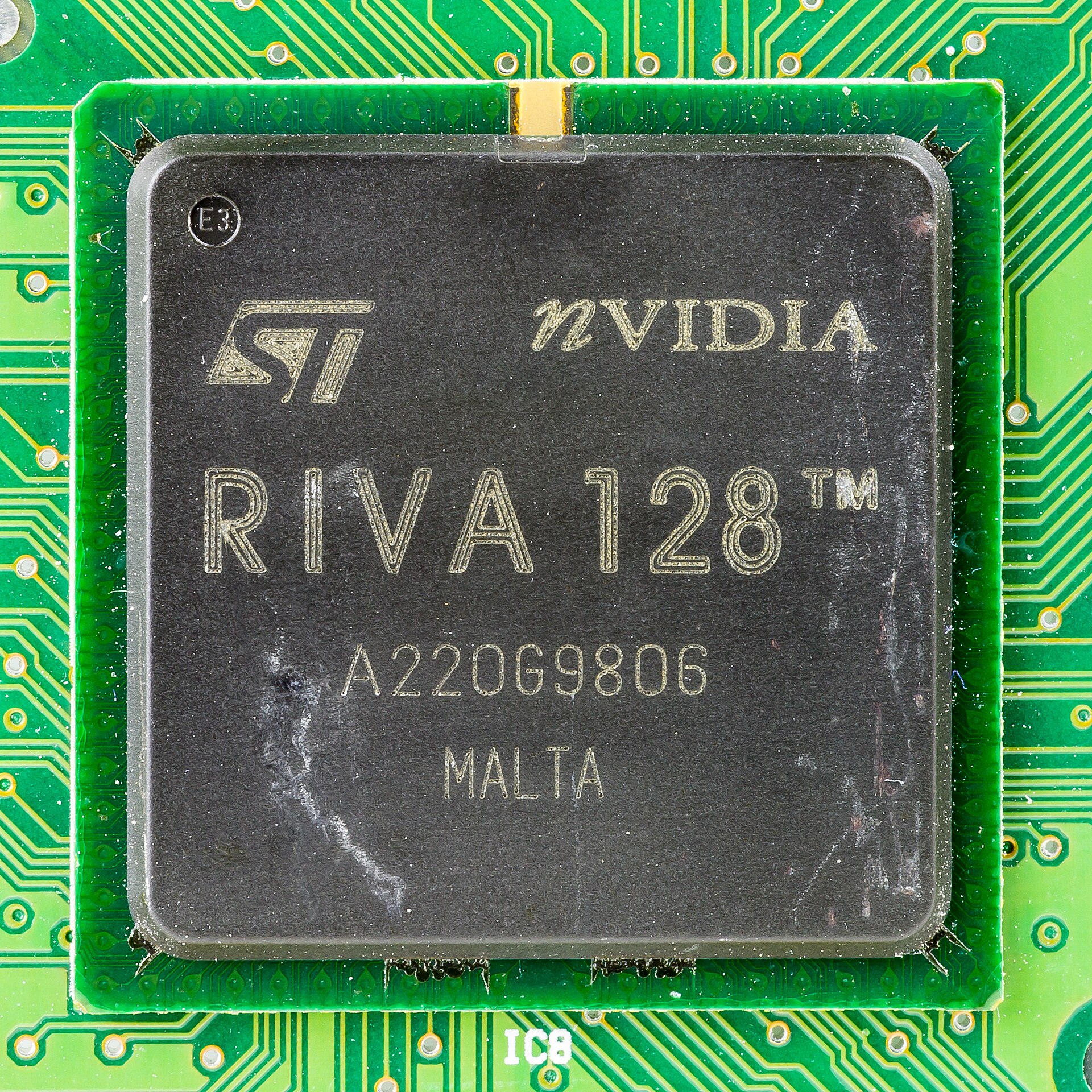
NVIDIA started by making graphics processing chips — specialized pieces of hardware designed to draw pictures on screens for video games and other applications. That was a competitive niche, but Huang took the company in a different direction. He made NVIDIA's chips do something more: process massive amounts of information in parallel, which means handling many calculations at the same time rather than one after another.
In 2006, NVIDIA created CUDA, a set of programming tools that made it easier for software engineers and researchers to write programs that could take advantage of this parallel processing power. Think of it as giving thousands of workers the same instruction at once, rather than giving one worker a long list of sequential tasks.
When artificial intelligence research took off in the early 2010s — particularly a technique called deep learning — researchers realized that NVIDIA's parallel processing approach was exactly what they needed. Training an AI system requires doing billions and billions of similar calculations, and NVIDIA's chips could do that work much faster than traditional computer processors. As a result, NVIDIA became the company that supplied the hardware for almost every major AI system built over the next decade and a half.
Why This Matters
Huang made a strategic bet: he understood that winning in computing does not just mean building faster chips. It also means building software tools that developers want to use, creating libraries of pre-built code, and making sure that large companies (hyperscalers) could integrate NVIDIA hardware into their entire computing systems. By doing all of that, NVIDIA became so central to AI infrastructure that switching to a competitor became difficult and expensive — even when competitors built comparable chips.
This kind of pattern — where an early architectural choice becomes so embedded in the industry that it is hard to dislodge — has happened before in computing. When Intel designed its x86 processor instruction set in the late 1970s, no one predicted it would dominate for decades. But the software written for it, the companies built around it, and the developer knowledge accumulated around it made switching impractical. NVIDIA's path in AI followed a similar logic.
The IEEE's award recognizes that Huang's vision — sustained over more than 30 years — of building not just a product but an entire ecosystem shaped the infrastructure on which modern AI systems run.
What Else Is Happening
NVIDIA's position at the center of AI computing has brought attention beyond engineering accolades. Governments in multiple countries have examined whether NVIDIA has too much power in the market. Some countries have also restricted exports of NVIDIA's most advanced chips for national security reasons. Supply constraints in AI hardware have generated concerns about concentration and risk.
None of these regulatory and policy questions changes the technical achievement that the IEEE is recognizing. But they are part of the full picture of a company and a leader operating where technology, global trade, and national policy intersect.
For engineers and technologists who work on AI systems, this medal formalizes something they have known for years: the choices Huang and NVIDIA made about how to design chips and software shaped the foundation on which today's AI was built.


