Why the government says it can't pause fast-tracked housing

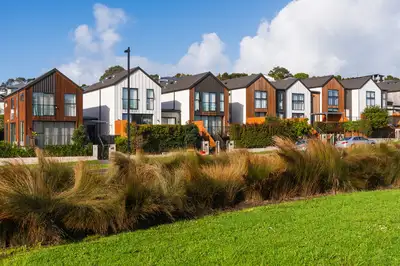
Housing Minister Chris Bishop says he has no legal power to pause fast-tracked housing developments, even though a growing group of mayors wants him to do exactly that.
Auckland mayor Wayne Brown and Queenstown mayor Glyn Lewers want an immediate stop to fast-tracked housing developments. They are worried about several issues, including one project that has been approved but does not have the water infrastructure to support it.
The mayors of Waimakariri and Selwyn, near Christchurch, have since backed the same call for a pause and review of fast-track developments in their areas (Waimakariri District Council, 15 August 2026).
Bishop's response, reported on 16 August, is that the government cannot legally do it. He said stopping the developments would require a change to the law, and he is not proposing one (RNZ, 16 August 2026).
Bishop also defended the fast-track system itself. He said it was designed to let developments go ahead even when they are out of sequence — meaning they jump ahead of the normal order councils use to plan new housing. On that basis, he said, the system is working as intended.
The problem, as the mayors see it, is about timing. Normally, councils plan new housing and the things that go with it — pipes, roads, water treatment — together. The fast-track system lets housing go ahead without those usual planning steps. That means houses can be approved before the pipes and roads needed to serve them are paid for or built. The Queenstown case, where a fast-tracked development lacks water infrastructure, is the clearest example the mayors point to.
Bishop's proposed fix is narrower than what the mayors want. He said the government would change the law to let councils go back and raise the fees developers pay to help cover infrastructure costs. These fees are called development contributions. The idea is that councils could charge developers more when their projects arrive ahead of the planned sequence.
But that is a money tool, not a stop button. It does not let councils halt a fast-tracked development. It only lets them adjust the charges after the fact. For mayors who want to pause developments entirely, that may not be enough.
The demand from four mayors across both the North and South Islands gives the issue political weight. Auckland and Queenstown are the two places under the most housing pressure in Aotearoa. Waimakariri and Selwyn are among the fastest-growing districts near Christchurch. The mayors involved come from both National-leaning and Labour-leaning councils.
The broader context here is a tension built into the fast-track system itself. The law was written to cut through planning delays that have held back house building. But it does that by skipping the very steps councils use to make sure infrastructure keeps up with growth. The mayors are not saying the fast-track pathway should not exist. They are saying it makes it hard for councils to fund and build the infrastructure those developments need. Bishop's position, that the system is working as designed, is technically correct, but it does not solve the funding and timing gap the mayors are describing.
The proposed law change is the government's concrete response, but it deals with who pays, not when things happen. Whether raising development contributions after the fact gives councils enough power to manage growth that arrives out of order is the question that a select committee — a group of MPs who scrutinise proposed laws — will need to answer.
With the 2026 election campaign underway, the pressure from mayors is unlikely to go away quickly. The clash between fast-tracked housing and local infrastructure planning is now a live political issue in several electorates, and the gap between what the government can do under the current law and what councils are asking for remains unresolved.