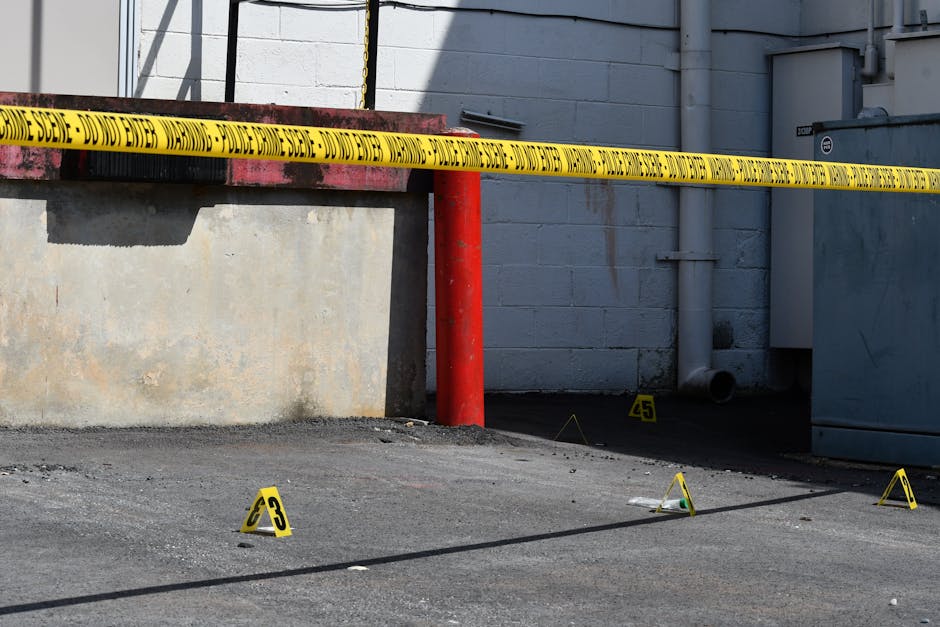
What We Know About the Serious Assault in North Belfast

What We Know About the Serious Assault in North Belfast
A man in his 30s has been arrested after a knife attack in north Belfast. According to a statement from the Police Service of Northern Ireland, the victim was taken to hospital with serious injuries. As of June 9, 2026, police have not released updates on the victim's condition.
Prime Minister Keir Starmer called the attack "horrific," according to BBC News. It's worth noting that policing in Northern Ireland is handled by local authorities, so this comment from the UK's top leader signals how closely the government is watching.
The Facts So Far
Here's what police have confirmed: a serious knife attack happened in north Belfast, someone was injured badly enough to need hospital care, and a male suspect was arrested on suspicion of attempted murder. That last charge means police believe there was intent to kill.
What we still don't know includes the exact location, when it happened, whether the victim and suspect knew each other, and whether the suspect has been formally charged. Being arrested on suspicion is different from being charged — it means police can hold someone for questioning, but there are strict time limits. Those limits can only be extended with approval from a magistrate (a type of judge).
The police statement is brief because it follows standard practice during an active investigation. Releasing too many details could harm the case later or affect a fair trial.
Why Location Matters Here
North Belfast is a particularly sensitive area. For decades, it has been divided along community lines — predominantly nationalist and unionist neighborhoods have lived separately, a legacy of the conflict known as the Troubles that ended with the 1998 Good Friday Agreement. While that agreement brought peace, it didn't erase those divisions at ground level.
This geographical context means any serious violent crime there gets extra attention from politicians, community leaders, and media. The Prime Minister's statement reflects an understanding of that sensitivity.
But here's what's important to add: knife crime in Belfast, like in many other UK and Irish cities, has been rising in recent years for reasons that have nothing to do with sectarian conflict. Police have not suggested this attack has any political dimension. It would be premature to read one into it based on location alone.
The Bigger Picture on Knife Crime
The UK has been dealing with a persistent knife crime problem. In the year to March 2025, England and Wales recorded over 50,000 knife crime offences — a staggering number, though it did drop slightly from the previous year. Northern Ireland is smaller and has its own patterns, but police there have confirmed that serious assaults involving blades have been trending upward over several years.
Debates about knife crime usually split into two camps: one pushes for tougher laws, longer sentences, and stricter controls on who can buy knives; the other points to poverty, lack of community services, and social breakdown as the root causes. In Northern Ireland, there's an added layer — the legacy of organized crime groups and paramilitaries that have historically used violence, which creates a unique policing challenge.
What history shows us is that when one serious violent incident happens in a politically sensitive place, the public conversation can race ahead of the facts. In 2018 and 2019, several assaults in north and west Belfast generated political statements within hours, before investigators had much to go on. The risk isn't that politicians pay attention — they should — but that the story can harden into assumptions before we actually know what happened.
What Happens Next
The police will now focus on the standard investigative steps: gathering forensic evidence, collecting witness statements, and reviewing CCTV footage. The victim's condition will matter for charging decisions — if their injuries worsen, the charge could become more serious; if they recover, prosecutors will decide what the appropriate charge should be.
A separate office called the Public Prosecution Service for Northern Ireland makes the final decision on charges. They apply two tests: Is there enough evidence? And is it in the public interest to prosecute? An attempted murder charge will get close review at senior levels.
Police updates will likely come slowly and carefully so as not to interfere with the investigation or a future trial. The PSNI statement did not mention a wide public appeal for witnesses, which might suggest investigators already have leads.
The bottom line: this is still early. What we know is that a serious knife attack happened, a man is in custody on a grave charge, and it has caught the attention of the highest levels of government. The full picture will become clearer as investigators do their work over the coming days.