Apple's Own Software Just Leaked Its Future Product Lineup

Apple's upcoming macOS Tahoe 26.7 software contains references to a wide range of unreleased products, covering every major category the company sells, MacRumors reported on August 17, 2026. The references, found by MacRumors writer Juli Clover, point to new iPhones, iPads, Macs, home devices, headphones, and a second-generation Vision Pro headset. Engadget confirmed the findings on August 18, 2026.
The iPhone references are the largest group. Codenames V62, V63, V64, V67, and V68 map respectively to the iPhone Air 2, iPhone 18 Pro, iPhone 18 Pro Max, iPhone 18, and a device labeled the iPhone Ultra, also referred to in the code as "The Folding One" (MacRumors). The folding device codename is the first internal reference to surface in macOS code pointing to a foldable iPhone.
On the home front, two Home Hub codenames appear: J490 and J491. A separate reference, B525, points to a new HomePod Mini. The software also contains a label called "J229Architecture," identified as a codename for a Home Accessory, suggesting Apple's smart-home hardware plans extend beyond the two hub devices. An ATVRemote1 reference implies a redesigned Apple TV remote and, by extension, a new Apple TV device (MacRumors).
The iPad references include J510, which maps to an upcoming iPad Mini rumored to feature an OLED display, a screen technology that produces deeper blacks and richer colors, and an A19 Pro chip. On the Mac side, the code references MacBook Pro models, including what is likely an M6 variant, alongside an iMac.
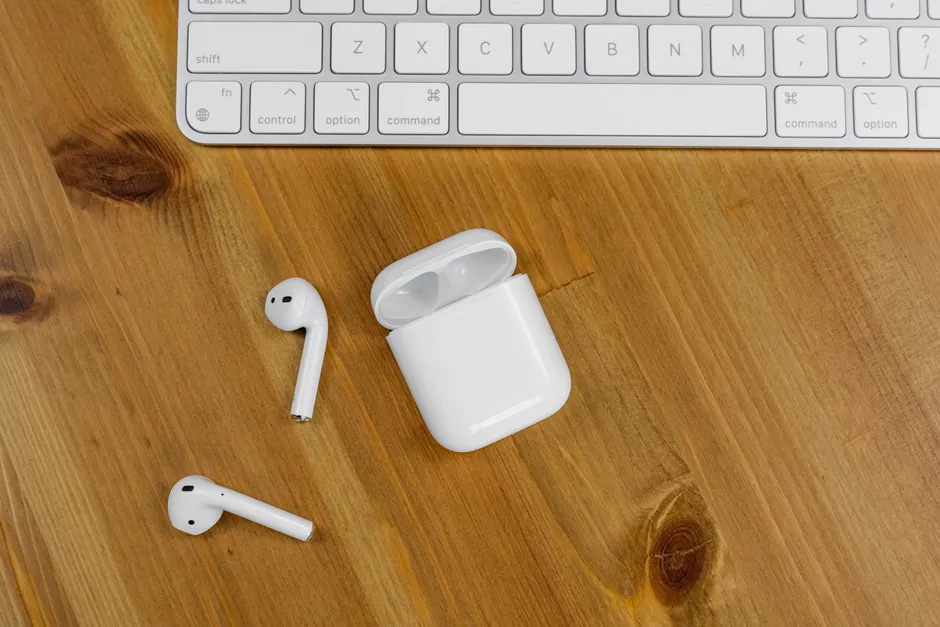
Wearable and audio devices are also represented. An N109 codename likely refers to a second-generation Apple Vision Pro. The code additionally points to two new Beats headphone models and AirPods Pro 4 earbuds, as well as camera-equipped AirPods (Engadget).
A release candidate is a nearly finished version of software that Apple shares with developers just before the public release. Think of it as the software equivalent of a final dress rehearsal before opening night. The fact that these codenames appear in such a build, rather than in early internal files, means Apple's own near-final software openly names devices the company has not yet announced.
Apple's ability to keep unannounced hardware secret has never been airtight. Internal codenames have leaked through iOS and macOS previews for over a decade. What sets this discovery apart is its scope. A single software update touching iPhone, iPad, Mac, home devices, audio accessories, and the Vision Pro platform all at once gives observers a nearly complete view of Apple's hardware plans across every category.
For developers and people who watch Apple's supply chain, these codenames serve as guideposts. The presence of an M6 MacBook Pro reference in the same software as iPhone 18 family codenames suggests Apple's chip and device release schedules are aligned around overlapping launch windows. The two Home Hub identifiers, J490 and J491, point to a tiered smart-home product strategy rather than a single device refresh. And "The Folding One" appearing in software close to a shipping state, however far from an actual launch date the product may be, marks a meaningful shift from supply-chain rumor to something Apple's own software acknowledges by name.
The camera-equipped AirPods reference deserves separate consideration. Wearable cameras sit at a sensitive intersection of hardware capability and privacy expectation. If Apple is building camera sensors into earbuds, the regulatory and social questions around always-on image capture will matter as much as the engineering itself. That the reference exists in platform code does not mean the product is imminent, but it does indicate the concept has moved beyond early prototyping into something the operating system needs to account for.
The practical takeaway for anyone who builds software or accessories for Apple's ecosystem is straightforward: the number of device types is growing, not shrinking. New home hub tiers, a folding iPhone, camera-equipped AirPods, and a Vision Pro successor all add form factors that require testing, accessibility consideration, and potentially new ways of interacting with devices.
There is a real risk of reading too much into codenames. Apple has, in past product cycles, shipped code references to products that were later delayed, repositioned, or quietly canceled. A codename in macOS is a signal of intent and engineering work, not a guarantee of release. The iPhone Ultra folding device in particular carries the highest uncertainty: foldable display technology at Apple's volume and quality bar remains an open engineering question. But the collective weight of these references, across this many product categories in a single software build, gives a clearer picture of Apple's hardware roadmap than any single leak in recent memory.