SpaceX Is Going Public: Here's What That Means for Your Money

SpaceX Is Going Public: Here's What That Means for Your Money
The Number That Matters
SpaceX is selling shares to the public for $135 each, according to Reuters (published 2026-06-02 GMT). The company aims to raise $7.5 billion from this sale — one of the biggest tech stock launches in recent years.
When a company goes public, it sells ownership stakes (shares) to everyday people and investment firms. SpaceX has never done this before. For nearly 25 years, it operated in private, funded by government contracts and wealthy investors.
Goldman Sachs, one of the world's largest investment banks, is leading the sale. According to CNBC, the bank filed the official paperwork (called an S-1) with U.S. regulators weeks before the $135 price was set.
What SpaceX Actually Does
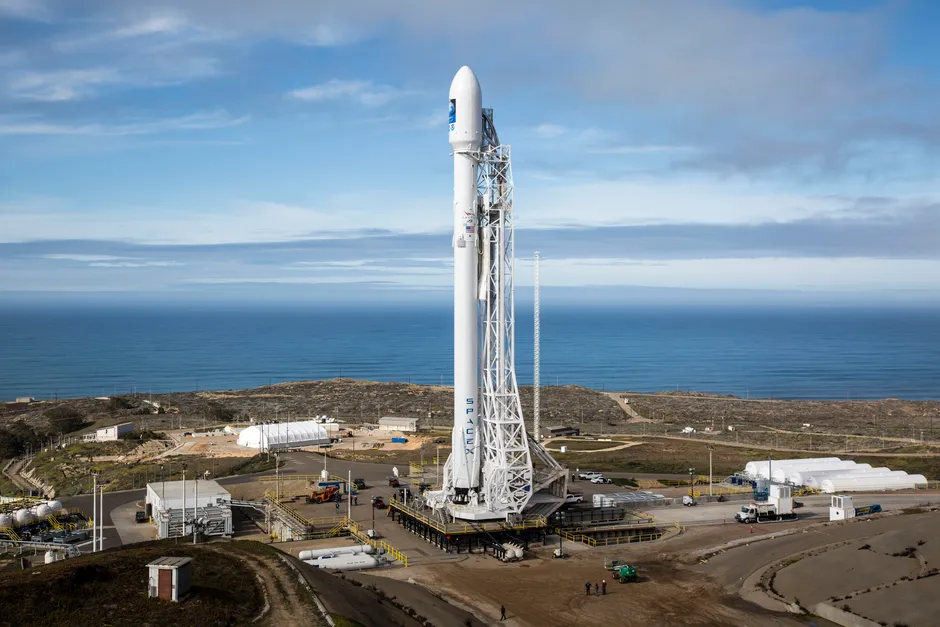
SpaceX does four things. It designs, manufactures, and launches rockets and spacecraft; operates satellites; provides internet service under the Starlink brand; and offers mobile phone connectivity via satellite.
That matters because SpaceX runs two very different businesses. One is SpaceX's rocket and spacecraft launch service — companies and governments pay for each flight, so revenue depends on how many launches it completes. The other is Starlink, a broadband subscription service. People pay monthly for internet, like with cable or fiber. The two businesses have different growth patterns and profit margins, making SpaceX harder to price than a company that does just one thing.
How Does Going Public Work?
When Goldman Sachs leads an IPO, it controls who gets to buy shares at the $135 price and in what amounts. The bank also has a responsibility to buy shares after trading starts if the price drops sharply, to prevent panic. That gives Goldman significant power over how the stock trades in the first few days.
Before anyone could buy shares, SpaceX had to file detailed financial documents with the SEC (the government agency that regulates stock markets). Those documents include audited financial statements, a list of risks, and the company's business plan. Institutional investors (pension funds, insurance companies, and investment firms managing other people's money) studied these filings carefully before deciding whether to buy.
At $135 per share, SpaceX is raising $7.5 billion by selling roughly 55.6 million shares. The company's total value, or market capitalization, will be determined by how many shares exist in total — something disclosed in the regulatory filings. That number will be the starting point for comparing SpaceX's price to other companies.
The Private-to-Public Shift
Companies like Amazon and others have done this before: they started with government contracts and a new consumer product, raised private money for years, then came public. SpaceX follows the same path.
This creates a wrinkle. Wealthy investors who bought SpaceX shares in private rounds (before the IPO) often paid prices close to or higher than $135. Once the stock is public and can be freely traded, they won't see much profit if the stock price stays flat. That might push them to sell once they're legally allowed to — usually several months after the IPO — which could put downward pressure on the price.
New buyers at $135 are essentially betting that Starlink's subscription business will grow fast enough to offset the capital costs of building and launching rockets. That's a real bet on the future.
SpaceX also mentioned a new capability: satellite-to-mobile service. Think of it as using satellites to send mobile phone signals directly to your phone when you're out of range of a cell tower. This could open up a whole new market for Starlink beyond just fixed home internet. Whether and how fast this works is genuinely hard to predict, which is why the $135 price will likely be tested hard once trading begins.
What Goldman's Role Tells Us
Goldman Sachs placing this deal signals that the bank sees mega-cap aerospace and tech companies as its territory. But practically speaking, the investor who matters more than public enthusiasm is Goldman itself. The bank's decisions about who gets shares — institutional investors or retail customers, and in what size — will shape how the stock trades in the first week far more than whether random people on the internet want to own it.
If retail investors (everyday people) rush to buy and institutional investors are cautious, the stock could swing wildly up or down before settling. If Goldman fills the order book mainly with long-term institutional holders, trading will likely be calmer.
What We Still Don't Know
As of early June, some important details haven't been publicly confirmed. The exact breakdown of how SpaceX plans to use the $7.5 billion — whether it's for Starlink expansion, building the Starship rocket, or just putting cash on the balance sheet — needs to be verified in the regulatory filing.
The real questions investors will focus on are three numbers: How many Starlink subscribers does SpaceX have? How much revenue does each subscriber generate per month (and how many are canceling)? And what is the current backlog of rocket launches SpaceX has booked?
Whether SpaceX disclosed these numbers in detail is something the S-1 filing itself will show. The market's reaction — whether the stock rises or falls sharply — will signal whether it gave public investors what they need.
The Takeaway
SpaceX is complex. It's not just a rocket company or just an internet company. It does both, plus an emerging satellite-to-mobile business. That complexity is precisely why the $135 price will be tested in actual trading. Figuring out what SpaceX is truly worth takes time, and the first days of trading will be noisy.