What Happened at the Gaza Café Strike and Why It Matters
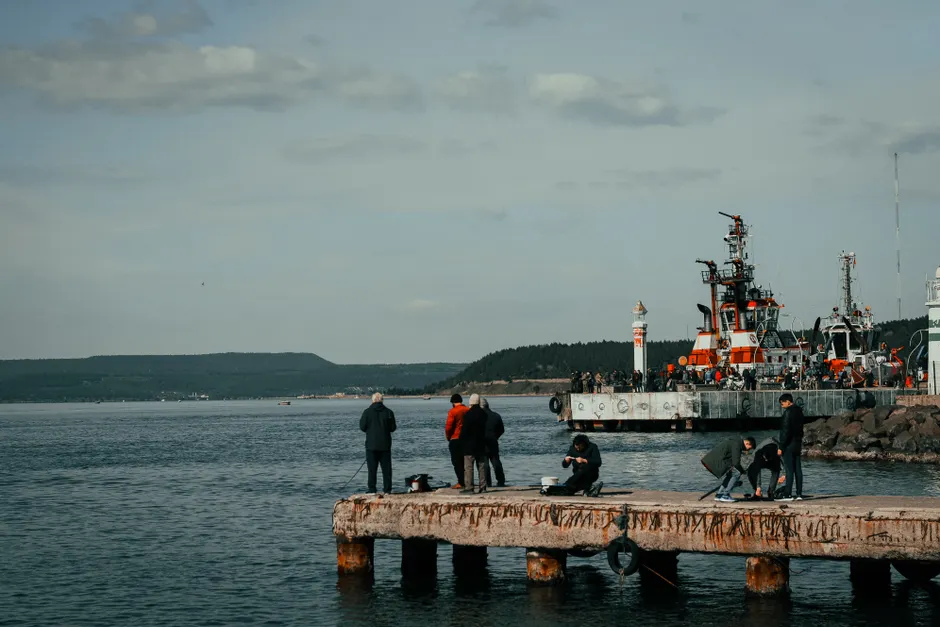
An Israeli drone (a remote-controlled military aircraft) fired two missiles at a small café inside a fishing harbour in western Gaza City on August 18, 2026. The café was crowded at the time. Six Palestinians were killed, including a child, and 14 others were wounded, according to eyewitnesses (Anadolu Agency) (Reuters).
The Israeli military said the strike in the Shati area of Gaza City, near the port, targeted a meeting of Hamas commanders. Hamas is the Palestinian militant group that controls Gaza. The military said these commanders belonged to the Nukhba force, an elite unit within Hamas, and were planning attacks against Israeli troops (Times of Israel). The military said the strike killed a Nukhba company commander, three platoon commanders, and several other operatives (Jerusalem Post). Israeli Army Radio, using an unnamed security source, separately said four Hamas commanders had gathered at the café when the strike happened (Anadolu Agency).
The strike came the day after Jared Kushner, a former U.S. official and advisor to President Trump, met with Israeli Prime Minister Benjamin Netanyahu for nearly four hours. Kushner had also held rare direct talks with Hamas. Both sets of talks ended without progress on the Trump Gaza plan, a U.S.-backed proposal for Gaza's future (Reuters). A ceasefire is a temporary agreement to stop fighting. After Kushner's direct talks with Hamas produced no agreement, Israel appears to be keeping up, or increasing, its military pressure on Hamas commanders in Gaza instead of waiting for new diplomatic efforts.
The broader context here is one of frequent Israeli military operations with a heavy toll on civilians. According to Reuters, at least 1,230 Palestinians, most of them civilians, have been killed in Israeli strikes since the Trump-backed Gaza peace plan was agreed in October 2025 (Reuters). The August 18 café strike follows a similar pattern: on May 31, 2026, another Israeli airstrike at a Gaza seaport café killed at least two Palestinians and wounded 12 during a public holiday (Reuters).
What this means in practice is that Israel continues to use intelligence to find and strike specific Hamas targets in crowded civilian areas. The difference between what Israel says it was targeting, a group of commanders, and the people who actually died, including a child, shows the ongoing tension between Israel's goal of fighting militants and the civilian deaths that result from operating in places where fighters and ordinary residents live side by side. It has not been independently confirmed that the commanders Israel says it killed were actually present. But the pattern suggests Israel will keep trying to disrupt Hamas's planning, whether or not ceasefire negotiations move forward.