Why the Gaza Ceasefire Hasn't Actually Stopped the Fighting
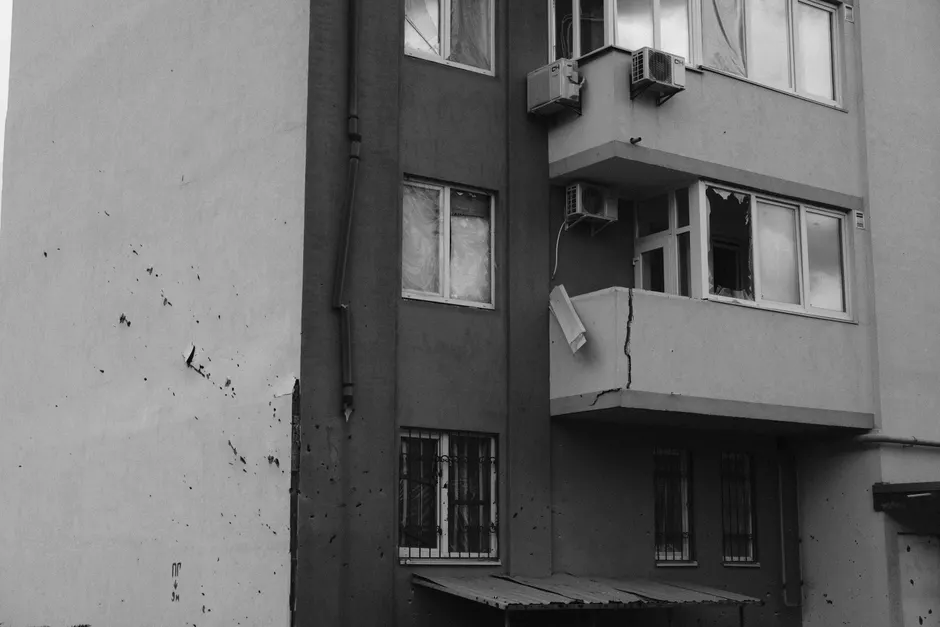
On June 27, 2026, Israeli drones struck tent camps in al-Mawasi, a coastal area in Gaza that was supposed to be safe for civilians. Two Palestinians died, and several others were wounded. This wasn't an isolated event. Since a ceasefire supposedly began in October 2025, Israeli attacks have killed at least 1,031 Palestinians and injured 3,309, according to Al Jazeera's tracking.
Two weeks earlier, on June 20, another strike killed at least nine people, including a child and a journalist working for Al Jazeera. On June 24, a 12-year-old boy named Ahmed was killed in a separate tent attack. Since the conflict began in October 2023, over 43,000 people in Gaza have suffered injuries serious enough to change their lives, according to health organizations cited by the UN.
The Children Caught in the Middle
Gaza's children face a particular crisis. Since the war started, hundreds of thousands of families have been forced to move from their homes and live in crowded camps along the coast—there's nowhere else to go. When strikes happen in these camps, children die in large numbers simply because they are concentrated there.
A recent Al Jazeera story from June 28 documents how children in Gaza are malnourished, traumatized by repeated attacks, and living in areas that were supposed to protect them. Ahmed and the girl killed on June 27 are not isolated cases. Medical workers and aid organizations describe a pattern in which children are systematically exposed to danger.
The Ceasefire Explained
A ceasefire is an agreement to stop fighting. But the October 2025 ceasefire between Israel and Hamas doesn't mean all fighting has stopped. Think of it like a cooling-off period rather than a permanent peace deal.
Israel says it still has the right to attack militant targets. Palestinians and international observers say those attacks kill civilians, which violates the spirit of a ceasefire. Since the agreement began, strikes have continued almost daily.
The International Committee of the Red Cross said the humanitarian situation in Gaza is "beyond catastrophic." People don't have enough food, clean water, medicines, or shelter. When airstrikes happen in these conditions, fewer people survive because hospitals are overwhelmed and don't have the supplies to treat the wounded.
Why the Ceasefire Isn't Working
For a ceasefire to work, both sides need to follow the rules and face consequences if they don't. The October 2025 agreement has no enforcement mechanism—nothing that forces either side to comply. Mediators from Qatar, Egypt, and the United States have tried to broker the deal, but neither Israel nor Hamas has fully agreed to binding restrictions.
Without real enforcement, a ceasefire is more of a statement than a genuine halt to violence. One side can claim it's allowed to keep fighting, the other side records the civilian deaths, and the strikes continue.
International law has rules about war—they say armies must distinguish between fighters and civilians, they must not cause unnecessary suffering, and they must be careful before attacking. Strikes on camps meant to be safe zones for civilians could violate these rules. The death of a journalist on June 20 has also drawn attention from press freedom organizations.
The big question now is whether the countries involved will push for a real, enforceable ceasefire or whether the current arrangement—with regular attacks and high civilian casualties—will continue.