The U.S. vs. the World's War Crimes Court: What's Going On

In August 2026, the U.S. government placed sanctions on the head of the International Criminal Court (ICC), Judge Tomoko Akane, along with a senior lawyer at the Court. Sanctions are penalties that freeze a person's access to money and can block them from entering the United States. The news was reported by Reuters on August 18 (Reuters). Japan's government called the move "very unfortunate" the next day, which was unusual because Japan is a close U.S. ally (Reuters).
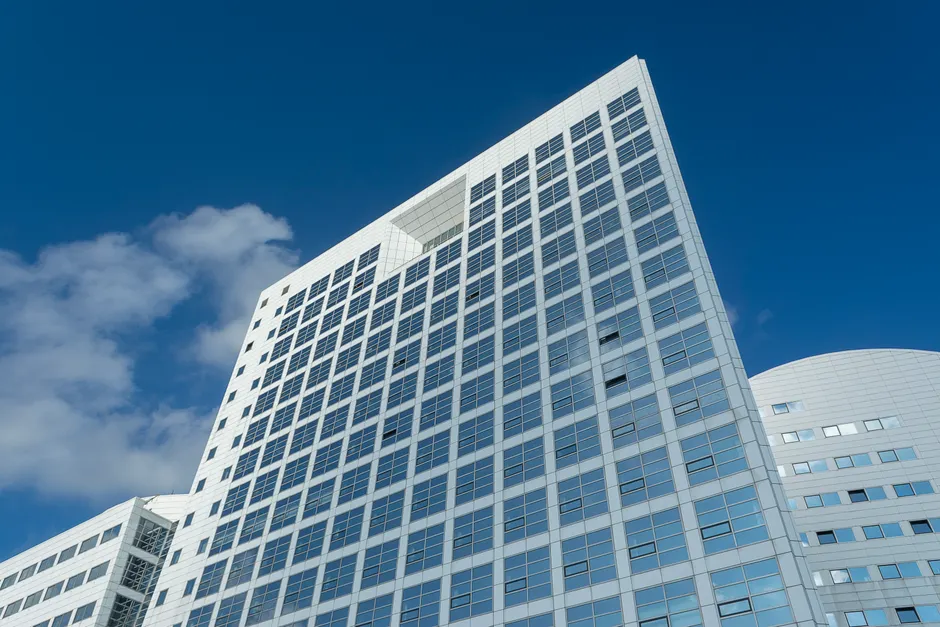
The ICC is a court in The Hague, Netherlands, that tries people for the most serious international crimes, like war crimes and genocide. The U.S. has been building pressure against the Court since February 2025, when President Trump signed an executive order — a official command from the president — titled "Imposing Sanctions on the International Criminal Court." It allowed the U.S. to punish prosecutors, judges, and anyone else working with the Court (White House).
That order brought back an older set of rules from 2020 called Executive Order 13928, which had originally set up the criteria for who could be sanctioned and who could be blocked from entering the U.S. Those rules had been lifted in 2021, so the 2025 order essentially turned them back on (White House).
The U.S. State Department moved fast. In June 2025, it sanctioned four people who were serving as ICC judges, saying the Court had taken "illegitimate actions targeting the United States and Israel" (State Department). The argument: neither the U.S. nor Israel ever signed the Rome Statute, the treaty that created the ICC. So the U.S. says the Court has no right to go after Americans or Israelis. In August 2025, the State Department sanctioned two more ICC officials, Deputy Prosecutors Shameem Khan and Niang, again citing actions against Americans and Israelis (State Department).
In December 2025, the State Department went further, sanctioning ICC judges who were directly involved in investigating, arresting, or prosecuting Israeli citizens without Israel's permission (State Department). The department keeps a dedicated page listing these judges, dated September 4, 2025 (State Department).
The U.S. has also tried to isolate the Court as a whole. In July 2026, the Trump administration launched an effort to push the ICC away from the international community, looking at options like travel bans and visa restrictions (Reuters). Later that month, Trump said the campaign to take apart the ICC was meant to defend Israeli Prime Minister Benjamin Netanyahu (Reuters).
People are fighting back in court. Three ICC judges sued the Trump administration in June 2026, saying the sanctions were illegal (Reuters). U.S. human rights groups filed their own lawsuit in August 2026 (Reuters).
The broader context here is a clash between two ideas. The U.S. says that if a country never joined the ICC treaty, the Court has no power over its citizens. The ICC says it can investigate the worst crimes no matter where they happen. Think of it like a neighborhood watch that tries to patrol a house whose owner never agreed to join the association. The owner says they have no authority; the association says the crime is too serious to ignore. Japan's criticism matters because it shows the U.S. campaign is creating tension even with countries that aren't ICC members. The lawsuits raise a basic legal question: does the president have the power to punish officials of an international court?
For the Court's day-to-day work, the sanctions hit hard. Sanctioning the ICC's president and a senior lawyer means they can lose access to bank accounts and can't travel to the United States. That's not just talk — it hits real people doing real work for the Court. Whether the lawsuits will stop the president from using sanctions this way, and whether Japan or other allies will do more than just complain, are the two threads worth watching as this continues.