The Top War Crimes Judge Is Asking Japan for Help Against US Pressure
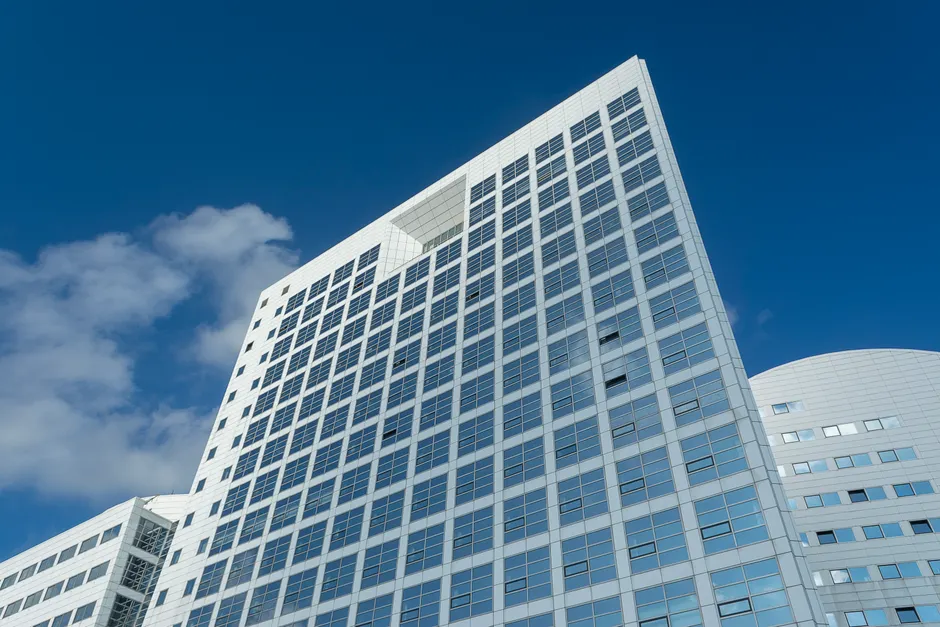
The head of the world's main war crimes court has asked Japan to help stop a US campaign that is pushing countries to leave the court. Tomoko Akane, the president of the International Criminal Court (ICC), spoke by video to reporters in Tokyo on August 26, 2026. Just days earlier, the US government had placed sanctions on her personally. Akane pointed out that Japan gives more money to the court than any other country and asked Tokyo to support nearby ICC members so they do not quit under American pressure (Al Jazeera).
One week before Akane's appeal, US Secretary of State Marco Rubio announced sanctions against her and a senior ICC lawyer named Abdoulaye Seye. Sanctions are penalties one country uses to punish people or organizations it wants to pressure. In this case, the sanctions freeze any money or property the two might have in the United States and ban them and their families from visiting the country (Reuters). The move was quickly condemned. The ICC issued a statement on August 19 strongly rejecting the sanctions (ICC). The group of countries that oversee the court expressed deep regret (ICC). UN Secretary-General Antonio Guterres said he was seriously concerned (Reuters). Human Rights Watch said the sanctions were an insult to victims around the world (HRW).
Akane also asked Japan to use its close friendship with the United States to discourage Washington from going further against the court. Japan had already tried to talk the US out of imposing the sanctions before they were announced, according to reporting from August 20 (New York Times). That effort failed. Japanese Prime Minister Sanae Takaichi called the sanctions "very unfortunate," but she was criticized by opposition parties, human rights groups, and even some members of her own party for not defending the court more strongly (Al Jazeera).
The United States is not a member of the ICC. Washington has said it will step up efforts to get countries to leave the court, and at least five have already done so. The campaign is driven by two things that angered the US: the ICC's decision to seek an arrest warrant for Israeli Prime Minister Benjamin Netanyahu, and an earlier investigation into US military actions in Afghanistan (Al Jazeera).
The ICC was created in 2002 by a treaty called the Rome Statute to prosecute people for war crimes, genocide, and crimes against humanity. Japan joined in 2007 and has since become the court's largest financial contributor. The US sanctions on ICC officials are not entirely new. The Trump administration first moved to impose them in early 2025 and added more in June 2025 (Reuters; ICC). The August 2026 sanctions are the first to target the court's sitting president.
Akane's decision to speak directly to Japan, rather than to all of the court's member countries at once, is notable. Japan is in a rare position: it is the ICC's biggest funder, a member in good standing, and a close ally of the United States with enough diplomatic clout to raise sensitive issues with Washington. The fact that Japan's attempt to dissuade the White House before the sanctions were imposed did not work suggests that Tokyo's influence, while real, has limits. Inside Japan, the criticism of Takaichi's restrained response shows the sanctions have become a domestic political issue, with growing pressure for a firmer stance that could make managing the US-Japan alliance more complicated.
The five countries that have already left the court are a small number compared to the ICC's 125 members. But the trend matters. If more countries follow, the court could lose the financial and political support it needs to function. Akane's emphasis on Japan as the biggest funder puts the responsibility on Tokyo to lead a response, whether through diplomacy with neighboring countries, direct talks with Washington, or working through the ICC's member-state assembly. Whether Takaichi's government moves from expressing regret to actively pushing back will be a key signal of how far the US campaign can go without a serious challenge.
There is also a deeper question here about the court's independence. By freezing the assets and blocking the travel of the court's president and a senior lawyer, the US is imposing personal costs on the people who make key decisions about the court's cases. Akane has said that US sanctions will not change how the court handles its cases, a position she held as recently as December 2025 (Reuters). Maintaining that stance while the US actively works to shrink the court's membership will test the ICC's ability to operate independently in ways that go well beyond any single case.
What Is the ICC?
The International Criminal Court is the world's only permanent court for trying individuals accused of the most serious crimes: war crimes, genocide, and crimes against humanity. It sits in The Hague, in the Netherlands, and was created by an international agreement called the Rome Statute, which took effect in 2002. Countries that join agree to cooperate with the court's investigations. The United States, China, and Russia have not joined. Member countries fund the court through contributions based on the size of their economies, which is how Japan became the largest contributor.


